





01 July 2026
Introduction
A cancer diagnosis compresses time in a way that few other medical situations do. Oncologists, understandably, want to begin treatment quickly delays matter in most cancers. But speed and correctness are not the same thing, and the treatment plan proposed at a patient's first consultation is not always the one that reflects the full picture of available evidence, specialist expertise, or the patient's own treatment goals. A cancer opinion is not a challenge to the diagnosing oncologist's competence; it is a normal, expected, and evidence-supported part of cancer care. Studies consistently show that second opinions in oncology change the diagnosis or treatment recommendation in 10–20% of cases, a proportion large enough that it should be standard rather than exceptional. This guide explains when seeking guidance for chemotherapy or other cancer treatment is most important, how to do it effectively, and what questions to bring to an oncology consultation in India.
Overview: What a Second Opinion Actually Involves
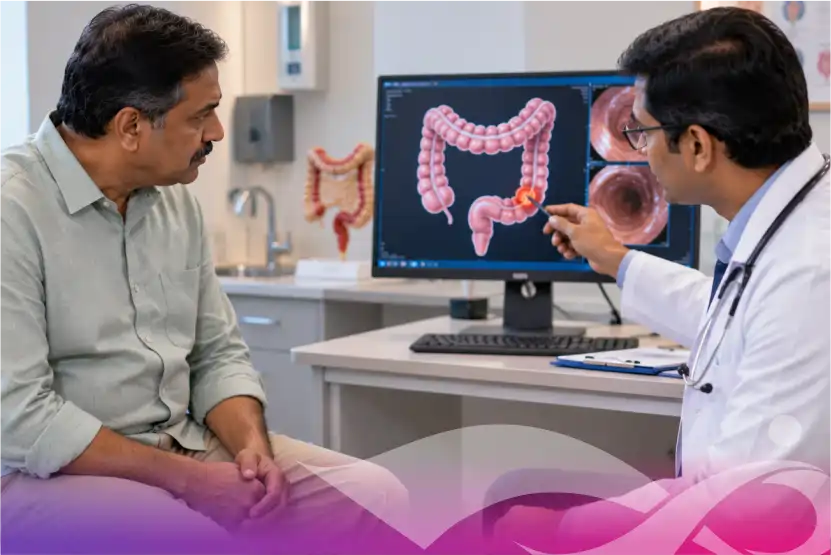
A second opinion in oncology is a structured review of the existing diagnostic material, pathology slides, molecular profiling reports, imaging studies, and the proposed treatment plan by an independent specialist. It is not a repeat of all investigations; it is a re-reading and re-interpretation of what already exists, potentially supplemented by additional testing if gaps are identified. The output is either confirmation of the original plan (which itself has clinical value it removes uncertainty and allows a patient to proceed with confidence) or a different recommendation that the patient can then evaluate against the original. Leading cancer centres explicitly encourage second opinions and will often review outside material at no cost or at a reduced cost, because they understand that confident patients who understand their treatment make better partners in the process.
When a Second Opinion Is Most Important
After a new or unexpected diagnosis
Pathology is not infallible. Tissue diagnoses involve subjective interpretation, and in rare or complex tumour types the inter-observer variability between pathologists, even experienced ones, is measurable. Misclassification of cancer subtype changes treatment. A HER2-positive breast cancer managed as HER2-negative misses the most effective targeted therapy available. An EGFR-mutated lung adenocarcinoma treated with standard chemotherapy instead of osimertinib is treated with an inferior regimen. Before starting any systemic treatment, it is worth taking the time to confirm the diagnosis and subtype classification, including molecular profiling, with a specialist centre.
Before starting chemotherapy
Seeking a consultation for chemotherapy is particularly valuable because chemotherapy decisions involve a genuine clinical trade-off: the regimen chosen, its duration, and whether chemotherapy is required at all (versus targeted therapy, immunotherapy, or observation) are consequential choices. In early-stage breast cancer, for example, genomic assays such as Oncotype DX can reclassify a patient's chemotherapy benefit from "high" to "low," sparing treatment without loss of survival outcome. Patients who have been advised chemotherapy without discussion of molecular testing should ask specifically whether additional profiling would change the recommendation.
When surgery has been recommended
Surgical oncology is subspecialised, and the approach to the same tumour can differ substantially between surgeons with different training and volume experience. Rectal cancer surgery, liver resection for metastatic colorectal cancer, and radical prostatectomy are all procedures in which surgeon and centre volume are directly correlated with complication rates and oncological outcomes. Before any major cancer surgery, confirming both that surgery is the right primary treatment and that the proposed approach reflects current evidence is a reasonable and advisable step.
For rare or uncommon cancer types
A very small number of genuinely expert centres globally manage rare cancers, sarcomas, neuroendocrine tumours, primary peritoneal cancer, and appendiceal cancer. A general oncologist seeing these tumours infrequently cannot be expected to be current on the nuances of their management in the way that a specialist centre handling 50–100 cases per year can. For these diagnoses, a second opinion at a specialist programme is not an optional best practice it is the clinical standard, and the evidence base for the recommended management is most reliably interpreted by someone who uses it regularly.
When treatment is not working
Disease progression on active treatment is the situation where the widest range of options needs to be considered alternative systemic regimens, clinical trial eligibility, molecular profiling to identify targetable alterations missed at initial workup, and palliative options that prioritise quality of life. A treating oncologist who has managed a case from the beginning has useful longitudinal context; an independent specialist reviewing the case at progression has the advantage of a fresh perspective without prior treatment commitments. Both are valuable, which is why multidisciplinary tumour board review and external second opinions, where those are not sufficient, are the appropriate standard at disease progression.
What a Second Opinion Can Reveal
The changes that second opinions produce fall into a predictable set of categories. Pathology reclassification, a different tumour subtype, a different grade, or identification of a molecular marker that changes treatment eligibility is the most clinically significant. Treatment approach changes, a different sequencing of modalities, a recommendation for neoadjuvant rather than adjuvant treatment, or a recommendation for a clinical trial are the next most common. Staging revisions based on rereading imaging studies occur in a smaller but meaningful proportion of cases. In each category, the change identified is one that the original treating oncologist did not make, which is not a failure of the original consultation but a reflection of the fact that specialist expertise is not uniformly distributed and complex cases benefit from multiple expert perspectives.
How to Obtain a Second Opinion Effectively
The practical steps are straightforward: assemble all existing records, pathology reports with actual slides (not just the written report), imaging discs, blood work, prior treatment history, and the proposed treatment plan and schedule a consultation with a specialist whose subspeciality matches your tumour type. An oncology consultation in India at a tertiary cancer centre or a tumour-specific specialist programme will typically involve a review of all submitted material and a discussion of the conclusions. The consultation should produce a written opinion that can be compared directly to the original recommendation. The process rarely delays treatment by more than one to two weeks, a period that is clinically safe for most solid tumours at any stage.
Why Specialist Centre Selection Matters
Second opinion quality depends entirely on the expertise of the specialist providing it. A second opinion from a generalist oncologist reviewing a rare sarcoma has limited incremental value over the first opinion; a second opinion from a dedicated sarcoma programme at a high-volume centre has substantial value. When seeking a second opinion, the goal is to access specialist expertise, which means researching the specific programme's volume and published outcomes for your tumour type, not simply going to a larger or more well-known hospital. The best cancer doctor in Delhi for your specific situation is the one with the most relevant subspeciality expertise and the highest volume of comparable cases, which may not be the most prominently marketed facility.
Expert Tips for Making the Most of a Second Opinion
-
Request physical pathology slides, not just the written report — second opinion pathologists need to review the actual tissue; a report alone is insufficient for a genuine re-read, and most patients do not know to request such an exam.
-
Ask specifically whether molecular profiling has been done and whether it is complete — incomplete profiling at the first consultation is among the most common reasons a second opinion changes the treatment recommendation.
-
Prepare specific questions, not just open-ended ones — "Do you agree with the treatment plan?" is less productive than "Is immunotherapy appropriate before or instead of chemotherapy for my specific tumour profile?"
-
Do not delay the second opinion out of concern about offending your doctor — second opinions in oncology are explicitly encouraged by most professional societies and are expected by experienced oncologists; the concern is almost always on the patient's side, not the doctor's.
-
Ask about clinical trial eligibility at the second opinion consultation — specialist centres with active trial programmes may offer access to treatments not available at the primary treating institution.
-
Time the second opinion before treatment begins where possible — a cancer second opinion obtained after chemotherapy has started is still valuable, but it has a more limited ability to change the treatment pathway than one obtained before any systemic treatment.
-
Seek one from a specialist whose subspeciality matches your tumour type — the oncologist who provides the most valuable second opinion is not necessarily the most senior one at the largest centre; it is the one who sees the most cases of your specific cancer type.
Conclusion
A cancer second consult significantly alters diagnoses and treatment plans in many cases, and in those instances, it is not a minor administrative step it is the clinical event that determines which treatment a patient receives. Seeking a second opinion for chemotherapy, surgery, or any major treatment decision is not distrust; it is due diligence. The best outcome confirmation of the original plan with full confidence, or identification of a better-matched alternative is worth the one to two weeks it typically takes. For specialist oncology consultation and access to the best cancer doctor in Delhi for your tumour type, arrange a consultation with the appropriate subspeciality expertise before any irreversible treatment decision is made. In oncology, seeking a second opinion is not a step back it is a step toward the best possible care.