




31 July 2026
Introduction
For most families facing a cancer diagnosis, cost is one of the very first questions they ask, often even before they fully understand the treatment options. It is a completely fair question and one that deserves a clear, honest answer rather than vague reassurance. Cancer treatment cost in India varies considerably depending on the type of cancer, stage, treatment approach, and hospital, but understanding the general structure helps families plan realistically rather than facing each bill as a surprise.
Overview
Cancer treatment typically combines one or more of three main approaches: surgery, chemotherapy, and increasingly, immunotherapy or targeted therapy. Each has a very different cost structure, and the total treatment cost depends heavily on which combination your specific cancer requires, along with the stage at diagnosis. India remains significantly more affordable than many other countries for comparable quality of cancer care, which is part of why it has become a destination for international patients seeking treatment.
Cost Breakdown by Treatment Type
Surgery costs swing widely. A straightforward tumour removal costs far less than a complex procedure involving reconstruction. How long you stay in hospital, the surgical approach used, and whether reconstructive work is part of the plan all factor into the final number.
Chemotherapy costs in India depend on the drugs used, the number of cycles needed, and whether treatment is outpatient or requires admission. India has a strong generic and biosimilar drug industry, and that has genuinely brought chemotherapy costs down without compromising on quality.
Immunotherapy and targeted therapy sit at the top of the cost range, generally speaking, though prices have been coming down as more drugs hit the market and competition increases. What you pay depends heavily on the specific drug, how long treatment runs, and whether it is used alone or stacked with other therapies.
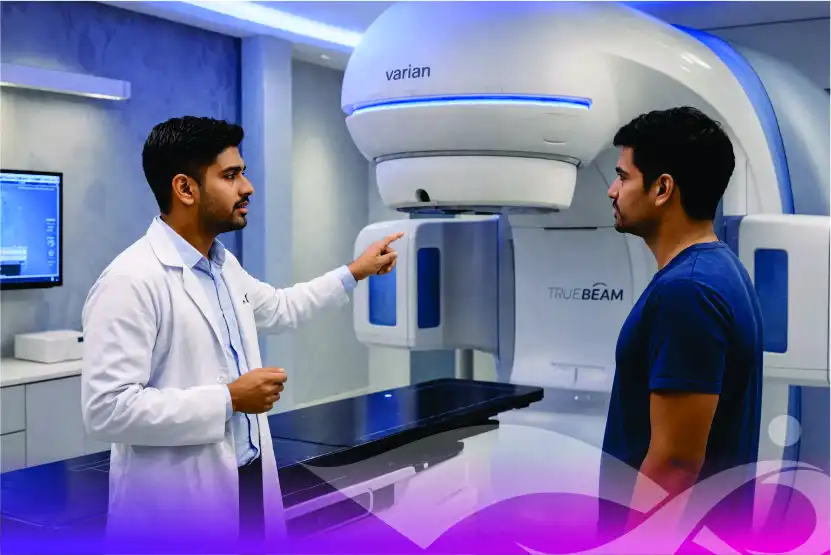
Radiation therapy costs scale with the number of sessions and the specific technology involved, more precise, newer techniques typically cost more than standard approaches.
And do not forget supportive care. Diagnostic tests, medications to manage side effects, and any hospital stay required, these all add up on top of the core treatment and catch a lot of families off guard if nobody mentions them upfront.
Why India Offers Affordable Cancer Treatment
Affordable cancer treatment in India stems from several genuine structural factors: lower hospital operating and staffing costs compared to many Western countries, strong domestic generic drug manufacturing capacity, and increasing competition among quality hospitals that has helped keep costs more reasonable. None of this comes at the expense of treatment quality at properly accredited centres, many Indian oncology hospitals meet international treatment standards and protocols.
How to Plan and Manage Treatment Costs
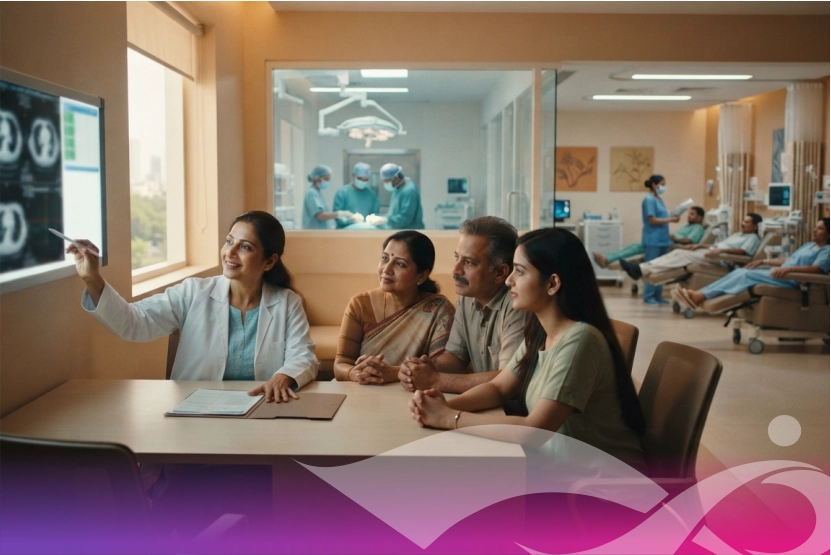
Choosing the best cancer hospital in India for your specific situation involves more than just comparing sticker prices. Look at what is included in the quoted estimates, whether the hospital has transparent, itemised billing, and what financial assistance or payment plan options are available. Many reputable cancer centres have dedicated financial counsellors specifically to help families understand and plan for the realistic total cost of a treatment journey.
Tips and Expert Advice
-
Request a detailed, written cost estimate covering the full expected treatment course, not just the very next step
-
Ask specifically about what is and is not included in any quoted package price
-
Check whether your health insurance covers the specific treatment, hospital, and drugs being recommended
-
Ask about generic or biosimilar drug options where clinically appropriate, which can meaningfully reduce overall cost
-
Speak to the hospital's financial counselling team early in the process, not after costs have already started accumulating
-
Get a second opinion on the proposed treatment plan if the overall cost feels unclear or significantly higher than expected elsewhere
Frequently Asked Questions
Q: Why is cancer treatment generally cheaper in India compared to Western countries? Lower operating and staffing costs, strong domestic generic drug manufacturing, and growing competition among quality hospitals all contribute to this, without compromising treatment standards at accredited centres.
Q: Does cancer treatment cost in India vary significantly between cities? Yes, to some extent, based on hospital infrastructure and local costs, though major cancer centres across cities generally offer comparable treatment quality.
Q: Are payment plans or financial assistance available for cancer treatment? Many reputable hospitals offer payment plans and have financial counselling teams to help families plan and, where available, connect with assistance programmes.
Q: Does choosing generic drugs over branded ones affect treatment quality? No, when used appropriately and approved by regulatory authorities, generic and biosimilar drugs are clinically equivalent and significantly reduce cost.
Q: How can I get an accurate cost estimate before starting treatment? Request a detailed written estimate from the hospital covering the full expected treatment course, and clarify exactly what is and is not included before proceeding.
Conclusion
Understanding cancer treatment costs in India in advance helps families plan realistically and avoid financial shocks partway through treatment. Surgery, chemotherapy, and immunotherapy each carry distinct cost structures, and the right combination depends entirely on the individual diagnosis. India's combination of strong clinical standards and genuinely more accessible pricing has made quality cancer care reachable for a much wider range of patients. A transparent conversation with your chosen hospital about the full expected cost, right from the first visit, is the best way to move forward with clarity rather than uncertainty.
Get a clear picture of your treatment costs. Speak with IOCI India's financial counselling team today to receive a transparent, personalised cost estimate.