



11 August 2026
Most people don't think about cancer until something feels off a lump, unexplained fatigue, a cough that won't quit. But by the time symptoms are obvious, the disease has often already progressed. That's the key question: why is early cancer detection important? Because the earlier it's caught, the more options a patient actually has.
What Early Detection Really Means
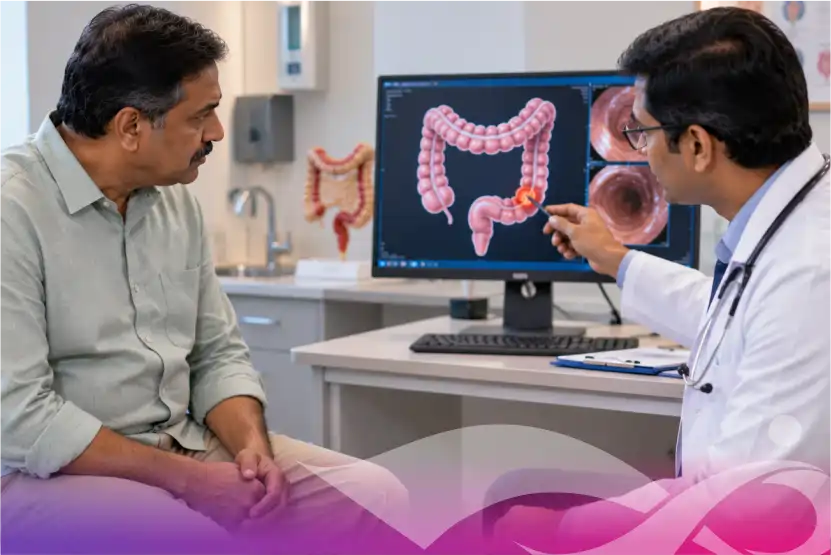
Early detection isn't one single test. It's a mix of paying attention to cancer symptoms, going for age-appropriate cancer screening, and not brushing off things that linger longer than they should. A mammogram, a colonoscopy, and a routine blood test are the quiet workhorses that catch disease before it announces itself.
Survival rates are the most telling measure. Many cancers, when caught at stage one, have five-year survival rates well above 80–90 per cent. Catch the same cancer at stage four, and those numbers can drop sharply. The biology doesn't change; the timing does. This is why screening guidelines exist even for people who feel completely healthy, since the whole point of a screening test is to look before symptoms become a problem.
Why Symptoms Get Missed
Fatigue gets blamed on work stress. A persistent cough gets written off as allergies. A lump is watched "for a few more weeks." None of these actions are carelessness. It's just human nature to hope things weeks". on their own.
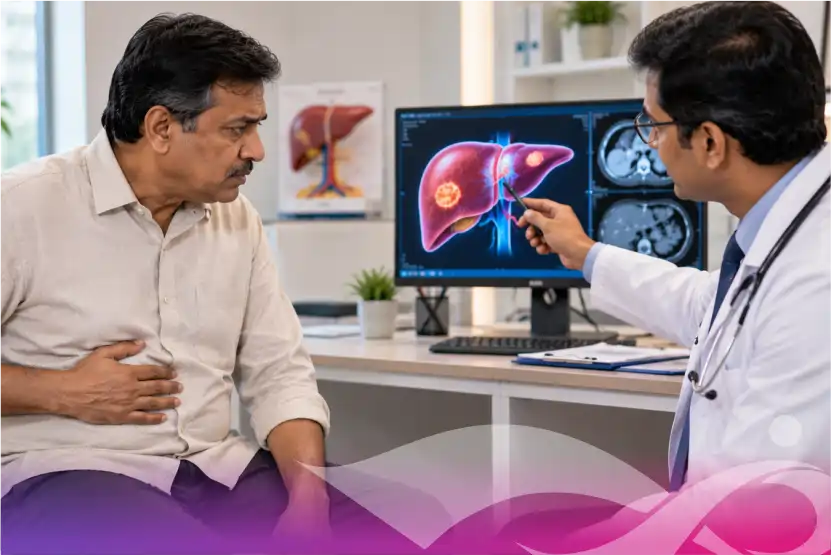
The trouble is, some cancers are quiet by design. Ovarian cancer, pancreatic cancer, early-stage lymphomas — these often don't cause dramatic symptoms until they've already progressed. That's precisely why routine screening matters even when a person feels perfectly fine.
How Diagnosis Actually Works
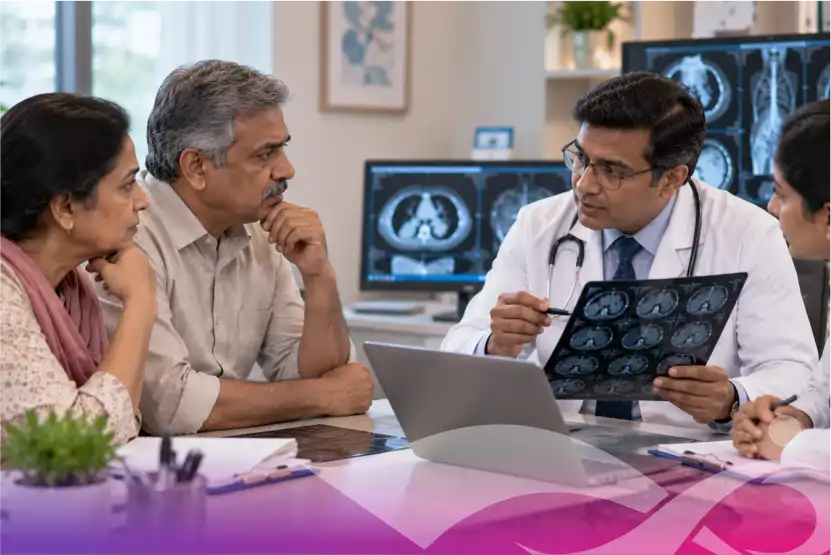
At IOCI, the process usually starts with a detailed history and physical exam, followed by targeted imaging like ultrasound, CT or MRI depending on what's suspected. If something looks concerning, a biopsy confirms it at the cellular level that's the only way to know for certain.
Once a diagnosis is confirmed, the case typically goes in front of a multidisciplinary tumor board, where surgeons, medical oncologists, radiation oncologists and pathologists look at the same scans together and agree on a plan, rather than one doctor deciding alone.
Understanding Cancer Staging
Staging is simply a way of describing how far a cancer has progressed, and it shapes almost every decision that follows, from which treatment to use to what outcome to expect.
Localised vs Advanced Stage
A localised cancer, often called stage one or two, is confined to where it started and has not spread to nearby tissue or distant organs. An advanced or stage four cancer has typically spread to other parts of the body, which usually calls for a broader, more systemic treatment approach rather than a localised one like surgery alone.
Why Staging Guides Treatment
For instance, doctors might treat stage one breast cancer effectively with surgery and a short course of radiation. The same cancer at stage four often needs systemic chemotherapy or targeted therapy first since the concern has shifted from removing a single tumour to managing disease that's already travelled elsewhere. This is why early detection is so important it allows for more of these lower-intensity options to remain available.
Why Choose IOCI for Early Diagnosis
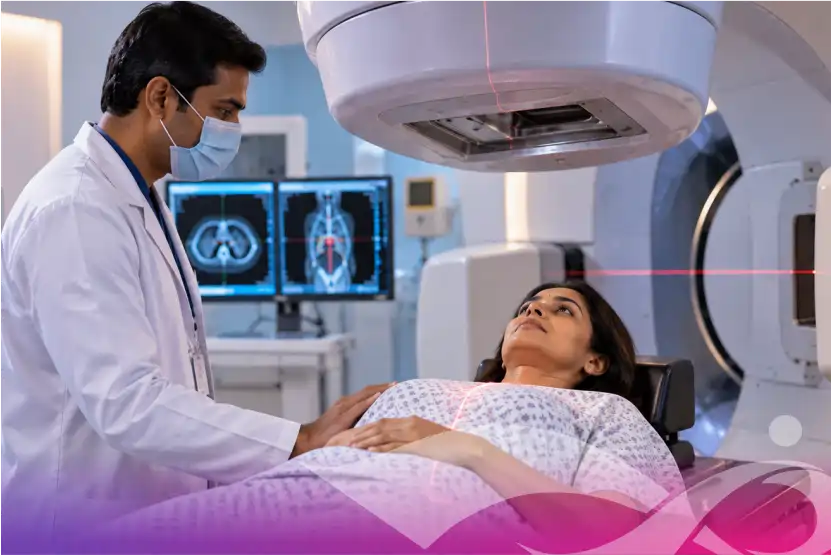
IOCI has built its reputation over a 15-year legacy on exactly this kind of coordinated approach. The International Tumor Board model means a patient's case gets more than one expert opinion before treatment even begins, and technology like TrueBeam allows for precise imaging and treatment planning that wasn't possible a decade ago.
With centres across Noida, Greater Noida, Mumbai, Kanpur, Jodhpur and several other cities, patients don't have to travel far to access this level of coordinated, second-opinion-backed care.
Practical Tips for Staying Ahead of It
A few habits can really help you catch things early:
-
Go for age-appropriate screenings even without symptoms — mammograms, Pap smears, colonoscopies as recommended
-
Know your family history and mention it at every check-up
-
Don't ignore a symptom that lasts more than two to three weeks
-
Track unexplained weight loss, persistent pain or unusual bleeding
-
Ask for a second opinion if something feels unresolved after a first consultation
Conclusion
Cancer caught early is, in a real sense, a different disease than cancer caught late – same name, far better odds. If something has been bothering you for weeks, don't put off getting it checked. IOCI's team also serves patients through its centres offers thorough screening and a second opinion service for exactly these situations. Book a consultation and get clarity instead of guesswork. With centres in Noida, Greater Noida, Mumbai, Kanpur, Jodhpur and beyond, expert screening is likely closer than you think.