





15 August 2026
Not every cancer needs a scalpel. And not every cancer can be treated without one. Figuring out which is which is one of the trickier calls in oncology, and it's the question we probably get asked more than any other at a surgical oncology hospital in Noida when does someone need surgery versus something else first?
The Role Surgery Plays
Surgery is one of the oldest weapons against cancer, and for many solid tumours, it's still among the most effective. It works best when the tumour hasn't wandered off to other parts of the body and when its location means a surgeon can take it out without wrecking everything around it.
Sometimes that's all there is to it. Cut it out, Done. Other times it's step one of a longer plan that folds in chemotherapy, radiation, or targeted drugs. Even the surgery itself has changed a lot over the years. Operations that used to mean a big incision and a week in hospital can often be done laparoscopically or with robotic assistance now – smaller cuts, faster recovery, and less time spent staring at a hospital ceiling.
What Decides Whether Surgery Makes Sense
A handful of things go into that call: how big the tumour is and what stage it's at, whether it's reached the lymph nodes or anywhere further, how healthy the patient is otherwise, and whether non-surgical treatment might do the job just as well.
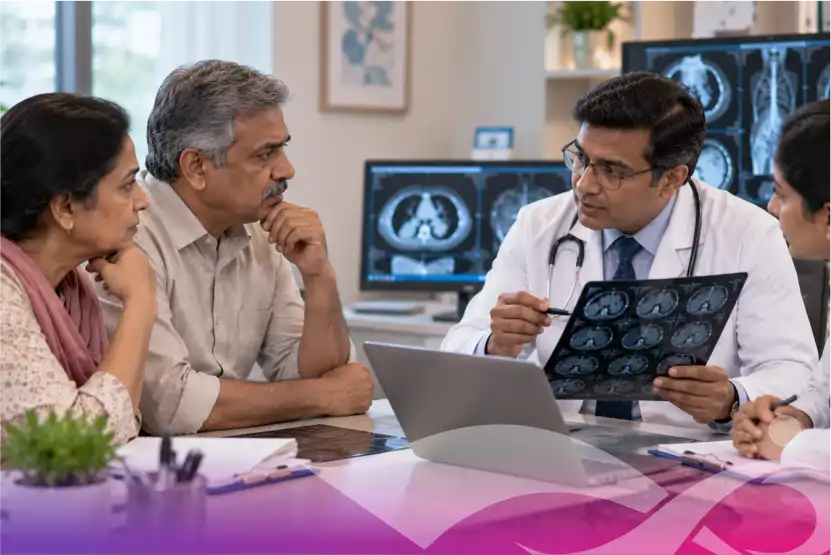
A cancer surgery specialist in Noida will usually go through the imaging, the biopsy results, and the patient's general fitness before recommending an operation at all because surgery carries its own risks, and those need weighing against whatever benefit it's expected to bring.
How the Surgical Process Unfolds
Once everyone's agreed surgery is the best option, pre-op tests check the patient can handle anaesthesia and the procedure itself. Depending on the cancer, that might mean removing just the tumour with a rim of healthy tissue around it, or something bigger if nearby lymph nodes need looking at too.
Recovery varies widely. Some people are home in a couple of days. Others are looking at a longer hospital stay and a proper recovery plan built around what they've been through.
Different Goals Behind Cancer Surgery
Not every operation is aimed at removing the whole tumour, and knowing which goal applies helps set the right expectations going in.
Curative Surgery
This kind aims to take out every trace of detectable cancer, usually when the disease hasn't spread beyond where it started. Radiation or chemotherapy often follows, mopping up any stray cells the surgery couldn't catch.
Palliative or Debulking Surgery
Occasionally a tumour just can't be fully removed, but surgery can still shrink it, ease pain, or take pressure off nearby organs, which genuinely improves comfort even when a cure isn't the goal. It's worth knowing the difference, since recovery and follow-up look quite different depending on which type of surgery applies.
Why Choose IOCI for Cancer Surgery
IOCI shows up often as one of the names people associate with the best cancer hospital in Noida, largely because surgical, medical and radiation oncology all sit under one coordinated system here rather than working in silos. Every surgical case goes to the tumor board first, so the call to operate or not comes from a group, not one person's opinion.
That matters more than it might sound. A tumor board can flag cases where a less invasive route works just as well or where combining approaches beats surgery on its own. And for complicated cases, having the same specialists who'll later manage chemo or radiation involved from the start means the surgical plan actually fits the bigger picture instead of being decided in isolation and adjusted around later.
What Helps Patients Prepare and Recover
A few things tend to make the whole surgical journey easier:
-
Share your full medical history, past surgeries, current medications, all of it before the procedure
-
Stick to pre-op fasting and medication instructions exactly as given, even the annoying parts
-
Line up help at home for at least the first week or two afterward
-
Show up to every follow-up appointment, even when you're feeling perfectly fine
-
Ask your surgical team plainly what recovery will look like and what activities to avoid
Conclusion
This isn't a decision to make alone or in a hurry. A second opinion from a coordinated surgical oncology team can be the difference between an operation that's genuinely needed and one that isn't. IOCI's surgical oncology specialists in Noida are available to go through your case with you and talk through what actually makes sense for your situation, including whether surgery should come first or wait until after something else.