




13 August 2026
Mention radiation therapy to most people, and you'll get a wince or a story about a relative who "suffered terribly" through it. A lot of what circulates is leftover fear from decades-old equipment and half-remembered anecdotes. Here's what's actually true about this treatment today and what patients really want to know before their first session.
What This Treatment Actually Does
At its core, this therapy damages the genetic material inside cancer cells so they lose the ability to multiply. Machines today can shape and aim high-energy beams with sub-millimetre accuracy, which means healthy tissue around the tumour gets far less exposure than it once did. Depending on the cancer, it may be the sole treatment or one part of a larger plan involving surgery or chemotherapy.
Before anything is delivered, a radiation oncologist builds a detailed map of the tumour using CT or MRI imaging. This mapping stage simulation is often the longest part of the entire process, as precision here determines how well everything else goes.
Common Myths, and the Actual Facts
Myth: Patients become radioactive and unsafe to be near. Fact: With external beam treatment, the far more common approach, there is no residual radiation in the body afterward patients can go straight home to their families.
Myth: It leaves severe, lasting burns. Fact: mild skin redness, similar to sunburn, is possible, but newer delivery techniques have cut this down considerably compared to machines from ten or fifteen years ago.
Myth: Once started, the effects can't be controlled or adjusted. Fact: every plan is dosed with specific limits and reviewed regularly, with changes made the moment side effects appear.
How a Treatment Course Actually Proceeds
A planning scan comes first, building a 3D picture of the tumour that's used to calculate precise angles and doses. From there, most patients return for short daily sessions often under 15 minutes spread across several weeks depending on the type and stage of cancer involved.
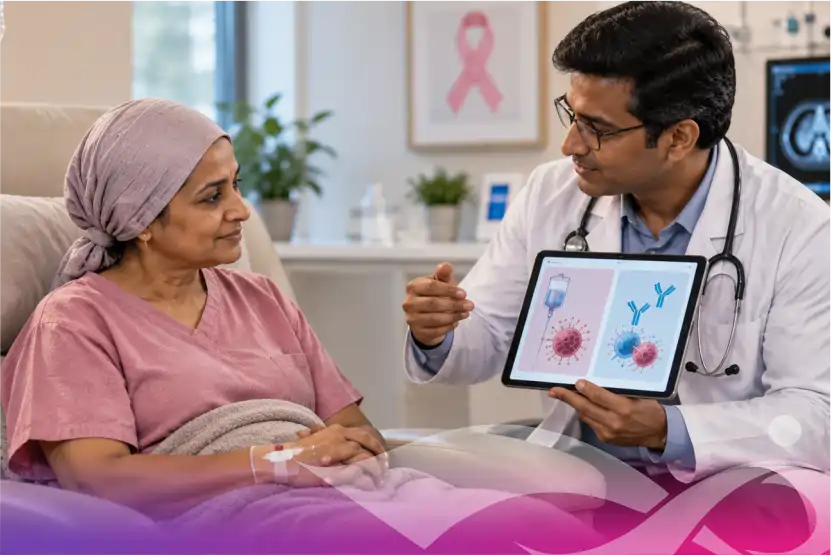
The radiation oncologist checks in throughout the course, ready to adjust the plan if the tumour responds faster than expected or if side effects need extra attention.
The Main Types of Radiation Techniques
Treatment doesn't look the same for every patient, and understanding the two broad categories helps set realistic expectations.
External Beam Radiation
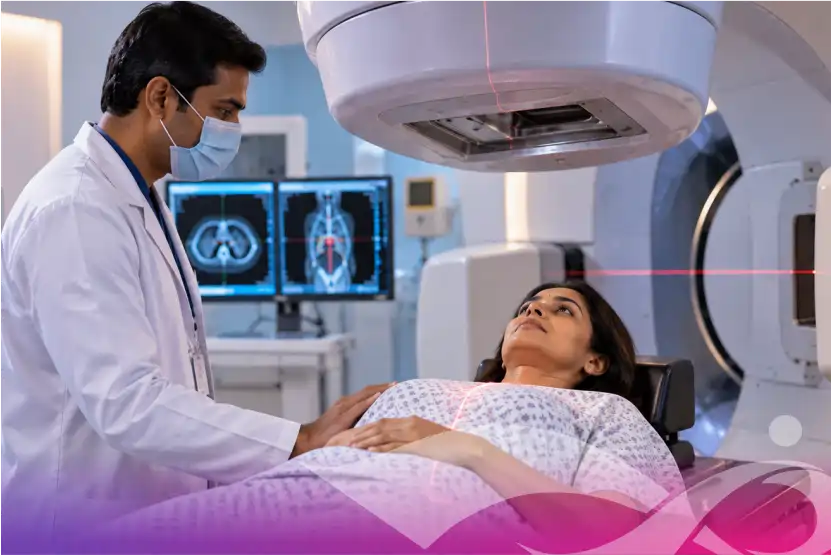
The most widely used approach: a machine outside the body aims beams at the tumour from multiple angles without any physical contact. Sessions are brief, typically delivered daily over a period of weeks.
Internal Radiation (Brachytherapy)
Here a radioactive source is placed inside or immediately next to the tumour, common for cervical or prostate cancers. It delivers a concentrated dose directly where it's needed while sparing more of the surrounding tissue, usually in fewer total sessions than the external approach.
Why Choose IOCI for Radiation Treatment
Patients often find IOCI listed as the best cancer care hospital in Noida, and the TrueBeam system is a big part of why it enables tighter targeting and shorter sessions than older linear accelerators still in use elsewhere.
Every case here goes through the same tumor board review used for surgical and medical oncology decisions, so radiation isn't planned in a silo. Whether radiation is used alone, before surgery, or after chemotherapy, the sequencing has a real effect on outcomes, which is exactly why more than one specialist weighs in before the plan is finalised.
Tips for Getting Through Treatment Comfortably
A handful of habits make a real difference during a course of sessions:
-
Keep treated skin clean and use only a doctor-approved moisturiser
-
Shield the treated area from direct sunlight, during treatment and for a while after
-
Eat smaller, more frequent meals if appetite drops
-
Plan for rest: fatigue tends to build up gradually rather than hit all at once
-
Flag any new or worsening symptoms to the care team right away rather than waiting
Conclusion
Radiation therapy today bears little resemblance to the frightening picture many people carry in their heads. It's precise, closely monitored, and generally far easier to tolerate than its reputation suggests. If you're weighing this option for yourself or a family member, IOCI's radiation oncology team in Noida can walk you through what the equipment involves, how many sessions to expect, and what your specific case will likely look like.