



28 June 2026
Introduction
When someone receives a cancer diagnosis, the first thing most oncologists communicate after the diagnosis itself is the stage. That number is very important. It shapes everything that follows: which treatments are considered, what the treatment goal is (cure versus control), how long and intensive the process will be, and what the realistic range of outcomes looks like. Understanding cancer stages is not a technical detail reserved for clinicians it is the framework within which every decision about treatment gets made, and patients who understand it are better equipped to participate in those decisions. These cancer treatment tips explain the clinical difference between Stage 1 and Stage 4, what each means for treatment and recovery, and why the gap between them and what determines whether a cancer is found at one versus the other matters so much.
Overview of Stage 1 and Stage 4 Cancer
Staging describes how far a cancer has progressed at the time of diagnosis. The TNM system, which stands for tumour, node, and metastasis, is the most widely used framework. It assesses tumour size and local invasion, lymph node involvement, and whether the cancer has spread to distant organs. The combination of these three factors produces a stage from I to IV. Most solid tumours follow this system, though the specific criteria differ by cancer type.
What is Stage 1 cancer?
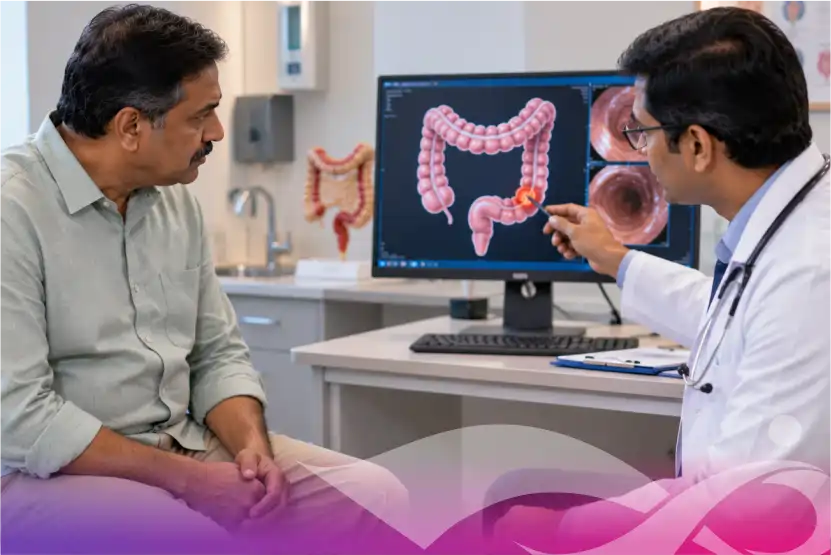
Stage 1 cancer is localised to the organ of origin. The tumour is small, confined to the organ of origin, and has not spread to lymph nodes or distant sites. In most cancer types, Stage 1 represents the best possible starting point for treatment options. They are widest, surgery alone is often sufficient, and the clinical goal is a cure. The tumour has not yet developed the vascular and lymphatic connections that allow it to seed elsewhere, which is why early detection changes outcomes so substantially.
What is Stage 4 cancer?
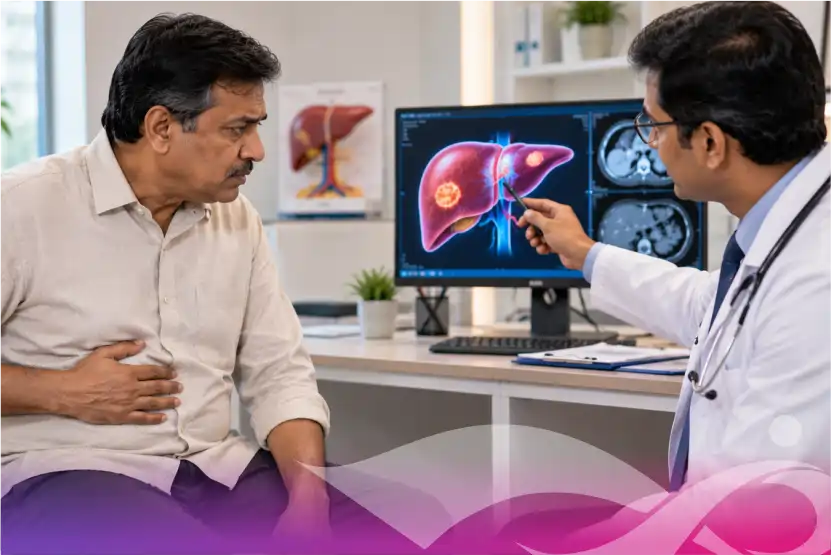
Stage 4 metastatic cancer means the disease has spread from its primary site to distant organs. Common metastatic sites include the liver, lungs, bones, and brain, depending on the primary tumour type. The Stage 4 cancer survival rate varies considerably by cancer type: some metastatic cancers, like certain thyroid cancers, carry a relatively favourable prognosis others, like pancreatic cancer with liver metastases, are significantly more difficult to manage. Stage 4 does not mean treatment is futile it means the treatment goal has shifted from cure to control, and modern oncology has significantly expanded what control means in practice.
Key Differences Between Stage 1 and Stage 4 Cancer
Extent of disease
This is the defining distinction. Stage 1 cancer is a local problem, it is where it started and nowhere else. Stage 4 cancer is a systemic problem. Cancer cells have entered the bloodstream or lymphatic system, travelled to distant sites, and established viable secondary tumours. The biological process that enables metastasis, including angiogenesis, epithelial-mesenchymal transition, and immune evasion, represents a fundamentally different disease state from a localised primary tumour and requires a fundamentally different treatment approach.
Treatment complexity
Stage 1 treatment is often singular: surgery to remove the tumour, sometimes followed by radiation or adjuvant therapy to reduce recurrence risk. Stage 4 treatment almost always requires combination approaches, systemic chemotherapy or targeted therapy, to address disease at multiple sites, potentially alongside local treatment of symptomatic metastases. The oncology team managing a Stage 4 patient is typically larger and the coordination between disciplines more intensive.
Recovery expectations
After Stage 1 treatment with curative intent, patients often return to normal function within weeks to months. The treatment burden is finite a defined course of therapy, then surveillance. Stage 4 management is ongoing. It may involve continuous treatment cycles with the goal of maintaining disease control rather than achieving remission, and quality of life management alongside tumour control becomes a primary clinical concern rather than a secondary one.
Prognosis
Five-year survival rates for Stage 1 cancers are substantially higher than for Stage 4 across most cancer types. For example, Stage 1 breast cancer has a five-year survival rate above 95 per cent. Stage 4 breast cancer is approximately 28 per cent in current population data. But the Stage 4 cancer survival ratio has been improving meaningfully for several cancer types as targeted therapies, immunotherapy, and better patient selection for clinical trials expand what is achievable.
Treatment Options for Different Cancer Stages
Stage 1 cancer treatment
Surgery is the primary intervention for most Stage 1 solid tumours. If the resection margins are clear and the tumour characteristics are favourable, no additional systemic treatment is required. Adjuvant radiation reduces local recurrence in some settings particularly breast and head and neck cancers. Targeted therapy is increasingly used adjuvantly in tumours with specific molecular drivers, such as HER2-positive breast cancer or EGFR-mutated lung cancer, to reduce the risk of recurrence beyond what surgery and radiation achieve alone. The goal at Stage 1 is a cure, and the cancer treatment guide for this stage is orientated entirely around achieving and then maintaining remission.
Stage 4 cancer treatment
Systemic therapy is the backbone of Stage 4 management because the disease is, by definition, present in multiple locations. The specific agents depend on cancer type, molecular profile, and prior treatment history.
-
Chemotherapy — cytotoxic drugs that interfere with cell division, effective across multiple cancer types but with significant side effect profiles that require careful management
-
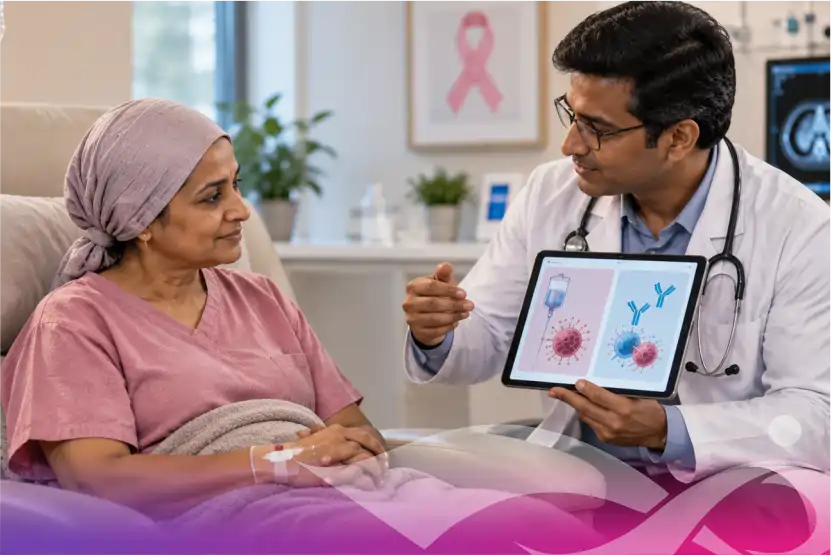
Immunotherapy — checkpoint inhibitors that restore the immune system's ability to recognise and attack cancer cells; has transformed outcomes in melanoma, lung cancer, and several other tumour types
-
Targeted therapy — drugs directed at specific molecular targets, such as BRAF inhibitors in melanoma or tyrosine kinase inhibitors in chronic myeloid leukaemia; requires prior molecular profiling to establish eligibility
-
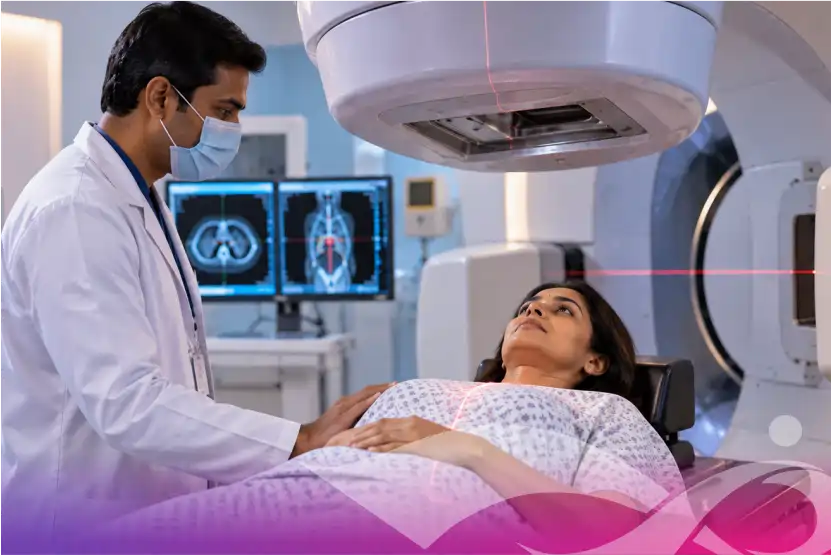
Palliative radiotherapy — targeted radiation to specific metastatic sites for symptom control, particularly for painful bone metastases or brain metastases causing neurological symptoms
-
Palliative and supportive care — pain management, nutritional support, psychological care, and symptom control alongside active anti-cancer treatment; not an alternative to treatment but an integral component of comprehensive Stage 4 care
Access to the best oncology treatment in India at a centre with molecular profiling, multidisciplinary tumour boards, and clinical trial access changes the options available to Stage 4 patients in ways that are clinically significant.
Why Early Diagnosis Matters
The difference between a Stage 1 and Stage 4 diagnosis is largely a function of when the cancer was found. Most cancers do not announce themselves early they grow silently until local invasion or systemic spread produces symptoms. Screening programmes exist precisely because they detect cancers at a pre-symptomatic stage, when they are most likely to be Stage 1 or 2. Breast mammography, cervical smears, colorectal cancer screening with colonoscopy, and lung cancer CT screening in high-risk individuals all have evidence demonstrating that they find cancers earlier and reduce cancer-specific mortality. Attending these screenings is not a bureaucratic health obligation, it is the mechanism through which Stage 4 presentations are converted to Stage 1 presentations, with all the difference in outcomes that entails.
Recovery and Life After Treatment
Recovery after Stage 1 cancer
With curative treatment completed, the primary concern shifts to surveillance, regular imaging and tumour marker monitoring at intervals defined by recurrence risk. Most Stage 1 patients return to full activity within months of completing treatment. Psychological adjustment to a cancer diagnosis and its implications persists longer than physical recovery for many patients, and this dimension of recovery deserves the same attention as the physical one.
Living with Stage 4 cancer
Modern oncology has expanded the median survival for several Stage 4 cancer types significantly. Patients with metastatic lung cancer harbouring an EGFR mutation now experience median progression-free survival measured in years rather than months when treated with a third-generation TKI. Many Stage 4 patients live meaningful, productive lives for extended periods while managing their cancer as a chronic condition. The Stage 4 cancer survival rate remains a population statistic it does not determine individual outcomes, which depend on cancer type, molecular characteristics, performance status, and access to optimal treatment.
Expert Tips for Cancer Prevention and Better Outcomes
-
Attend cancer screening programmes at the recommended intervals — mammography from 40 to 45 depending on risk profile, cervical smear from 21 onwards, colonoscopy from 45 in average-risk individuals; these are the practical tools that find cancers early
-
Stop smoking completely — tobacco causes roughly a third of all cancer deaths globally and is the most impactful modifiable cancer risk factor; the benefit of cessation accumulates significantly over years
-
Know your family history — first-degree relatives with early-onset cancer or multiple family members with the same cancer type warrant genetic counselling and potentially earlier or more frequent screening
-
Report symptoms promptly — unexplained weight loss, persistent fatigue, a lump, changes in bowel or bladder habit, or bleeding that has no obvious explanation should be investigated rather than monitored at home
-
Maintain a healthy weight and limit alcohol — obesity and regular alcohol consumption are established risk factors for multiple cancer types; neither requires perfection to reduce risk, but consistent improvement over years matters
-
Seek treatment at a centre with molecular profiling capability — for cancer types with known druggable targets, knowing the molecular profile of the tumour is not optional; it determines which treatments are appropriate and which clinical trials are accessible
Conclusion
The difference between Stage 1 and Stage 4 cancer is not simply a number it is a description of where the disease is in its biological progression and what that means for treatment, prognosis, and quality of life. Understanding cancer treatment stages helps patients ask better questions, make more informed decisions, and engage more effectively with their clinical team. Accessing the best oncology treatment in India, whether that is molecular profiling, clinical trial access, multidisciplinary tumour boards, or advanced immunotherapy, is most impactful when the diagnosis happens early. That is why screening, prompt investigation of symptoms, and building a treatment relationship with an experienced oncology team remain the most important actions anyone facing a cancer diagnosis or trying to avoid one can take.