




16 October 2026
Most people with hepatitis B or C feel completely well for years. That is part of the problem, because the virus can quietly damage the liver in the background. The link between hepatitis and liver cancer is well established, but it is not a certain outcome, and much of the risk can be managed. This article explains how the infection leads to liver damage, who needs regular scans, and how the oncology team at IOCI supports patients across India.
Hepatitis B and C: How Chronic Infection Can Increase Liver Cancer Risk
Hepatitis B and C often cause no symptoms for years, so many people live with the infection without knowing it. Over time, constant inflammation can scar the liver and, in some people, lead to cancer. The link between Hepatitis and Liver Cancer is well established, and it is one of the more preventable cancer pathways. This blog explains how the infections cause harm, who is at higher risk and how screening helps find cancer early.
How Chronic Hepatitis Damages the Liver
Hepatitis B and C are viral infections that inflame the liver. When an infection lasts more than six months, it is called chronic. The damage usually follows a pattern:
-
Ongoing inflammation injures liver cells.
-
The liver repairs itself by forming scar tissue, called fibrosis.
-
Extensive scarring becomes cirrhosis, where the liver is hard and works poorly.
-
Cells in a scarred, constantly regenerating liver are more likely to develop cancer-causing changes.
Hepatitis C usually leads to liver cancer after cirrhosis has formed. Hepatitis B is different, because it can cause liver cancer even without cirrhosis.
Who Faces a Higher Risk
Liver cancer risk in chronic hepatitis patients is not the same for everyone. It rises with:
-
Cirrhosis, which is the strongest single risk factor.
-
A longer duration of infection and older age.
-
Male sex, which is linked with higher risk.
-
A family history of liver cancer.
-
Heavy alcohol use, fatty liver disease or diabetes alongside hepatitis.
-
Infection with both hepatitis B and C, or with HIV.
Symptoms to Notice
Early liver cancer usually causes no symptoms, which is why screening matters. Later signs include:
-
Pain or heaviness in the upper right abdomen, caused by a growing tumour or an enlarged liver.
-
Unexplained weight loss and loss of appetite.
-
Yellowing of the eyes and skin (jaundice), which happens when the liver cannot clear bilirubin.
-
Swelling of the abdomen from fluid.
-
Unusual tiredness.
Reducing the Risk
-
Hepatitis B vaccination prevents the infection. Newborns and unvaccinated adults should ask about it.
-
Antiviral medicines for hepatitis B keep the virus under control and reduce liver damage.
-
Hepatitis C can now be cured in most people with a short course of antiviral tablets.
-
Avoiding alcohol and keeping a healthy weight protect the liver further.
Cure of hepatitis C does not remove all risk if cirrhosis has already formed, so follow-up may still be needed.
How Liver Cancer Is Diagnosed and Treated
Doctors usually confirm liver cancer with a multiphase CT or MRI scan, which shows a typical pattern, along with an AFP blood test. A biopsy is needed only in some cases. Treatment can include surgery, ablation, liver transplant, embolisation, radiation and drug therapy, depending on tumour size and liver function. IOCI's oncologists prepare personalised plans, and its International Tumor Board and second opinion service support patients who want extra expert input.
Who With Hepatitis Should Undergo Regular Liver Cancer Screening?
Screening is generally advised for:
-
Anyone with cirrhosis, whatever the cause.
-
Hepatitis B carriers with a family history of liver cancer, and Asian men and women beyond middle age (many guidelines use about 40 for men and 50 for women).
-
Hepatitis C patients with advanced fibrosis or cirrhosis, including after cure.
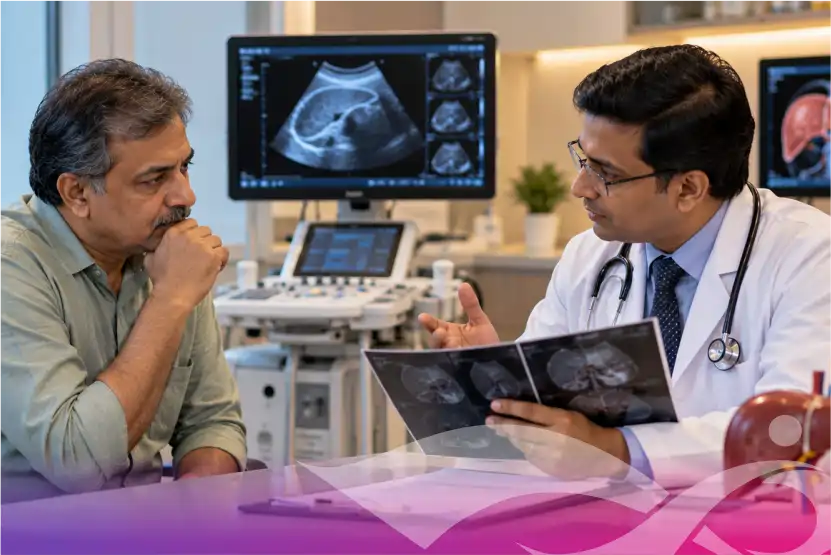
Screening usually means a liver ultrasound, often with an AFP blood test, repeated about every six months. Your doctor sets the exact schedule.
Conclusion
Hepatitis can raise the chance of liver cancer, but it does not decide your outcome. Knowing your status, taking treatment as advised and attending your scans catches changes early, when treatment works best. If you are looking for the best liver cancer specialist in India, choose a team that looks at the liver disease and the cancer together. IOCI offers appointments and second opinions. Carry your hepatitis test results, liver function tests and previous scans to your consultation. This article is general information and does not replace medical advice.