


30 September 2026
Two people can walk in with what looks like the same diagnosis on paper and still need entirely different treatment. That's really the starting point for advanced cancer treatment in India right now a move away from standard protocols and towards plans shaped around each patient's actual tumour biology, health, and history. It takes longer than pulling a checklist off the shelf. But it tends to get closer to what the person in front of the doctor actually needs, not just what the diagnosis on paper suggests.
What "Advanced" Actually Means Here
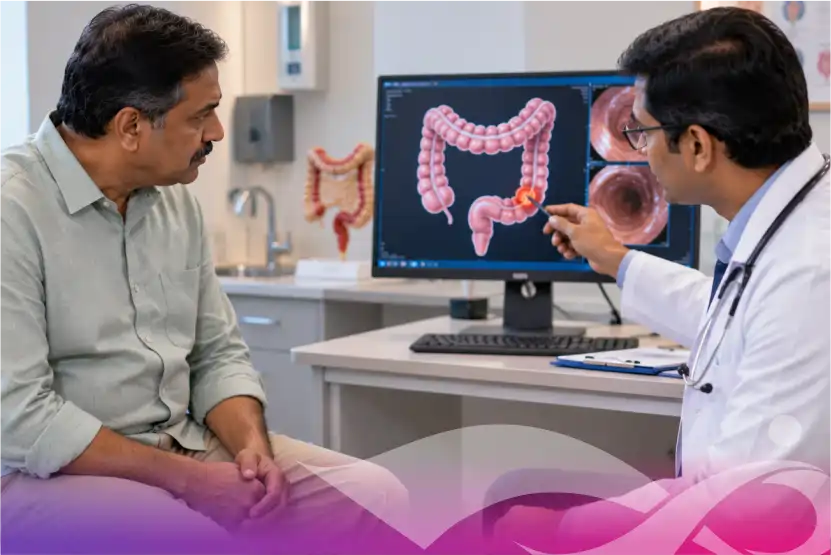
It isn't about aggressive treatment, if that's what comes to mind first. It's really about precision. Genetic and biomarker testing can now map out the molecular details of a tumour in ways that weren't possible a decade ago, and those details now shape decisions that used to rest almost entirely on cancer type and stage alone. Add newer treatment technology and specialists who actually talk to each other, and the whole process of building a treatment plan looks pretty different than it did even five years back.
Personalised Cancer Treatment in India: What's Actually Involved
Personalised cancer treatment in India doesn't start with a protocol but with testing. It starts with testing. It starts with testing. Usually the process covers:
-
Genetic and molecular profiling of the tumour
-
Biomarker testing, to see how the cancer might respond to particular drug classes
-
A full review of the patient's health, organ function, and existing conditions, all of it
-
How the cancer has responded to whatever treatment came before, if any
Two patients, same cancer, same stage, and they can still end up on very different treatment paths once these results come in. That's why we test these cases so closely in the first place.
Why Multidisciplinary Cancer Care in India Actually Matters
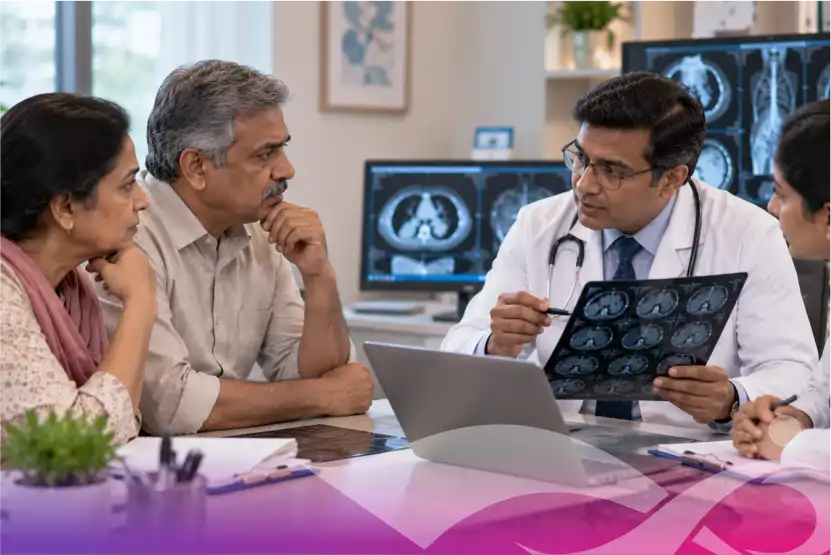
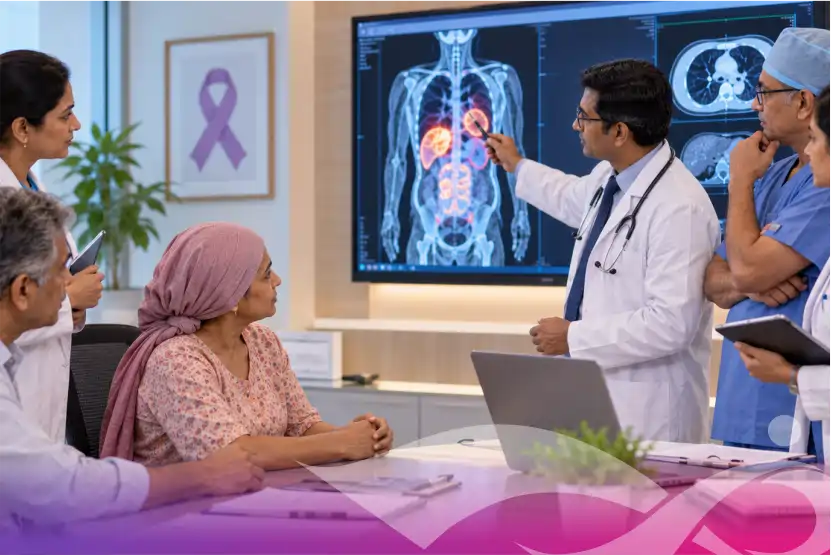
One specialist rarely covers a cancer case on their own these days. Multidisciplinary cancer care in India usually means medical oncologists, surgical oncologists, radiation oncologists, radiologists, and pathologists sitting down together over a single case, rather than each one weighing in separately without the full picture. This matters in very practical ways, whether surgery should happen before or after chemo, whether radiation is even needed, where immunotherapy fits, if it fits at all. These calls usually need more than one kind of expertise in the room.
How a Tumour Board Actually Changes the Plan
A tumour board cancer treatment in India setup means the case imaging, pathology, genetic results, and everything get reviewed together by a panel before anything is finalised. It's a useful way to catch things that might get missed when a case moves through doctors one at a time. And it means the plan that comes out the other side reflects several opinions, not just one. For anything complicated or borderline, this kind of review tends to matter more than any single consultation could.
What Goes Into an Advanced, Personalised Treatment Plan
Depending on the tumour and the patient's overall condition, a plan might pull together several of these:
-
Surgery, where the tumour can be removed and it's clearly worth doing
-
Chemotherapy, which is still central for a lot of cancer types
-
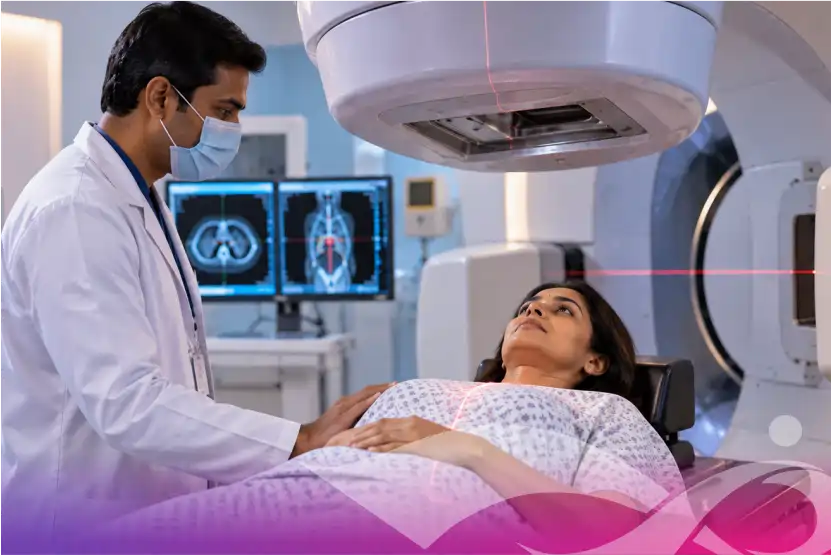
Radiation, delivered with newer precision techniques that spare more healthy tissue
-
Targeted therapy, for tumours carrying specific genetic mutations
-
Immunotherapy, where biomarker testing supports using it
The real work isn't picking one over another. It's figuring out the order and combination that actually fits the patient. That's where most of the real personalisation happens.
So How Do Doctors Actually Decide?
There's no formula that works for everyone, no matter how much people wish there were one. Doctors look at the stage and molecular profile of the cancer, how it's responded so far, the patient's overall fitness, and other health conditions that might complicate things. This scenario is exactly why a group of specialists reviewing a case tends to land somewhere better than one doctor working alone, especially when the case doesn't fit neatly into a textbook category.
When You Should Actually See a Specialist for This
If a diagnosis feels complicated, if the first round of treatment hasn't gone as expected, or if genetic testing results were never really discussed as part of the plan, it's worth pausing to consider your next steps. It's worth finding a team that looks at the case from more than one direction. IOCI builds its care around exactly such cases, with genetic and biomarker testing, personalised planning, and case discussions run through its International Tumour Board. Being counted among the best cancer treatment hospitals in India isn't really the point, though what matters is whether the specialists are actually working together and whether a second opinion is available when someone needs one, which is what IOCI's Second Opinion service is there for.
Conclusion
Today, advanced cancer treatment has less to do with one breakthrough drug and more to do with how carefully a plan gets built around the person receiving it. If you're dealing with a diagnosis and want a plan shaped by real testing and more than one specialist's input, that kind of coordinated care is worth seeking. IOCI's oncology team, backed by its International Tumour Board, works through exactly this process for every case that comes through the door.