





14 October 2026
When active treatment ends, most women expect to feel relieved. Many do, but a lot of them also start listening to their bodies more closely than before. Every ache in the back and every small lump near the scar can bring one question to mind: is it back? Breast cancer recurrence does happen to some women, though most never face it. Knowing which symptoms deserve attention and which tests are actually worth doing takes away much of the guesswork. Here is what patients usually want to know, along with how IOCI approaches these cases.
What Recurrence Actually Means
Recurrence means the cancer has returned after a period when tests could not find it. Surgery, radiation and drugs remove or destroy nearly all cancer cells, but occasionally a few survive quietly and start growing again months or years later.
Doctors describe it by where it shows up:
-
Local: in the treated breast, the scar or the chest wall
-
Regional: in nearby lymph nodes, such as the armpit or the area above the collarbone
-
Distant: in another organ, most often the bones, liver, lungs or brain
Distant recurrence is also called metastatic breast cancer. It is treated differently from a local return, so the location matters a great deal.
Who Is More Likely to See It Return
Nobody can say for certain who will and who won't have a recurrence. Some things do change the odds:
-
A larger tumour at diagnosis, or cancer that had already reached the lymph nodes
-
Faster-growing types, such as triple-negative or HER2-positive cancers, which tend to come back in the first few years
-
Hormone receptor-positive cancers, which can return late, sometimes more than ten years after treatment
-
Diagnosis at a younger age
-
Stopping hormone therapy tablets earlier than planned
That last point is one women can influence. Hormone therapy is usually prescribed for five to ten years, and the side effects, such as joint pain and hot flushes, make many people want to quit. If you feel that way, speak to your doctor before you stop. There are often ways to make it easier.
Warning Signs of Breast Cancer Returning After Treatment
Where you feel something depends on where the cancer comes back.
Near the original site:
-
A new lump in the breast, the scar or the armpit
-
Skin that thickens, turns red or develops a rash that doesn't clear
-
Swollen glands in the armpit or neck
If it has reached other organs:
-
Bone pain that doesn't ease with rest, often in the back, hips or ribs
-
A dry cough that lingers, or breathlessness on mild effort
-
Loss of appetite, discomfort under the right ribs, or yellowing of the eyes
-
Headaches that keep getting worse, or new weakness in an arm or leg
-
Weight loss with no reason, and tiredness that sleep doesn't fix
Here's the honest part: most aches after treatment have nothing to do with cancer. Surgery, radiation and hormone therapy all leave the body sore for a long time. A useful rule is to take notice when something is new, lasts longer than two weeks and doesn't have an obvious explanation.
How Can I Know If Breast Cancer Has Returned?
You can't know on your own, and a lump or a pain doesn't settle the question either way. Scar tissue, cysts and fatty tissue that has healed unevenly can all feel like a lump. Only examination and tests can tell the difference.
If something worries you, book an appointment. Don't hold it back until your next scheduled visit. Your doctor will examine you and then decide which scan fits your symptoms. If a scan shows something suspicious, a biopsy is the step that confirms it. The tissue is tested again for oestrogen, progesterone and HER2 status, because these can change since the first diagnosis, and the treatment depends on them.
Which Tests Can Detect Breast Cancer Recurrence Early?
This surprises many patients. For women who feel well, guidelines from ASCO and ESMO recommend fewer tests than most people expect:
-
A doctor's visit with a physical exam every three to six months for the first three years, every six to twelve months for the next two, then once a year
-
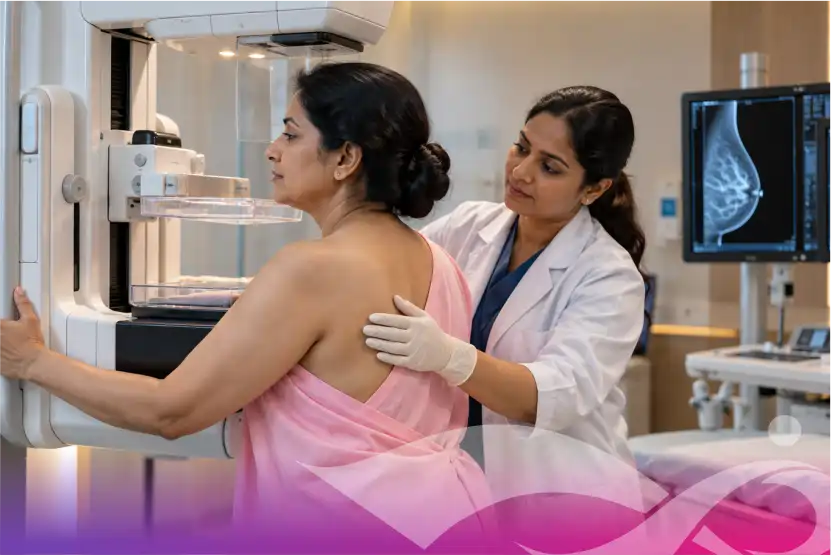
A mammogram every year for the remaining breast tissue
-
CT, bone scan or PET only if symptoms or the exam point to a problem
Regular tumour marker blood tests and whole-body scans in women without symptoms haven't been shown to help people live longer. They often produce false alarms and anxiety instead. Blood tests that look for circulating tumour DNA are being studied, but they aren't part of routine follow-up yet.
Treatment When the Cancer Returns
The plan depends on where the cancer is, its receptor status, what treatment you had before and how you're doing overall.
-
Local recurrence: surgery, and radiation if the area wasn't irradiated before
-
Hormone receptor-positive: a different hormone therapy, often with a CDK4/6 inhibitor
-
HER2-positive: HER2-targeted drugs, with or without chemotherapy
-
Triple-negative: chemotherapy, and immunotherapy for selected patients
-
BRCA mutation: PARP inhibitors can be an option
-
Bones involved: bone-strengthening medicines, and radiotherapy for pain
When the cancer has spread, treatment aims to keep it under control for as long as possible while protecting your daily life. Many women live for years with well-controlled disease.
How IOCI Handles Recurrent Breast Cancer
A recurrence needs a new plan, not a copy of the last one. At International Oncology Cancer Institute (IOCI), oncologists design a personalised treatment plan for each patient. Recurrent cases can be taken to the International Tumor Board, where surgeons, medical oncologists and radiation oncologists look at the same reports and agree on a direction together.
If radiotherapy is part of the plan, for a chest wall recurrence or painful bone deposits, it can be planned on advanced systems such as TrueBeam. And if you were treated somewhere else, IOCI's Second Opinion service lets a specialist go through your earlier pathology and scan reports before you decide what to do next.
When to Call Your Doctor
Don't wait for your next appointment if you notice:
-
Any new lump, skin change or swelling
-
Pain that lasts more than two weeks
-
A cough, breathlessness or yellow eyes with no clear reason
-
A severe headache, new weakness or confusion
-
Weight loss you can't explain
Living Well After Treatment
There's no way to guarantee recurrence won't happen, but a few habits do help:
-
Take hormone therapy as prescribed
-
Attend every follow-up visit, even when you feel fine
-
Stay active, keep a healthy weight and limit alcohol
-
Write down new symptoms with the date so you can describe them clearly
-
Talk about the fear. Nearly every survivor has it, and counselling or a survivor group can make the waiting between check-ups easier
Conclusion
Recurrence is possible, not certain. Following the schedule your team gives you and reporting anything new early will serve you better than checking your body every day. If you're searching for the best hospital for recurrent breast cancer treatment in India, look for a centre that retests the recurrence and reviews it with a full team, not one that simply repeats the earlier plan. IOCI offers appointments and second opinions for women who want their reports looked at with fresh eyes. This article is general information and doesn't replace advice from your oncologist.