




28 November 2026
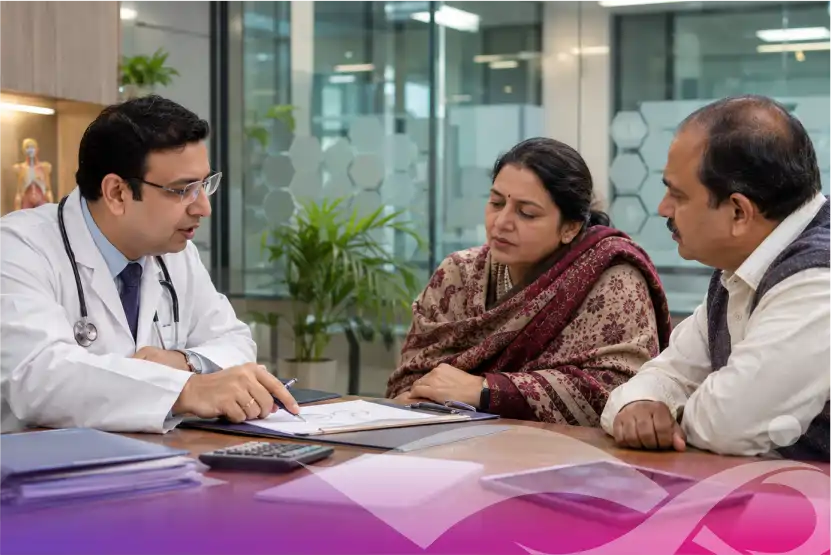
A cancer diagnosis often arrives with pressure to start treatment quickly, and while timing does matter for many cancers, it rarely means there's no room to pause and seek clarity first. A cancer second opinion in India is a standard, widely accepted part of cancer care, not a sign of distrust toward the first doctor, and most oncologists expect and support patients taking this step.
Why a Second Opinion Is Worth Considering
Cancer treatment decisions are rarely based on a single, obvious path. Staging can sometimes be interpreted differently depending on how scans and biopsy reports are read, and treatment protocols can vary between oncologists based on experience, institutional practice, or access to specific therapies. A second opinion doesn't necessarily mean
disagreement with the first diagnosis, but it often confirms the plan, clarifies uncertain points, or occasionally reveals an additional treatment option worth discussing.
Should I Get a Second Opinion Before Starting Cancer Treatment?
For most cancers, there's enough time between diagnosis and starting treatment to seek a second opinion without meaningfully affecting outcomes. Exceptions exist for certain aggressive or rapidly progressing cancers, where oncologists may advise starting treatment sooner, but this is something to discuss directly with the treating doctor rather than assume.
Patients often consider a second opinion particularly useful when:
● The recommended treatment involves major surgery or significant side effects
● There's uncertainty about the exact stage or type of cancer
● A rare or complex cancer type is involved
● The patient wants confirmation before committing to a long treatment course
● Multiple treatment approaches were mentioned without a clear single recommendation
What to Bring to a Second Opinion Consultation
A second opinion is only as useful as the information available to the reviewing doctor. Carrying complete records helps avoid repeating tests unnecessarily and speeds up the review process considerably.
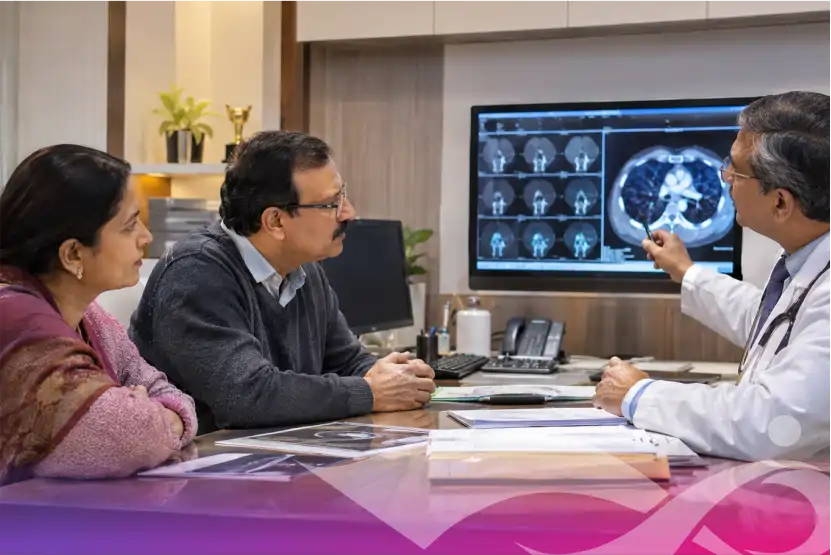
● All imaging reports and, where possible, the actual scan films or digital copies
● Biopsy reports along with the physical slides or blocks, if available, since pathology review sometimes requires re-examining the actual tissue
● Blood test results and any tumour marker reports
● A written summary of the treatment plan already proposed
● A list of medications currently being taken
Questions Worth Asking Your Oncologist
A second consultation is also an opportunity to ask questions that might not have come up during the initial diagnosis conversation.
● What stage is the cancer, and how confident is that staging based on current tests?
● Are there alternative treatment approaches beyond the one already recommended?
● What are the expected side effects, and how are they typically managed?
● How will treatment response be monitored over time?
● Is there a role for clinical trials or newer therapies for this specific cancer type?
Where Can I Get an Expert Cancer Second Opinion in Noida?
IOCI, recognised as the best cancer hospital for second opinion in Noida, offers structured consultation for patients seeking review of an existing diagnosis and treatment plan. The process typically involves a thorough review of existing reports and scans, sometimes supplemented by additional tests if gaps are identified, followed by a clear discussion of findings and recommendations.
More details on scheduling an oncology second opinion consultation are available at IOCI.
How Second Opinions Are Typically Handled
Most second opinion consultations begin with a review of existing medical records before any new tests are ordered, which helps avoid unnecessary repetition of scans or biopsies already completed. If the reviewing oncologist agrees with the original assessment, it often provides reassurance and confidence moving into treatment. If there's a difference in opinion, this is usually discussed openly so the patient can make an informed decision about which path to follow.
Conclusion
Seeking a cancer second opinion in India before starting treatment is a reasonable, well-accepted step that most patients benefit from taking, whether it confirms the original plan or opens up additional considerations. Gathering complete records and preparing clear questions beforehand makes the process more efficient and genuinely useful, helping patients move into treatment with greater clarity and confidence.