





24 November 2026
Mouth ulcers are common enough that most people barely think twice about them. They usually appear after biting the cheek, eating something sharp, or during a stressful week, and clear up within one or two weeks without any treatment. But an ulcer that refuses to heal within that window is a different matter entirely, and it's one of the signs that oral cancer treatment in Noida specialists see patients delay acting on for far too long.
Why Most Mouth Ulcers Aren't a Concern
The majority of mouth ulcers are caused by minor trauma, certain food sensitivities, vitamin B12 or iron deficiency, or conditions like canker sores that flare up periodically. These typically follow a predictable pattern: they appear, cause discomfort for a few days, and heal completely within one to two weeks. Recurrent ulcers that follow this same healing pattern each time are usually not a cause for concern, even if they happen frequently.
When Should a Mouth Ulcer Be Checked for Oral Cancer?
The distinguishing feature of a concerning ulcer isn't how painful it is, but how long it persists and whether it changes over time.
-
An ulcer that hasn't healed within three weeks despite basic care
-
A sore that bleeds easily or doesn't scab over normally
-
A lump, thickened patch, or firm area inside the mouth or on the tongue
-
White or red patches that don't wipe away and persist for more than two weeks
-
Numbness in part of the mouth, tongue or lip without an obvious cause
-
Difficulty chewing, swallowing or moving the tongue that develops gradually
A single ulcer meeting one of these descriptions doesn't confirm oral cancer, but it does mean a dentist or oral specialist should examine it rather than waiting for it to resolve on its own.
Risk Factors That Increase Concern
Tobacco use, in any form, including chewing tobacco and smoking, remains the strongest risk factor for oral cancer. Heavy alcohol consumption, particularly combined with tobacco use, further increases risk. Human papillomavirus (HPV) infection has also been linked to a rising number of oral and throat cancers, even in people without a smoking history. Chronic irritation from ill-fitting dentures or sharp teeth repeatedly injuring the same spot in the mouth can also contribute, though this is less common.
How Is Oral Cancer Diagnosed?
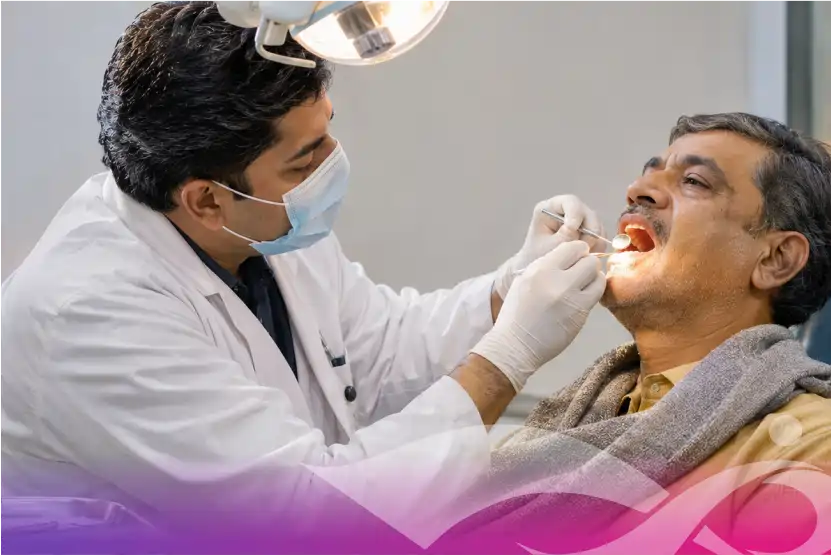
Diagnosis typically starts with a thorough physical examination of the mouth, tongue, gums and throat. If an area looks suspicious, a biopsy is taken to examine the tissue under a microscope, which remains the only definitive way to confirm or rule out cancer. Imaging such as CT or MRI scans may follow if a biopsy confirms malignancy, helping determine how far it may have spread. A head and neck cancer specialist in Noida usually coordinates this evaluation, since oral cancers can sometimes extend into areas that need specialised assessment beyond a routine dental check.
Where Can I Get an Oral Cancer Screening in Noida?
Early screening makes a measurable difference in oral cancer outcomes, since cancers caught at an early stage are generally more treatable and require less extensive intervention. IOCI, recognised as a Best oral cancer hospital in India, offers screening and diagnostic pathways for patients with persistent ulcers, unusual patches, or other warning signs described above.
Further details on screening appointments are available at IOCI.
Treatment Approaches
Treatment depends heavily on the stage at diagnosis but generally includes surgery to remove the affected tissue, sometimes combined with radiation therapy or chemotherapy depending on how advanced the cancer is. Early-stage oral cancers often respond well to surgical treatment alone, which is part of why timely evaluation of a non-healing ulcer matters so much.
Conclusion
Most mouth ulcers heal on their own without any lasting concern, but one that lingers beyond three weeks, changes shape, or comes with bleeding or numbness deserves a proper look rather than continued home remedies. Oral cancer treatment in Noida outcomes improve considerably with early detection, which makes a simple oral examination one of the most valuable checks a person can get when something doesn't feel right in the mouth.