




29 June 2026
Introduction
Approximately 30–50% of cancers are attributable to modifiable risk factors tobacco use, obesity, alcohol, physical inactivity, diet, and preventable infections. That is not a hopeful estimate; it is the conclusion of decades of epidemiological research, and it is the evidence base on which cancer prevention as a clinical discipline rests. Understanding how to control cancer does not require dramatic intervention; it requires consistent management of the factors that accumulate risk over decades. The difficulty is that most of those factors smoking, excess weight, processed meat consumption, and sedentary behaviour produce no immediate consequences, which makes sustained behaviour change genuinely hard. This guide translates the evidence into twelve specific, actionable habits, explains the mechanism behind each one, and is direct about which changes carry the largest risk reduction for the most common cancers.
Overview: The Case for Prevention Over Treatment
Cancer treatment has improved substantially over the past two decades. Five-year survival rates for many common cancers have risen, and targeted and immunotherapies have transformed outcomes for specific cancer subtypes. None of that changes the fact that preventing a cancer from developing is clinically superior to treating one that has. A healthy lifestyle for cancer prevention is not simply about reducing the probability of a future event it is also about avoiding the physical, financial, and emotional cost of the treatment itself. The lifestyle changes that reduce cancer risk also reduce cardiovascular disease risk, improve metabolic health, and protect cognitive function with age. They are not cancer-specific interventions; they are the evidence-based foundation of long-term health, and cancer prevention is one of the clearest returns on that investment.
12 Lifestyle Changes That Reduce Cancer Risk
1. Eliminate tobacco in all forms
Tobacco is causally linked to at least 15 cancer types lung, oral cavity, pharynx, larynx, oesophagus, stomach, pancreas, kidney, bladder, cervix, and several others. Smoking a single cigarette produces over 70 known carcinogens, and there is no safe level of exposure. Chewing tobacco and gutka carry the same carcinogenic load for oral and oropharyngeal cancers. Cessation at any age reduces risk; after 10 years of cessation, lung cancer risk falls to approximately half that of a continuing smoker. This is the single most impactful intervention available for cancer precaution, more so than any other individual lifestyle change.
2. Maintain a healthy body weight
Excess adiposity is now established as a causative factor in at least 13 cancer types, including colorectal, postmenopausal breast, endometrial, oesophageal, pancreatic, and renal cancers. The mechanism involves elevated insulin and IGF-1 (insulin-like growth factor) levels, chronic inflammation driven by adipose tissue cytokines, and altered sex hormone levels all of which create a biological environment that promotes tumour development and progression. Achieving and maintaining a BMI between 18.5 and 25 is not primarily an aesthetic goal; it is a cancer risk intervention with a quantifiable effect.
3. Be physically active consistently
150 minutes of moderate-intensity aerobic activity per week, such as brisk walking, cycling, or swimming, reduces the risk of colorectal, breast, and endometrial cancer through multiple mechanisms: improved insulin sensitivity, reduced adiposity, lower circulating oestrogen, and enhanced immune surveillance. The evidence for colon cancer is among the strongest in cancer prevention research, with a 20–25% risk reduction in the most active groups compared to sedentary individuals. The effect is dose-dependent, meaning more activity produces greater protection, but the threshold for measurable benefit is moderate, not elite athletic performance.
4. Eat a diet high in plants and low in processed foods
A diet built on vegetables, fruits, whole grains, and legumes provides dietary fibre (which reduces colorectal cancer risk through multiple gut-level mechanisms), antioxidants that reduce oxidative DNA damage, and protective phytochemicals. Processed meat, bacon, sausage, ham, and salami are classified as Group 1 carcinogens by the IARC, with a 17% increased colorectal cancer risk per 50 g daily serving. Red meat is a Group 2A probable carcinogen. Replacing these with plant protein sources and fish represents a concrete dietary change with consistent evidence behind it.
5. Limit or eliminate alcohol
Alcohol is causally linked to cancers of the oral cavity, pharynx, larynx, oesophagus, liver, colorectum, and breast. The mechanism involves acetaldehyde, the primary metabolite of ethanol, which is a direct DNA carcinogen. There is no safe level of alcohol consumption for cancer risk; the dose-response relationship is linear, meaning every drink increases risk incrementally. The widely cited "moderate drinking is cardioprotective" claim has been substantially revised downward recently for cancer specifically, less alcohol unambiguously means lower risk.
6. Protect skin from UV radiation
Ultraviolet radiation is the primary cause of skin cancer, including melanoma the most dangerous form. SPF 30+ broad-spectrum sunscreen applied daily to exposed areas, protective clothing, and avoiding peak-hour sun exposure (10 AM to 4 PM) are the practical interventions. Indoor tanning devices produce UV radiation at intensities that increase melanoma risk by approximately 75% in users who start before age 35. This is a risk factor where the preventive intervention is entirely within individual control and requires no medical involvement.
7. Get vaccinated against cancer-causing infections
HPV vaccination prevents infection with the high-risk HPV strains responsible for virtually all cervical cancers, most anal cancers, and a substantial proportion of oropharyngeal, vulvar, vaginal, and penile cancers. The vaccine is most effective before sexual debut but has measurable benefit in individuals who have not yet been exposed. Hepatitis B vaccination prevents chronic HBV infection, the primary risk factor for hepatocellular carcinoma (liver cancer). These are the clearest examples of how to prevent cancer at a viral aetiology level, with vaccines that are safe, effective, and available.
8. Avoid or minimise exposure to environmental and occupational carcinogens
Radon, asbestos, arsenic, benzene, diesel exhaust, formaldehyde, and crystalline silica are all established carcinogens with significant exposure in Indian occupational and residential settings. Testing homes for radon in at-risk areas, using appropriate personal protective equipment in occupational settings, and supporting workplace enforcement of carcinogen exposure limits are the practical responses. These exposures are less under individual control than dietary or tobacco choices, but awareness fosters both individual protective behaviour and legitimate grounds for regulatory pressure.
9. Prioritise sleep
Chronic sleep disruption, defined as consistently less than six hours per night or irregular sleep-wake cycles, is associated with increased risk of colorectal, breast, and prostate cancer, likely through mechanisms involving circadian disruption of tumour suppressor gene expression and impaired immune surveillance during sleep. Seven to nine hours of consistent, quality sleep per night is the recommendation with the strongest evidence base; it is not a lifestyle luxury but a physiological requirement with cancer-relevant consequences when consistently unmet.
10. Manage chronic conditions actively
Type 2 diabetes is independently associated with increased risk of pancreatic, colorectal, endometrial, and hepatocellular cancer in part through hyperinsulinaemia and chronic inflammation. Chronic hepatitis B and C, extremely prevalent in India, are the primary drivers of liver cancer risk in the absence of alcohol. Managing these conditions with appropriate medical treatment does not just prevent their primary complications it directly reduces cancer risk, which is a reason that active management matters that is rarely communicated to patients.
11. Reduce chronic psychological stress
The direct carcinogenic effect of stress is less established than tobacco or obesity, but chronic stress-driven immunosuppression and cortisol dysregulation create conditions that impair immune surveillance of early malignant cells. More practically, chronic stress drives the behaviours smoking, alcohol use, sleep disruption, and poor diet that are directly carcinogenic. Treating stress management as a health priority rather than a wellness preference addresses both the direct and indirect cancer risk pathways it creates.
12. Attend regular cancer screenings
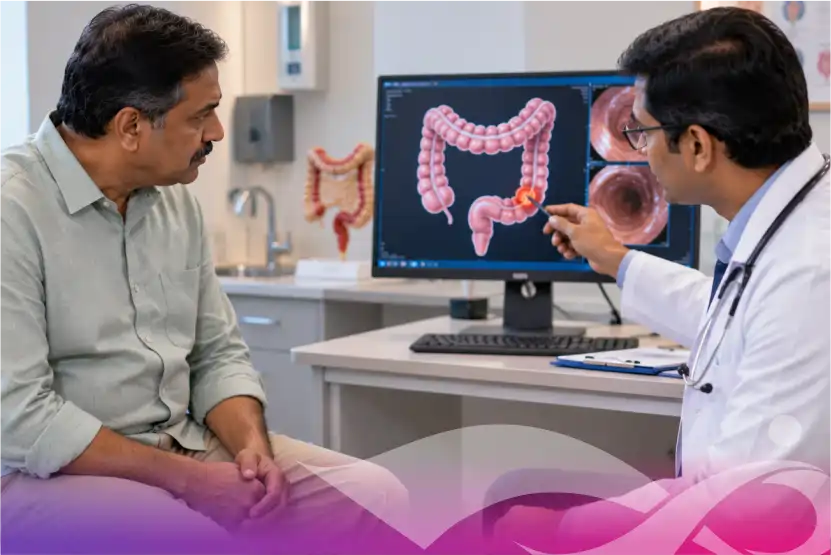
Screening is the bridge between prevention and early treatment. Cervical smears and HPV testing identify pre-cancerous cervical changes that can be treated before they become cancer. Mammography identifies breast cancer at a stage where surgical cure rates are above 99%. Colonoscopy identifies and removes colorectal polyps, the pre-malignant lesions that become colorectal cancer given enough time. Attending scheduled screenings at a specialist cancer care hospital, Delhi NCR, is not a reactive response to symptoms; it is an active cancer prevention strategy with the strongest evidence base of any single intervention on this list.
Why Professional Guidance Complements Lifestyle Change
Risk stratification understanding which cancers an individual is most at risk for based on family history, genetic testing, prior exposures, and personal health history requires clinical expertise that lifestyle guidance alone cannot provide. A specialised cancer care facility in Delhi NCR provides personalised risk assessment, tailored screening schedules, genetic counselling where indicated, and clinical management of pre-cancerous conditions identified during screening. This stage is the level at which a healthy lifestyle for cancer prevention interfaces with clinical oncology to produce the best individual outcomes.
Conclusion
The 30–50% of cancers linked to modifiable risk factors represent a real and addressable public health opportunity. Cancer precaution through sustained lifestyle change eliminating tobacco, maintaining a healthy weight, staying active, eating a plant-forward diet, limiting alcohol, protecting against UV and carcinogenic infections, and attending regular screenings is the most evidence-based investment in long-term health available. Knowing how to control cancer starts with understanding that most of these changes are cumulative and decades-long in their effect, which means the best time to start is now. For personalised risk assessment, screening guidance, and expert preventive oncology support, consult experienced specialists at a trusted cancer care hospital in Delhi NCR, as prevention is both the most effective and the most underused tool in oncology.