




28 September 2026
People often brush off changes in bowel habits as something dietary, more than they probably should. But when those changes stick around, they're worth looking into properly. Colorectal cancer in India has been on the rise in recent years, and recognising symptoms early, along with understanding what diagnosis and treatment actually involve, can genuinely shape outcomes. Whether it's a family history, an odd symptom that won't go away, or simply reaching the age where screening is recommended, knowing when to act makes a real difference here.
What Colorectal Cancer Actually Is
Colorectal cancer develops in the colon or rectum, usually starting out as small growths called polyps that can, over time, turn cancerous. Not every polyp goes on to become cancer, which is part of why regular screening matters so much plenty get removed long before they'd ever have the chance to progress. Risk increases with age, but lifestyle factors, family history, and certain inherited conditions also play a role.
Colorectal Cancer Symptoms and Risk Factors
Colorectal cancer symptoms can be fairly subtle in the early stages, which is precisely why they're so often mistaken for less serious digestive issues. Signs worth paying attention to include:
-
A persistent change in bowel habits, such as diarrhoea, constipation, or narrower stools
-
Blood in the stool or rectal bleeding
-
Abdominal discomfort, cramping, or bloating that doesn't go away
-
Unexplained weight loss
-
Fatigue that doesn't improve with rest
-
A feeling that the bowel doesn't empty completely
Risk factors include age past 45–50, a family history of colorectal cancer or polyps, inflammatory bowel disease, a diet low in fibre and high in processed meats, and inherited genetic conditions such as Lynch syndrome. People carrying these risk factors are often advised to start screening earlier than the general population.
How Colorectal Cancer Is Diagnosed
When symptoms or screening results raise a flag, diagnosis typically involves:
-
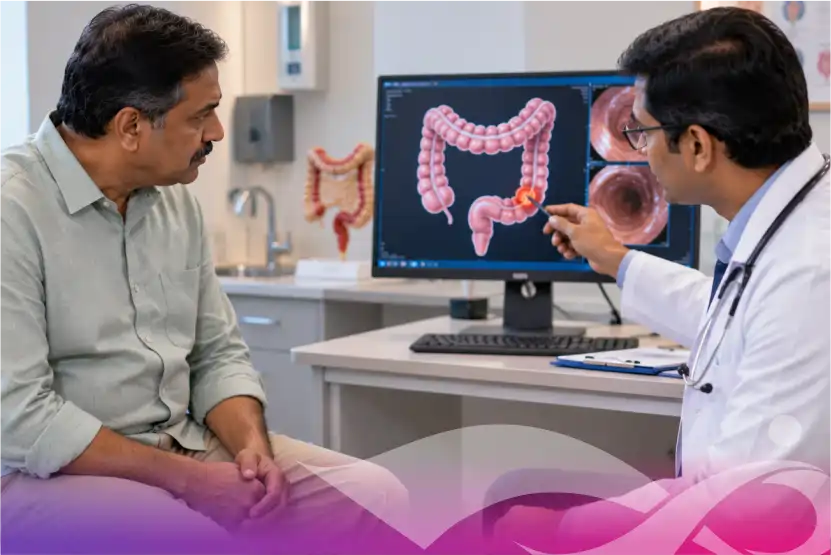
Colonoscopy, considered the most thorough way to examine the colon and remove polyps if any are found
-
Stool-based tests, which can detect blood or genetic markers associated with colorectal cancer
-
CT colonography, an imaging alternative suited to certain patients
-
Biopsy, to confirm whether a growth is actually cancerous
-
Blood tests, including tumour markers that support diagnosis and ongoing monitoring
Colonoscopy tends to stand out among these because it lets doctors remove precancerous polyps during the very same procedure potentially heading off cancer before it ever develops in the first place.
Colorectal Cancer Treatment in India: What's Available Today
Colorectal cancer treatment in India depends on the stage and location of the cancer, and it often involves more than one approach working together:
-
Surgery to remove the tumour and, in some cases, nearby lymph nodes
-
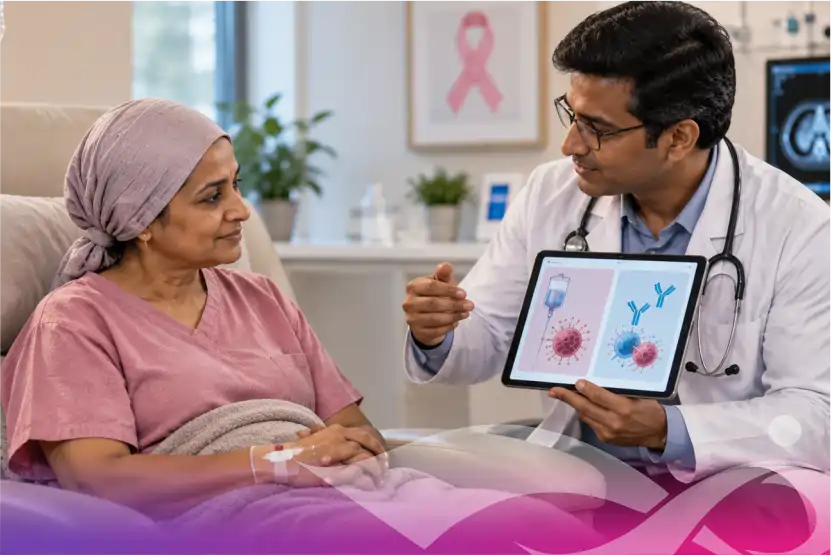
Chemotherapy, used before or after surgery depending on the stage
-
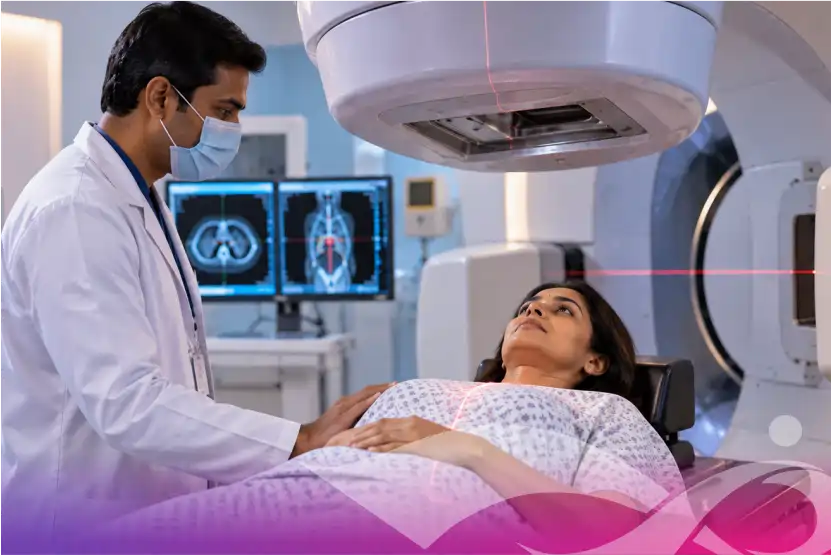
Radiation therapy, particularly common for rectal cancer
-
Targeted therapy for cancers carrying specific genetic markers
-
Minimally invasive surgical techniques, which can shorten recovery time for eligible patients
Early-stage colorectal cancer generally has a more straightforward treatment path than cancer that's already spread, which is a big part of why timely diagnosis matters so much here.
How Doctors Decide the Right Treatment
Treatment decisions depend on the tumour's location within the colon or rectum, its stage, whether lymph nodes are involved, and any genetic markers identified during testing. Choosing a colon cancer hospital that offers surgical, medical, and radiation oncology services can make it easier to move from diagnosis to treatment planning without having to coordinate care across multiple centres.
When You Should Consult a Colorectal Cancer Specialist
It's worth seeing a colorectal cancer specialist in India if you notice persistent changes in bowel habits, rectal bleeding, or abdominal symptoms that don't have an obvious explanation. Anyone past the recommended screening age, or with a family history of colorectal cancer or polyps, should also think about starting screening conversations even without any symptoms at all.
Colorectal Cancer Care at IOCI
IOCI provides colorectal cancer care in India through an integrated approach that brings together diagnostic imaging, medical oncology, surgical oncology, and radiation oncology. Cases go through IOCI's International Tumour Board, where specialists from different disciplines look at the diagnostic findings together before recommending a treatment plan, rather than each one weighing in separately. Patients who already have a diagnosis and want a further look can also access IOCI's Second Opinion service.
Conclusion
Colorectal cancer often develops slowly, which gives screening a genuine window to catch it early or even prevent it altogether. Recognising symptoms and knowing when to start screening are the most practical steps you can take to protect your long-term health. If you have symptoms or risk factors worth discussing, IOCI's oncology team, supported by its International Tumour Board, can help you decide on the next step.