




23 November 2026
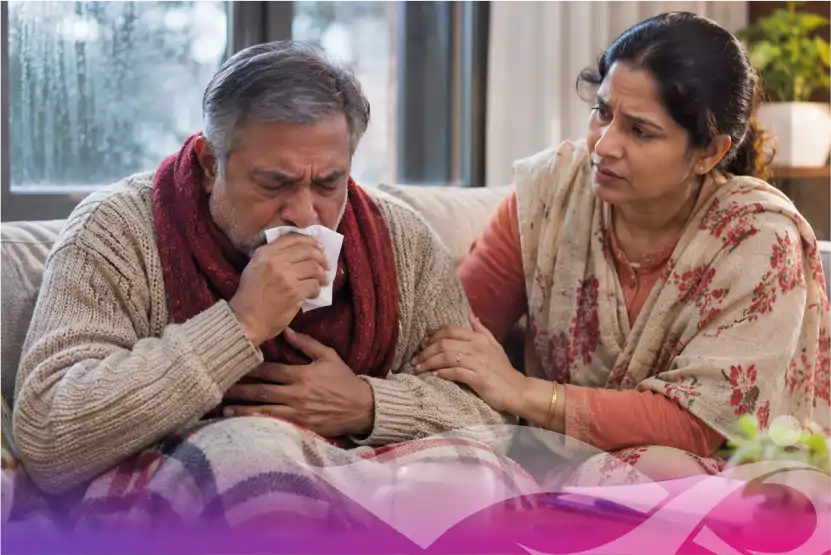
Eating well during cancer treatment is never straightforward, and winter adds its own set of complications. Reduced appetite, nausea and taste changes caused by chemotherapy often combine with the season's natural pull toward heavier, richer food, leaving patients unsure what actually helps. A cancer nutrition consultation in Noida typically addresses this gap by building a winter-specific eating plan around what the body can tolerate rather than general dietary advice.
Why Nutrition Needs Change During Winter Treatment
Chemotherapy and radiation increase the body's energy and protein requirements at the same time. They often reduce appetite and alter taste perception. Winter compounds this because cold weather naturally increases hunger for warm, calorie-dense food in healthy people, but patients undergoing treatment may not feel that same pull. Dehydration also becomes easier to overlook in winter, since reduced thirst in cold weather doesn't match the body's actual fluid needs during treatment.
Maintaining adequate nutrition isn't just about comfort. Patients who eat well through treatment tend to tolerate chemotherapy cycles better and recover strength faster between sessions.
What Should Cancer Patients Eat During Winter Treatment?
A winter diet during cancer treatment works best when built around small, frequent, nutrient-dense meals rather than three large ones.
-
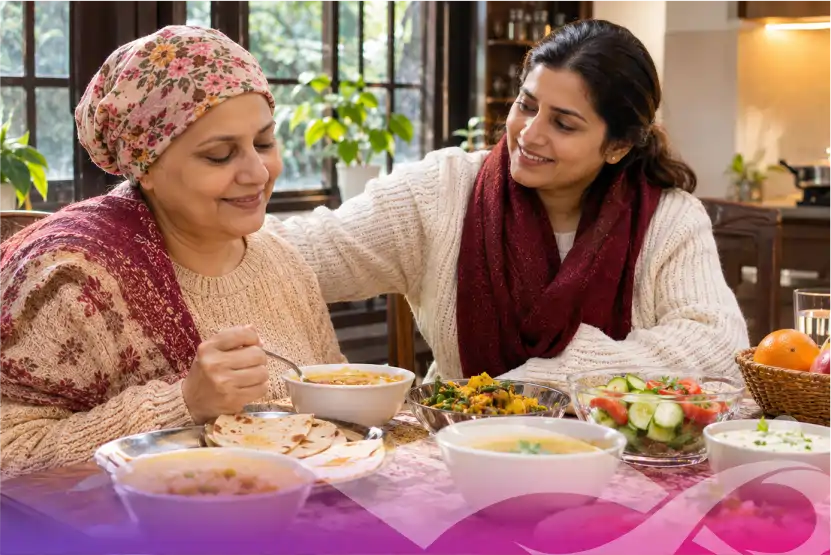
Warm soups made with lentils, vegetables or chicken, which are easier to digest and help with hydration
-
Protein sources like eggs, paneer, dal and lean meats to support tissue repair and immune function
-
Seasonal fruits such as oranges, guavas and pomegranates for vitamin C and antioxidants
-
Whole grains like oats and khichdi, which are gentle on the stomach during nausea-prone days
-
Warm herbal teas like ginger or tulsi, which can help settle mild nausea
Foods that are overly spicy, very hot in temperature, or heavily fried are generally best avoided, since they can worsen mouth sores or digestive discomfort that chemotherapy often causes.
Managing Appetite Loss and Taste Changes
Many patients describe food tasting metallic or bland during chemotherapy, which can make eating feel like an effort rather than something enjoyable. Using plastic rather than metal cutlery sometimes helps with the metallic taste, and adding natural flavour through lemon, herbs or mild spices can make meals more palatable without irritating the digestive system. Smaller portions eaten every two to three hours tend to work better than forcing full meals when appetite is low.
Weight loss during treatment should be tracked rather than assumed to be a normal side effect. A drop of more than a few kilograms over a short period usually warrants a conversation with the treating team.
Where Can Cancer Patients Get Nutrition Support During Treatment in Noida?
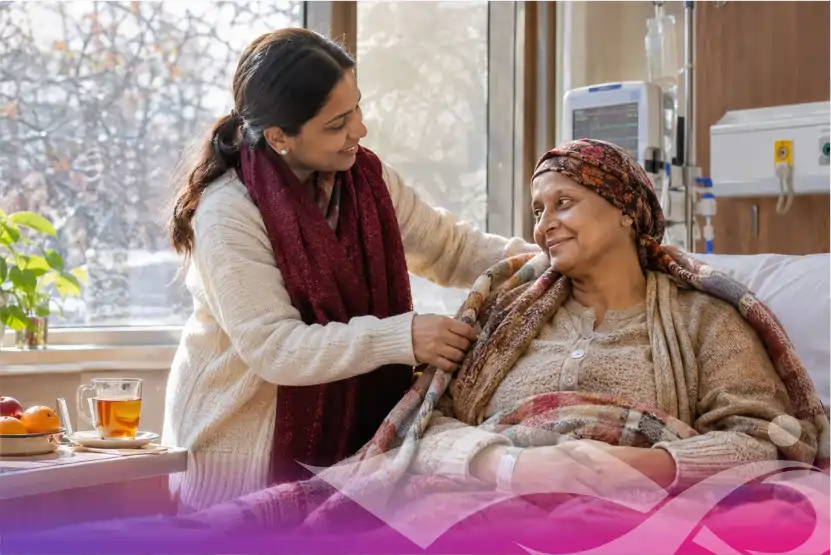
Nutrition during cancer treatment works best when it's planned alongside the oncology team rather than managed separately. IOCI, the best cancer hospital for chemotherapy in Noida, provides structured oncology nutrition support that adjusts recommendations based on the treatment phase, side effects being experienced and individual tolerance. This kind of coordinated approach tends to catch nutritional gaps earlier than general dietary advice alone.
More information on the hospital's supportive care services is available at IOCI.
Practical Tips for Winter Meal Planning
-
Keep warm water or herbal tea within reach throughout the day, since forgetting to drink fluids is common when appetite is already low.
-
Cook in smaller batches more frequently rather than preparing large quantities that sit and lose appeal.
-
Involve a caregiver in meal planning so that nutrition doesn't depend entirely on how the patient feels on a given day.
-
Avoid skipping meals even when nausea makes eating unappealing, since an empty stomach often worsens nausea rather than easing it.
Conclusion
Food choices during cancer treatment carry more weight in winter than they might at other times of the year, simply because appetite, hydration and energy needs shift together. Building meals around warmth, protein and gentle digestion, while staying in touch with the care team about appetite changes, makes a real difference to how the body copes with treatment. Oncology nutrition support in Noida remains one of the most practical resources available to patients trying to manage this balance through the colder months.