




14 November 2026
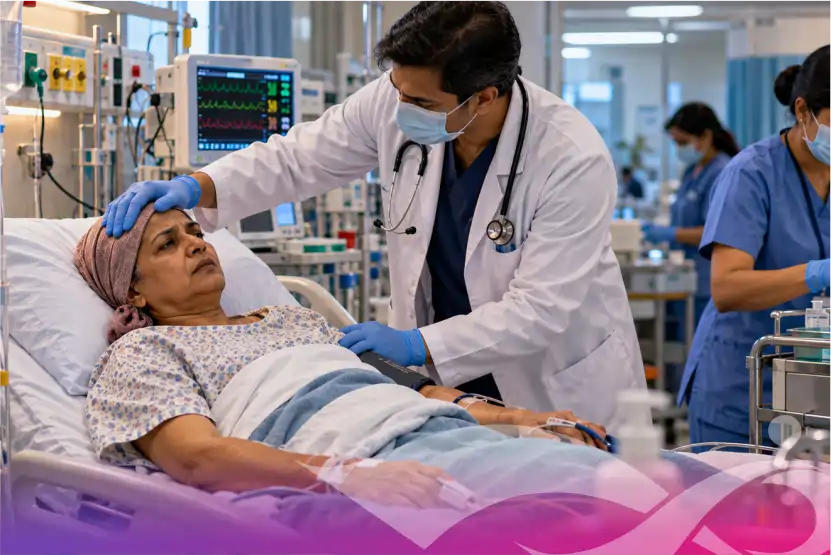
Cold weather brings a specific set of challenges for anyone undergoing cancer treatment. Lower temperatures, dry air and seasonal infections can add to the fatigue and lowered immunity that chemotherapy or radiation already causes. Understanding how cancer treatment in India is managed through winter months helps patients and caregivers prepare better and avoid unnecessary complications.
Why Winter Affects Cancer Patients Differently
Chemotherapy and radiation often reduce white blood cell counts, which directly weakens the body's ability to fight infection. Winter adds to this because viral illnesses like flu and common cold circulate more widely in cold, dry air, and the body takes longer to warm itself and heal in lower temperatures. For someone already managing cancer treatment, a seemingly ordinary seasonal infection can turn into a more serious concern much faster than it would in a healthy adult. Fatigue also tends to feel heavier in winter. Shorter daylight hours, reduced physical activity, and the body's natural tendency to conserve energy in cold weather all compound the tiredness that chemotherapy already brings. Patients frequently describe this time of year as harder to push through, even when their treatment schedule hasn't changed.
How Can Cancer Patients Stay Healthy During Winter Chemotherapy?
Staying healthy through winter chemotherapy comes down to a few consistent habits rather than any single intervention.
- Dress in layers and keep the hands and feet warm, since poor circulation during treatment can make extremities more sensitive to cold.
- Wash hands frequently and avoid crowded indoor spaces where seasonal viruses spread easily.
- Keep a humidifier running indoors if heating systems dry out the air, as this reduces throat and skin irritation.
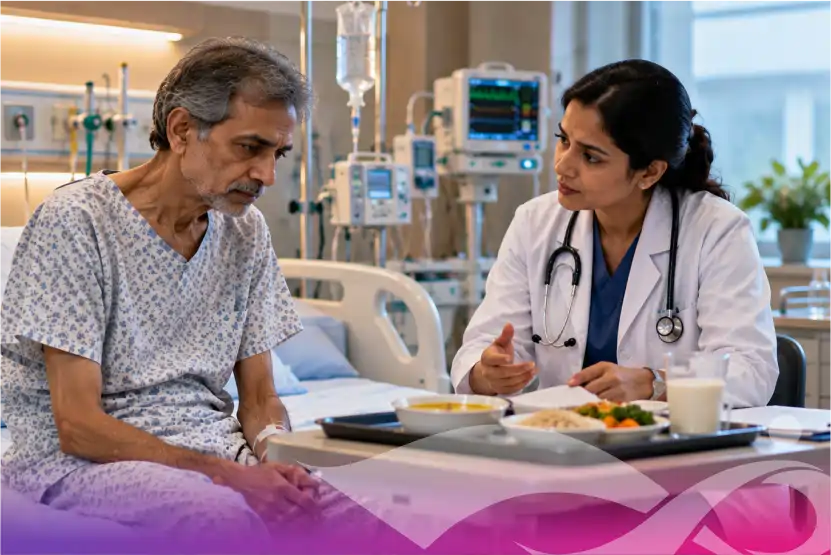
- Eat warm, easily digestible meals at regular intervals, even on days when appetite is low.
- Stay in touch with the treating oncology team about any fever, chills or unusual tiredness rather than waiting it out at home.
A cancer specialist consultation in Noida can help tailor these precautions to the specific treatment phase a patient is in, since chemotherapy schedules, radiation cycles and surgical recovery each carry slightly different warning risks.
Managing Fatigue Through the Colder Months
Treatment-related fatigue is not the same as feeling sleepy after a long day. It tends to build gradually and doesn't always improve with rest alone. During winter, patients often find it helps to maintain some light physical movement indoors, even short walks within the house, rather than becoming completely sedentary. Sunlight exposure during the warmer part of the day, when possible, also supports mood and energy levels that winter otherwise tends to dampen.
It's worth paying attention to sleep quality as well. Cold rooms and disrupted routines around the holidays can interfere with rest, so keeping a consistent sleep schedule matters more during this period than it might at other times of the year.
Recognising When Symptoms Need Medical Attention
Not every cough or chill during winter cancer treatment is cause for alarm, but certain signs should not be ignored.
- A fever of 100.4°F (38°C) or higher, particularly during a low blood count phase of chemotherapy
- Persistent shivering or chills that don't settle with warm clothing
- Breathlessness or chest tightness that develops suddenly
- Unusual confusion, dizziness, or an inability to keep fluids down
These symptoms warrant prompt contact with the oncology team rather than a wait-and-see approach, since infection risk during active treatment can escalate quickly.
Where Can I Get Cancer Treatment in Noida During Winter?
Patients looking for consistent oncology care through the winter months need a centre equipped to manage both the treatment itself and the seasonal risks that come with it. IOCI, the best cancer hospital in Noida, provides ongoing chemotherapy, radiation and surgical oncology care with attention to how seasonal changes affect immunocompromised patients. The hospital's oncology team works with patients to adjust supportive care, monitor blood counts more closely during winter, and respond quickly if infection-related symptoms appear. You can read more about the available services at IOCI, which also covers diagnostic support and multidisciplinary consultation options for ongoing treatment.
Practical Tips for Winter Treatment Support
- Keep a thermometer at home and check the temperature at the first sign of feeling unwell, rather than guessing based on how cold the room feels.
- Avoid last-minute travel plans during low blood count weeks, since exposure to crowded transport increases infection risk.
- Caregivers should also get seasonal flu vaccinations if advised to reduce the chance of bringing infections home.
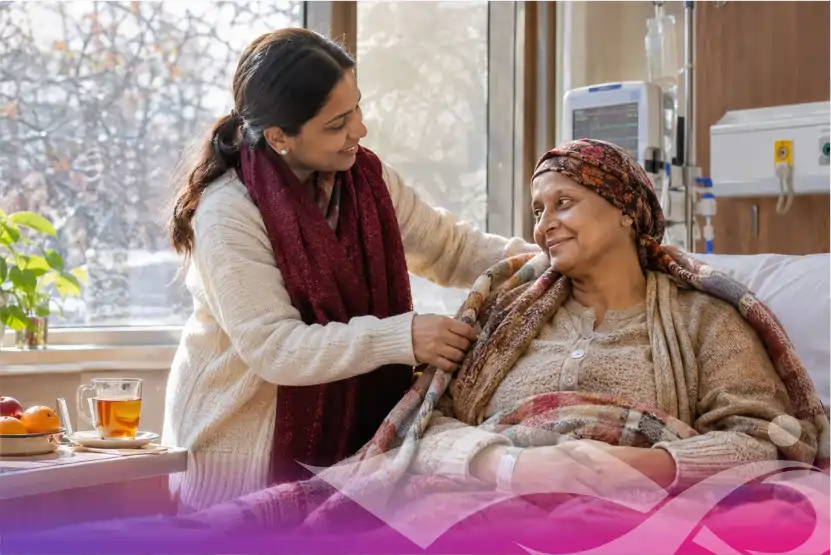
- Keep warm fluids like soups and herbal teas within easy reach, since mild dehydration can worsen fatigue.
Conclusion
Winter adds a layer of complexity to cancer care that's easy to underestimate until symptoms actually appear. Simple precautions around warmth, hygiene and rest, combined with close communication with the treating team, go a long way in reducing the risk of complications. For patients continuing cancer treatment in India through the colder months, staying alert to early warning signs matters just as much as following the treatment plan itself. Speaking with an oncology specialist before winter symptoms worsen is always a reasonable step to take.