





19 August 2026
The phrase "palliative care" makes many families uneasy, as though bringing it up means giving up hope. That's not what it means at all and clearing up that confusion matters. So, what is palliative care for cancer, really? Its care focused on comfort and quality of life, starting at any stage of treatment, not just at the end.
What Palliative Care Actually Covers
A top palliative care hospital in Noida treats this field as a specialised branch of oncology focused on managing symptoms, pain, nausea, breathlessness, and fatigue alongside whatever curative or active treatment a patient is receiving. It runs in parallel with chemotherapy or surgery, not after it stops.
The goal is straightforward: help a patient feel as well as possible while their body handles the disease and its treatment, both physically and emotionally. It's a team effort too, with doctors, nurses and counsellors working together rather than one person trying to manage every symptom alone.
What Palliative Support Actually Involves
Pain management for cancer patients often needs more than a standard painkiller, since cancer pain can come from the tumour itself, from surgery, or from treatment side effects, each needing a different approach. A palliative team adjusts medication carefully to control pain without leaving a patient overly drowsy or disconnected.
Beyond physical symptoms, supportive cancer care also addresses appetite loss, sleep difficulty, anxiety, and the emotional strain that comes with a cancer diagnosis for both the patient and their family.
How Palliative Care Is Delivered
At most centres offering oncology care in Noida, a palliative specialist works alongside the treating oncologist from early in the treatment journey, not just when curative options have been exhausted. Regular check-ins assess pain levels, appetite, sleep and mood, adjusting the care plan as needs to change. These check-ins are usually brief, sometimes just ten to fifteen minutes, but they catch small issues before they grow into bigger ones that are harder to manage.
For patients managing symptoms at home between hospital visits, palliative teams often provide guidance over calls or home visits, so families aren't left figuring out things alone between appointments.
When Palliative Care Should Actually Begin
There's a common misconception that palliative care only starts once curative treatment ends, when in reality it works best when introduced much earlier.
At the Time of Diagnosis
Even before treatment begins, a palliative consult can help manage anxiety, plan ahead for expected side effects, and set realistic expectations for the road ahead, alongside whatever curative treatment is planned.
Throughout Active Treatment
During chemotherapy, radiation or recovery from surgery, ongoing palliative input helps manage day-to-day symptoms as they arise, rather than waiting until discomfort becomes severe or unmanageable at home.
Why Choose IOCI for Palliative Support
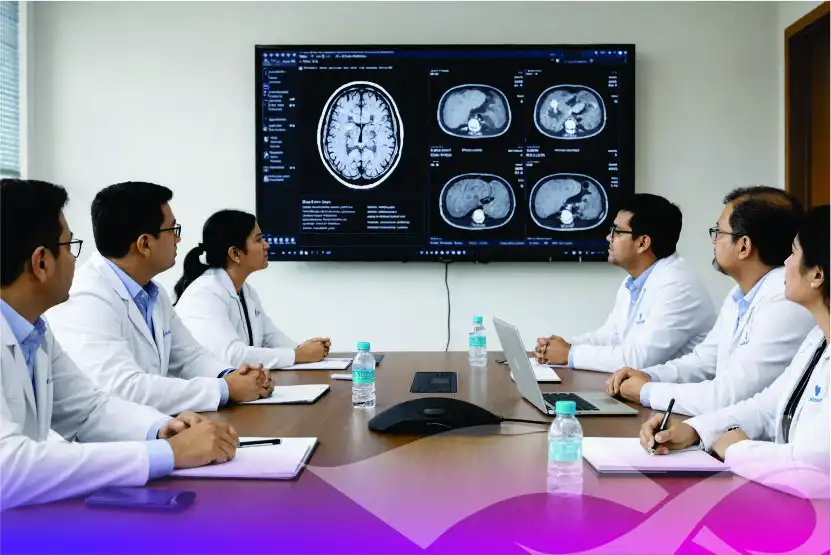
IOCI integrates palliative care into its broader tumor board approach rather than treating it as a separate, siloed service. This means pain management and symptom control get discussed alongside surgical, medical and radiation plans, so a patient's comfort is factored into every stage of treatment, not addressed only when things get difficult.
With a presence across several cities, families can access this kind of coordinated symptom support closer to home, without needing to travel to a single specialized centre.
What Families Can Do to Support the Process
A few things help families navigate palliative care well:
-
Ask the oncology team directly about starting palliative support early, not just at advanced stages
-
Keep a simple log of pain levels, appetite and sleep to share at check-ins
-
Communicate openly with the patient about what 'comfort' means to them
-
Don't hesitate to ask about home-based support between hospital visits
-
Involve the palliative team in emotional and mental health support, not just physical symptoms
Conclusion
Palliative care isn't a sign that treatment has failed. It's a sign that a patient's comfort matters just as much as fighting the disease itself. If pain, fatigue or emotional strain are weighing on you or a loved one during cancer treatment, IOCI's palliative care team in Noida is available to help reach out for a consultation and start that conversation early rather than waiting until symptoms become difficult to manage.