




30 October 2026
You finished your chemotherapy a few days ago, and tonight the thermometer shows a number higher than it should. Do you lie down and see how you feel in the morning? Take a paracetamol? Call the hospital? With fever during chemotherapy, the answer is to call. A raised temperature can be the first sign of a serious infection, especially when white blood cell counts are low, and early treatment makes a real difference. Below, we explain which temperature matters, what to do, and what happens when you reach the hospital. The oncology team at IOCI India encourages every patient to learn these steps before treatment begins.
What Is Febrile Neutropenia?
Neutrophils are white blood cells that protect the body from bacterial and fungal infections. Chemotherapy can lower their numbers, and the dip is usually deepest about 7 to 14 days after treatment. This low count is called neutropenia.
Febrile neutropenia means you have a fever and a low neutrophil count at the same time. It is treated as an emergency because infection can spread quickly when the body's defences are weak, sometimes before any other symptom shows up.
Why Does Chemotherapy Increase the Risk of Infection?
Many chemotherapy drugs affect the bone marrow, where blood cells are made. This bone marrow suppression brings neutrophil numbers down, and the body has a harder time fighting germs.
At that point, even ordinary bacteria from the skin, gut, or mouth can cause serious illness. Fever is often the only early warning, because the usual signs of infection, such as pus or swelling, may hardly appear.
At What Temperature Should a Chemotherapy Patient Call the Doctor?
Many cancer centres advise patients to contact their oncology team if the temperature reaches:
-
38.0°C (100.4°F) or higher, measured by mouth
-
38.3°C (101°F) or higher on even a single reading, which is also commonly treated as a fever needing urgent assessment
These figures can vary from one centre to another. Your own oncology team's advice comes first, so ask them for your exact threshold before treatment starts.
Signs of Febrile Neutropenia in Cancer Patients
Along with a raised temperature, watch for these signs of febrile neutropenia in cancer patients:
-
Shivering, chills or sweating
-
Breathlessness or a new cough
-
Confusion, dizziness or unusual drowsiness
-
Severe weakness or feeling suddenly unwell
-
Burning or pain while passing urine
-
Diarrhoea or vomiting
-
Redness, pain or swelling around a central line or port
Feeling very unwell without a fever, including a low temperature, also needs prompt medical attention.
What Should a Cancer Patient Do If Fever Develops After Chemotherapy?
What should a cancer patient do if fever develops after chemotherapy? Contact your oncology team or the emergency number they have given you straight away, even at night or on weekends. Do not wait to see if the fever settles. If you cannot reach your team, go to the nearest emergency department and tell staff that you are receiving chemotherapy. Carry your treatment card or recent chemotherapy details.
What Happens at the Hospital?
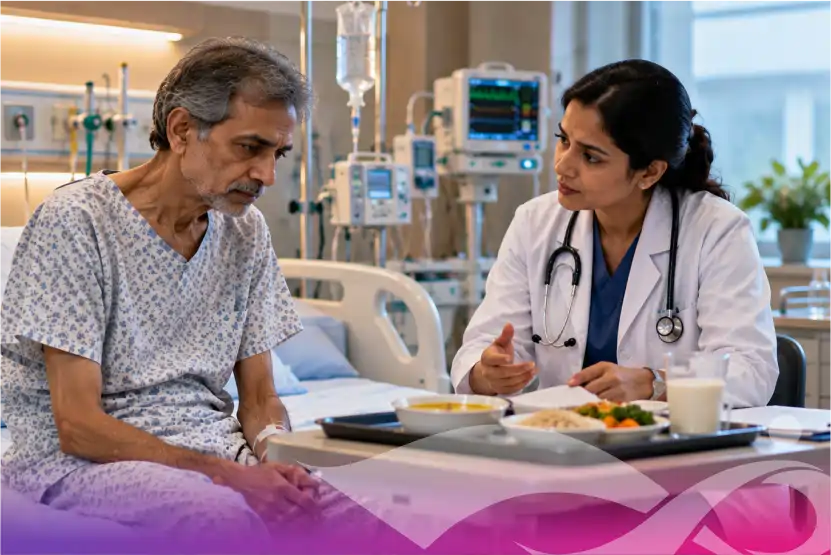
The doctors will check your temperature, blood pressure, pulse, and oxygen level. They will also examine you to look for a source of infection.
-
Blood tests show your neutrophil count and how well your organs are working.
-
Blood cultures, and sometimes urine tests or a chest X-ray, help find where the infection is.
-
If febrile neutropenia is suspected, antibiotics are usually started quickly, often within an hour, without waiting for every result.
What Should You Avoid?
-
Do not delay getting care in the hope that the fever will pass.
-
Do not take paracetamol or any other fever-reducing medicine before speaking to your team, as it can hide symptoms.
-
Do not start leftover antibiotics on your own.
-
Do not assume the fever is only a side effect of treatment.
How Can You Lower the Risk of Infection During Treatment?
Small habits add up:
-
Wash your hands often, especially before meals and after using the toilet.
-
Eat well-cooked food, and wash fruit and vegetables carefully.
-
Keep away from people who are unwell.
-
Keep any central line or port clean, exactly as you were shown.
-
Follow any other precautions your treating team has given you.
Why Consider IOCI India for Cancer Care?
When a complication strikes, families want to know help is close. Many look for an emergency cancer care hospital in India that can respond without delay.
IOCI India has a 15-year legacy in oncology care and a network of cancer centres across India. Its oncologists create personalised treatment plans, and complex cases can be reviewed through the International Tumor Board. Before your first cycle, ask your treating team at your IOCI centre for their emergency contact details.
Conclusion
A fever during chemotherapy is not something to ignore. Find out your temperature threshold before treatment begins, keep your oncology team's emergency number where you can reach it quickly, and call at the first sign of a fever or if you simply feel unwell. If you cannot get through to your team, go to the nearest emergency department. Acting early is the best way to prevent serious complications. For ongoing consultation and personalised guidance during your cancer treatment, you can connect with IOCI India. It also helps to keep a working thermometer at home and a note of your chemotherapy dates.