

26 April 2026
Introduction
Cancer has become one of the most pressing health concerns in India, touching families across every region and income level. What makes this particularly painful is that a significant portion of these cases could have been avoided. Poor diet, tobacco use, skipped screenings, and delayed doctor visits are behind a huge share of late-stage diagnoses. The ten habits outlined here are not complicated; they are just consistently ignored.
What Is Cancer?
Cancer is what happens when the body loses control over how its cells grow. Normal cells divide, function, and eventually die in an orderly way. Cancer cells do none of that, they multiply without stopping, form tumours, and over time invade surrounding tissue and organs. It can develop almost anywhere in the body. What every best cancer specialist India will tell you is that the biology of cancer is well understood, and that knowledge has led to genuine, proven prevention strategies.
Why Early Diagnosis Changes the Outcome
The stage at which cancer is found determines almost everything about the treatment that follows and the recovery that is possible. A tumour found at stage one is usually small, localised, and highly treatable. The same tumour found two years later may have spread to lymph nodes or other organs, making treatment far more aggressive and outcomes far less certain. Fear of bad news keeps too many people away from the doctor. That fear costs lives.
Top 10 Prevention Tips
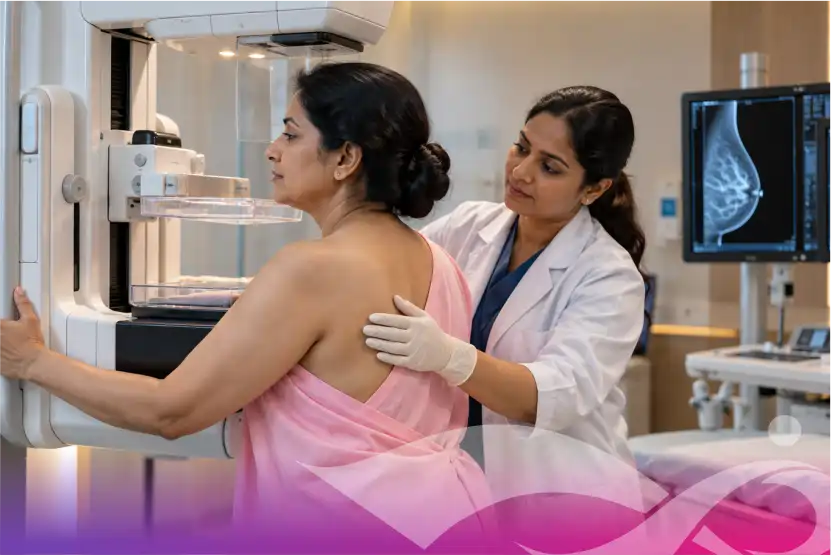
These top 10 cancer prevention tips are backed by consistent evidence and recommended by oncologists worldwide. Build your meals around vegetables, fruits, legumes, and whole grains and cut back on processed food, red meat, and sugar.
Exercise for at least 30 minutes on most days, since physical activity reduces the risk of several major cancers. Eliminate tobacco completely; it is the leading preventable cause of cancer in India. Limit alcohol to occasional use, as regular drinking raises the risk of liver, breast, and digestive cancers.
Manage your weight, because excess body fat directly increases cancer risk. Schedule routine health check-ups before symptoms appear. Get vaccinated against HPV and Hepatitis B. Protect your skin from prolonged sun exposure. Avoid polluted environments and harmful chemical exposure at work. And learn the warning signs: a lump, unexplained weight loss, persistent cough, or unusual bleeding should send you to a doctor, not a search engine.
Finding the Right Hospital
Quality of care varies enormously between facilities. When searching for a top cancer hospital near me, look beyond the brochure. Check whether the hospital has a dedicated oncology unit, tumour board reviews, access to PET-CT imaging, and experience treating your specific type of cancer. Accreditation by NABH or JCI is a reliable baseline indicator.
Treatment Options
Surgery removes cancerous tissue directly and remains the first-line treatment in many early-stage cases. Chemotherapy uses drugs to destroy cancer cells throughout the body and is often paired with surgery or radiation. Radiation therapy directs precise beams of energy at tumour sites and is frequently combined with chemotherapy for better results. Targeted therapy is the most precise tool currently available, attacking specific proteins that drive cancer growth while leaving healthy cells largely intact.
Top Hospitals in India
Tata Memorial Hospital in Mumbai is the country's most trusted cancer prevention hospital India families count on it for both screening programmes and complex treatment. AIIMS in New Delhi offers research-level oncology at government-subsidised prices. Apollo Hospitals in Chennai is known for specialists who understand how to prevent cancer India's high-risk populations face. Fortis Memorial Research Institute in Gurugram and Kokilaben Dhirubhai Ambani Hospital in Mumbai both bring experienced oncology teams and modern facilities to patients seeking serious care.
Conclusion
Prevention is available to everyone. Screening is accessible. Good hospitals exist across the country. The only thing standing between most people and a better health outcome is the decision to act and to act before symptoms force the issue.