




24 July 2026
Introduction
Most people assume cancer announces itself somehow, that there is always a symptom that tips you off before things get serious. For a meaningful number of cancers, this is simply not true. Stage 0 cancer, also called carcinoma in situ, describes cancer cells that are present but have not yet invaded surrounding tissue or spread. At this stage, there are almost never any symptoms at all. The only way to find it is to go looking, which is exactly what screening is designed to do.
Overview
Cancer staging runs from 0 to 4. Stage 0 means abnormal cells are present but confined to where they started, with no invasion into nearby tissue. This is, in a real sense, the most treatable point at which cancer can be found, because the disease has not yet had the chance to establish itself anywhere beyond its original location. Early cancer detection at this stage transforms what could become a serious, life-altering diagnosis into something far more manageable.
Benefits and Features of Stage 0 Detection
Detecting cancer at Stage 0 changes almost everything about the treatment journey.
-
Treatment is often far less invasive — sometimes localized removal alone is sufficient
-
Survival rates at this stage are extremely high across most cancer types where Stage 0 is clinically recognized
-
Recovery time and treatment duration are typically shorter
-
Long-term side effects from aggressive treatment are largely avoided
-
Psychological burden tends to be lower, since the prognosis is genuinely excellent
Cancer screening programmes exist specifically to find disease at this stage, before a person has any reason to suspect something is wrong.
Screening Methods That Detect Early-Stage Cancer
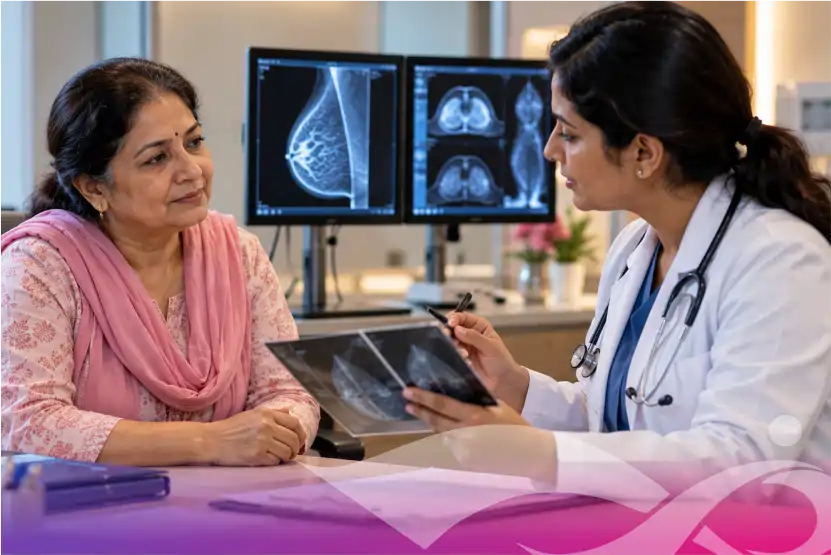
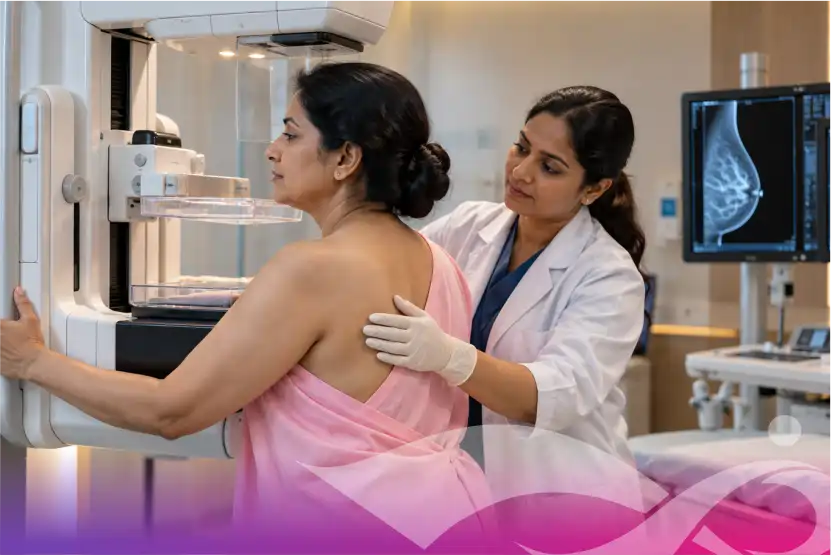
Mammography identifies abnormal breast tissue changes, including ductal carcinoma in situ, well before a lump would ever be felt.
Pap smear and HPV testing detect precancerous and very early cervical cell changes, often years before they would progress to invasive cancer.
Colonoscopy finds and often removes precancerous polyps during the same procedure, preventing colorectal cancer before it starts rather than just catching it early.
Low-dose CT scanning for high-risk individuals, particularly long-term smokers, can identify lung abnormalities at a very early stage.
Skin examination by a specialist can catch early melanoma changes that are easy to miss on self-examination.
Blood-based tumour markers and emerging liquid biopsy technology are increasingly able to flag abnormal cellular activity before any structural changes are visible on imaging.
Why Regular Cancer Checkups Matter
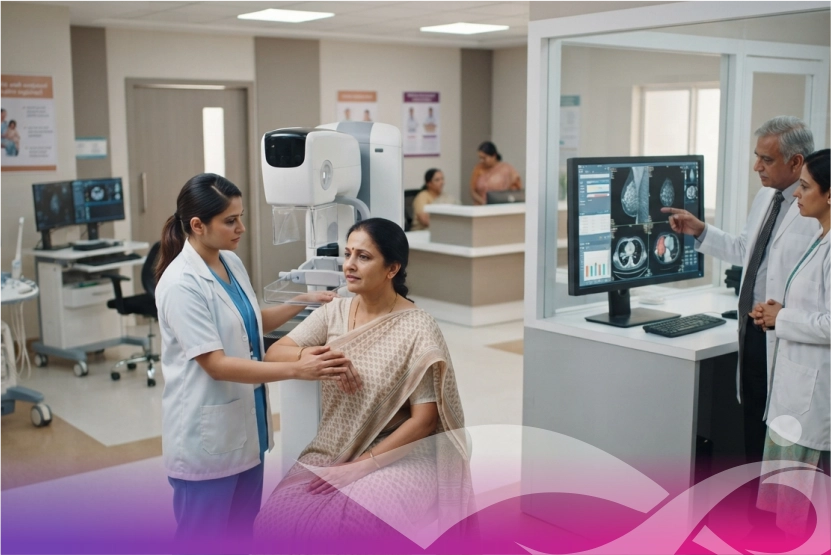
A structured cancer checkup in Noida, tailored to your age, gender, and risk profile, is the only practical way to access Stage 0 detection. Symptoms simply are not part of the picture at this stage, so waiting for something to feel wrong defeats the entire purpose. The honest reality is that by the time most cancers produce noticeable symptoms, the most favourable window for the simplest, most effective treatment has already started to close.
Tips and Expert Advice
-
Do not wait for symptoms before booking your first screening — that is the whole point of screening
-
Know the recommended starting age and frequency for your specific risk category and stick to it
-
Disclose your full family history to your doctor — it directly affects which screenings you need and when
-
Choose a cancer hospital near me that offers a genuinely comprehensive screening panel rather than a single isolated test
-
Treat an abnormal screening result as information requiring follow-up, not as an automatic cancer diagnosis — many abnormal results turn out to be benign after further investigation
Frequently Asked Questions
Q: Is Stage 0 cancer always curable? It carries excellent outcomes in the vast majority of cases, but treatment and prognosis still depend on the specific cancer type and individual factors. A specialist can give you specifics for your situation.
Q: How is Stage 0 cancer different from a precancerous condition? Stage 0 means actual cancer cells are present but confined to their original location. A precancerous condition has abnormal cells that have not yet become cancerous at all. Both are typically found through screening.
Q: Does a normal screening result mean I am completely cancer-free? A normal result is reassuring but reflects what current technology can detect at that point in time. Continuing regular screening at recommended intervals remains important.
Q: Are screening tests painful or risky? Most common screenings, like mammograms, Pap smears, and blood tests, involve minimal discomfort. Colonoscopy and biopsy carry small, well-understood risks that your doctor will explain beforehand.
Q: How often should screening be repeated if results are normal? This depends on the specific test and your individual risk profile. Your doctor will set a personalised schedule based on age, family history, and prior results.
Conclusion
Cancer does not have to be found late to be found at all. Stage 0 detection is real, it is achievable, and it depends entirely on screening rather than waiting for symptoms that, for many cancers, simply will not appear until much later. If you have been putting off a routine cancer screening because nothing feels wrong, that is precisely the situation screening exists for. Book your checkup. The best outcome comes from finding nothing, and the second-best outcome is finding something small enough to deal with easily.
Take the proactive step. Book your cancer checkup in Noida at IOCI India and get screened before symptoms ever have the chance to appear.