




23 August 2026
When someone gets a cancer diagnosis, the instinct is to want one clear answer from one trusted doctor. But cancer treatment rarely works that way, at least not at the better hospitals. So, what is a tumor board, and why does it end up being one of the most reassuring parts of the process for most families?
How Tumor Boards Work
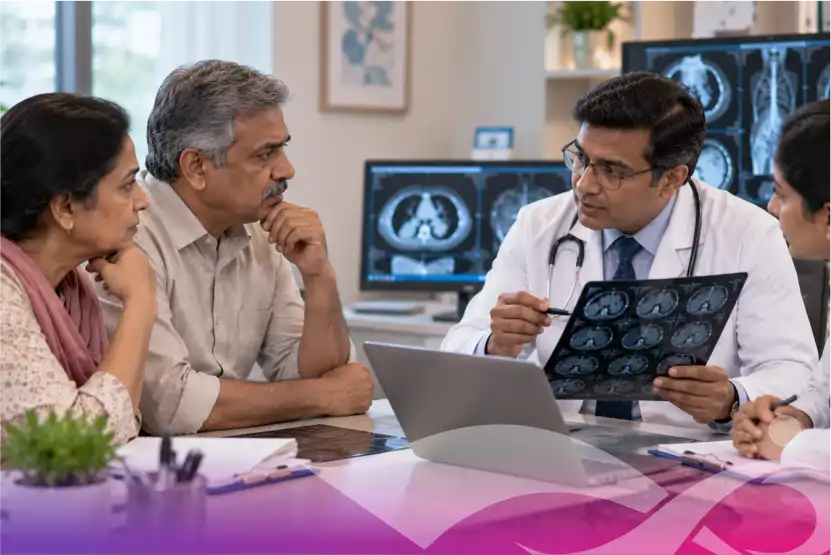
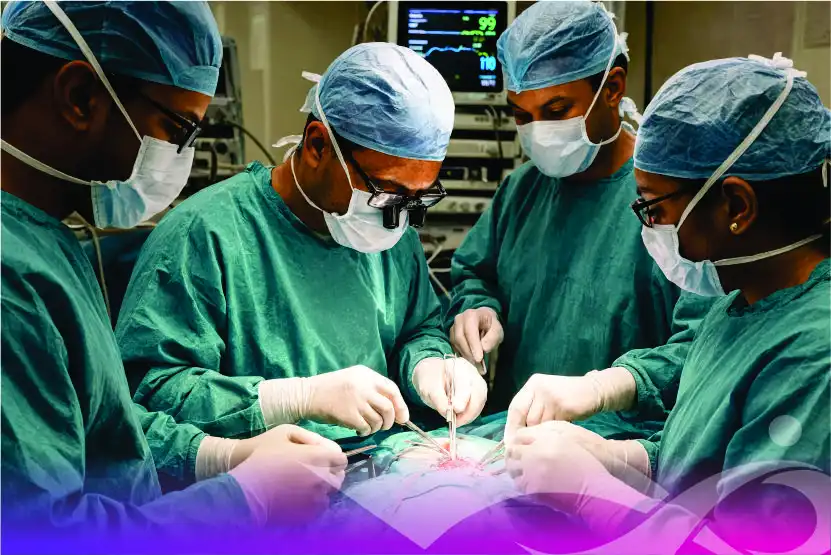
A tumor board is a scheduled meeting where a surgical oncologist, medical oncologist, radiation oncologist, radiologist and pathologist review the same patient's case together scans, biopsy reports and history all on the table at once. Instead of one specialist deciding alone, the treatment plan comes out of a shared discussion.
At a Cancer Treatment Hospital in Noida built around this model, every new diagnosis typically passes through this kind of review before a final treatment plan is confirmed. It's a shift from the older model, where a patient might visit a surgeon and then separately a medical oncologist, each offering an opinion without necessarily discussing the case with the other.
Why This Approach Actually Helps Patients
A multidisciplinary oncology hospital structure in Noida catches things a single opinion sometimes misses. A radiologist might flag something in a scan that changes the surgical approach; a pathologist detailed reading might shift which chemotherapy regimen makes sense. These small adjustments, made collectively, often improve the overall treatment strategy. Over time, this way of working also builds a kind of institutional memory specialists get used to each other's reasoning, which tends to make discussions faster and more precise for future cases too.
For patients, this process usually translates into fewer conflicting opinions and more confidence that the recommended plan has actually been debated and agreed upon, not handed down from a single consultation.
What Happens in Practice
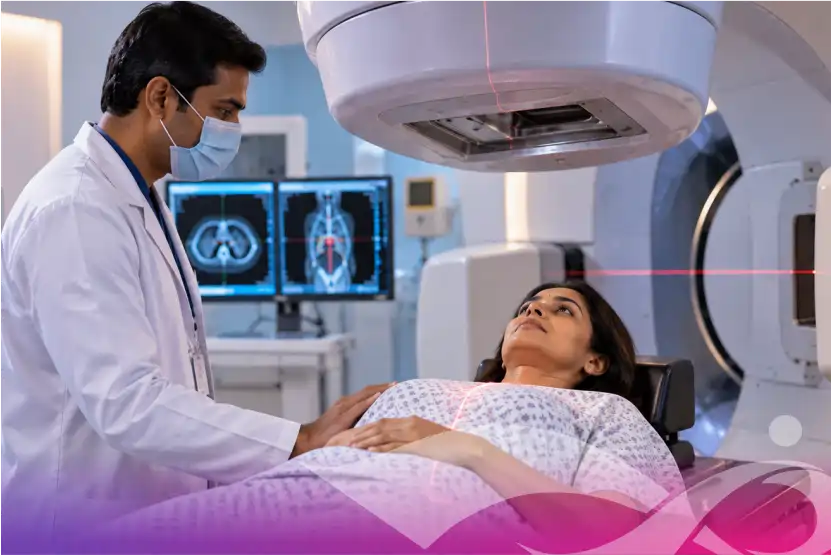
Once imaging and biopsy results are ready, the case gets presented at a tumour board hospital in Noida meeting, usually within days rather than weeks. Each specialist shares their read of the case, and together they settle on whether surgery, chemotherapy, radiation, or some combination makes the most sense and in what order.
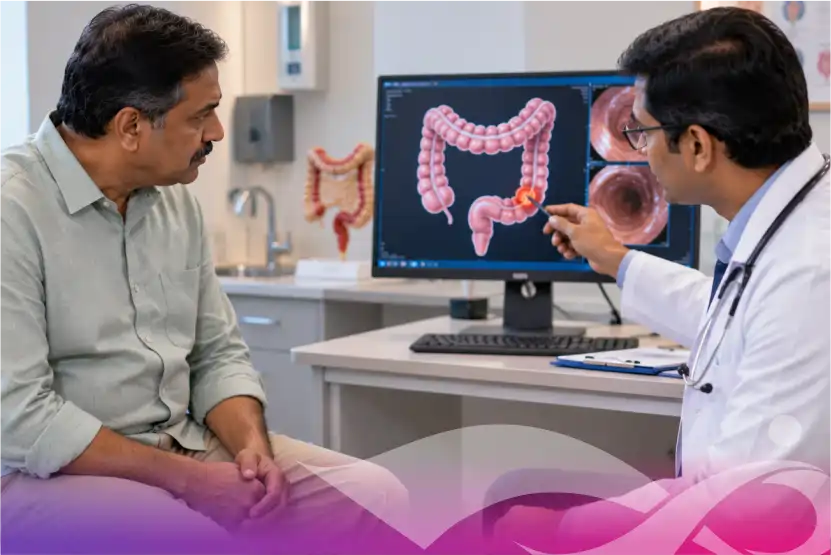
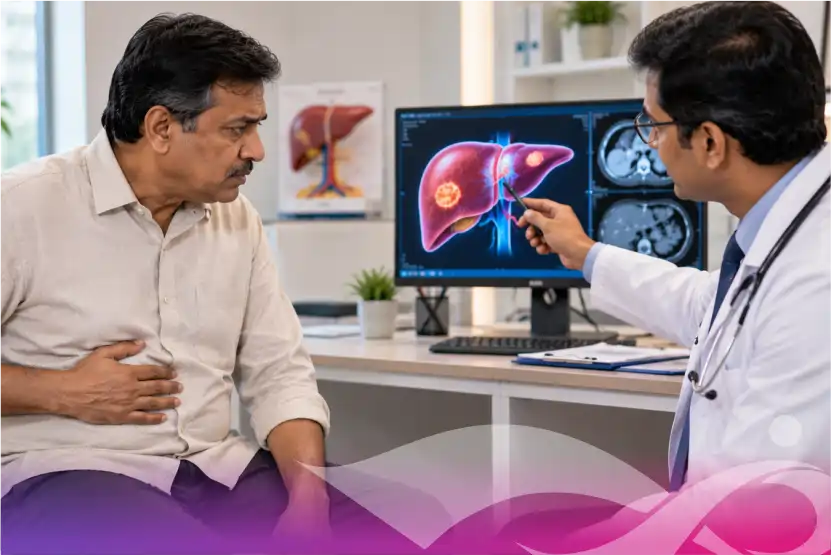
The patient then meets with their primary oncologist to go through this recommendation, ask questions, and confirm they're comfortable moving forward.
A Quick Walkthrough of a Tumor Board Case
It helps to picture how the process actually plays behind the scenes, rather than treating it as an abstract process.
Before the Meeting
Imaging, biopsy slides and lab results are compiled and shared with every specialist ahead of time, so the discussion isn't the first time anyone is seeing the case.
During the Discussion
Each specialist presents their read of the case to the radiologist on what the scans show, the pathologist on cell-level findings, and the surgeon on what's operable. Disagreements get worked through in the room, and the final recommendation reflects that collective judgement rather than a single specialist's initial impression.
Why Choose IOCI's Tumor Board Model
IOCI's International Tumor Board brings this collaborative review to every major case across its network of Cancer Specialists Hospital in Noida locations. It's part of why the institute has built its reputation over 15 years, not on any single star doctor but on a system designed, so no single opinion goes unchecked.
This structure also means second opinions are, in a sense, already built into first opinions, since the case is never reviewed by just one person to begin with.
What Patients Should Ask About Their Care
A few good questions help patients understand how their case is being handled:
-
Has my case been reviewed by a tumor board, or just one specialist?
-
Which specialists were involved in deciding on my treatment plan?
-
Were alternative treatment approaches discussed and ruled out, and if so, why?
-
How often will my case be reviewed again as treatment progresses?
-
Can I request a second opinion even after a tumor board decision?
Conclusion
A tumor board isn't just a procedural step. It's a genuine safeguard that brings several expert perspectives to bear on one person's care, rather than leaving it to a single judgement call. If you're weighing where to get treated, ask whether your case will undergo this kind of review. IOCI's multidisciplinary team in Noida is available to discuss exactly how this process would work for your situation and what specialists would be involved in your specific case.