




27 September 2026
Here's the tricky part about liver cancer. It doesn't really announce itself. Symptoms tend to show up only once the disease has already had time to progress, which is a big reason liver cancer symptoms in India are worth understanding well before they ever appear, not after. This issue matters even more for anyone already dealing with hepatitis or cirrhosis, since that group starts out at higher risk to begin with. Catching things early and having the right tests done at the right time are what keep more treatment options available later on.
What Is Liver Cancer, Exactly
At its core, liver cancer is caused by liver cells growing abnormally and forming a tumour. Hepatocellular carcinoma is the form seen most often, and it usually develops in people who already have some degree of underlying liver damage. That said, liver cancer doesn't always start in the liver; sometimes cancer spreads there from elsewhere in the body instead. Chronic hepatitis B or C, long-term heavy drinking, and cirrhosis are the names that come up again and again as leading risk factors.
Symptoms and Risk Factors Worth Knowing
Because liver cancer symptoms in India so often show up late, knowing the risk factors matters just as much as watching for symptoms themselves. Here are the key things to watch for:
-
Unexplained weight loss
-
Loss of appetite, or feeling full after eating very little
-
Pain or discomfort in the upper right abdomen
-
Swelling in the abdomen
-
Yellowing of the skin or eyes (jaundice)
-
Fatigue that rest doesn't seem to fix
-
Nausea or vomiting
If you've got chronic hepatitis B or C, cirrhosis, a history of heavy drinking, or family members who've had liver cancer, you fall into a higher-risk group, and regular monitoring, even without any symptoms at all, is usually worth keeping on your radar.
How Liver Cancer Is Diagnosed in India
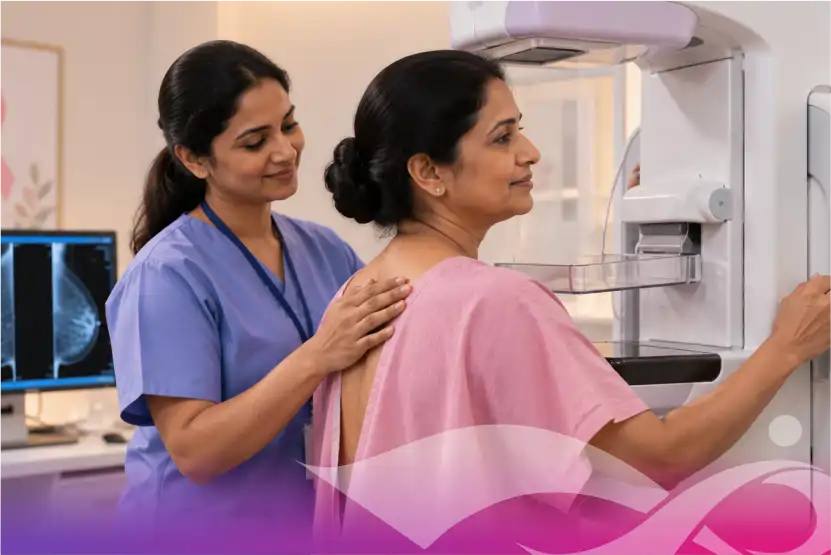
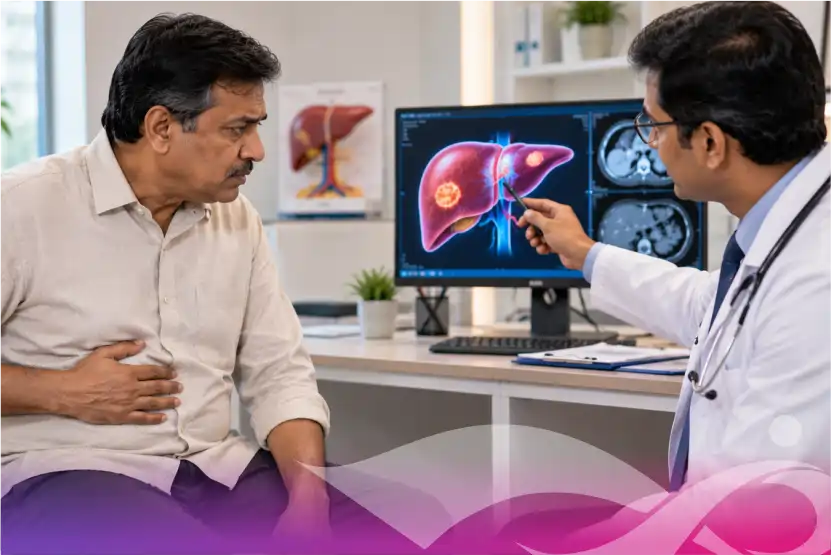
Usually, liver cancer diagnosis in India starts with imaging, an ultrasound, CT, or MRI, to look for anything unusual in the liver. Depending on what shows up, a doctor might also order:
-
Blood tests, including alpha-fetoprotein (AFP), a marker that can rise with liver cancer
-
A biopsy, when imaging alone doesn't give a clear enough answer
-
Liver function tests, to see how the liver is holding up overall
-
Further imaging, to check whether the cancer has spread anywhere else
For anyone already managing cirrhosis or chronic hepatitis, regular monitoring can sometimes detect liver cancer before symptoms appear.
What Liver Cancer Treatment Actually Looks Like
Liver cancer treatment in India hinges a lot on the size and location of the tumour and just as much on how well the rest of the liver is still working. Depending on the case, the procedure might involve:
-
Surgery, to remove the tumour where the cancer is localised and liver function allows for it
-
A liver transplant, in select cases that meet specific criteria
-
Ablation, using heat or similar targeted methods to destroy tumour cells
-
Chemotherapy or targeted therapy, mainly for cancer that's spread beyond the liver
-
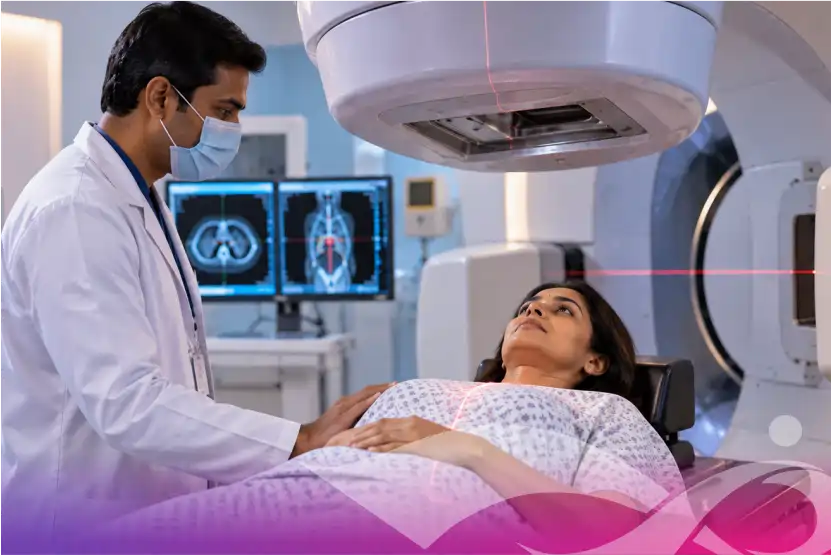
Radiation therapy, used in particular situations depending on where the tumour sits
Since liver function itself decides what's even safe to try, this whole process ends up being highly individual. There's really no template that fits everyone here.
How Doctors Land on the Right Treatment
It depends on the size and number of tumours and whether the cancer has spread, and this part is very important how well the liver underneath it all is functioning, since some treatments simply aren't an option for patients with serious liver damage already. That's precisely why these cases usually go through a multidisciplinary review rather than resting on one doctor's opinion alone.
When You Should See a Liver Cancer Specialist
If you've got chronic hepatitis B or C, cirrhosis, or a family history of liver cancer, it's worth talking to a liver cancer specialist in India, symptoms or not. And if you're dealing with unexplained abdominal pain, jaundice, or fatigue that just won't go away, that's worth getting checked without putting it off any longer.
Liver Cancer Care at IOCI
IOCI approaches liver cancer through an integrated setup of diagnostic imaging, medical oncology, surgical oncology, and radiation oncology, all working from the same case file rather than in separate silos. Every case goes through IOCI's International Tumour Board, where specialists sit down with the imaging, liver function results, and biomarkers together before settling on a treatment path. For anyone who already has a diagnosis or treatment plan and wants a second opinion, IOCI's Second Opinion service is also available.
Conclusion
Liver cancer has a way of progressing quietly, which is why staying aware of risk and keeping up with monitoring matters so much for anyone with existing liver issues. Catching it early, and matching treatment to both the cancer and the liver's overall condition, tends to keep more doors open down the line. If you've got risk factors or symptoms worth talking through, IOCI's oncology team, backed by its International Tumour Board, can help point you toward the right next step.