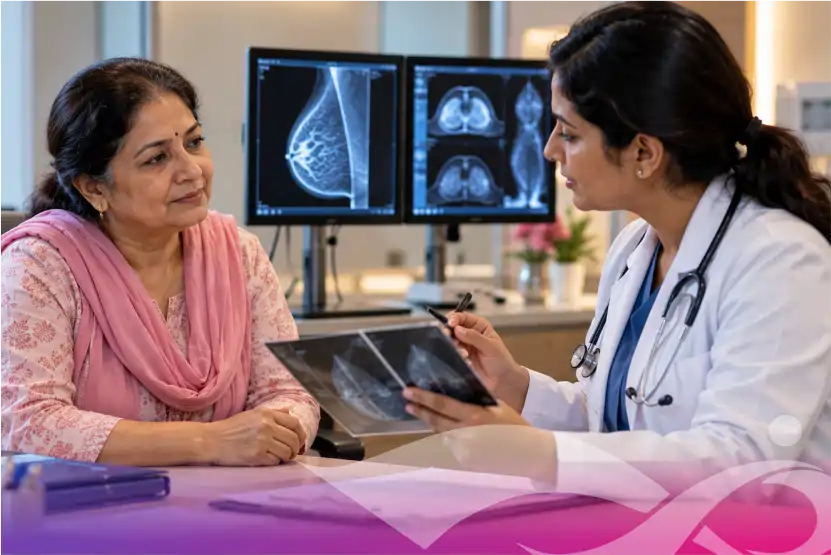
A cancer diagnosis in an older parent or grandparents brings a specific kind of worry: will their body handle treatment at all? It's a fair concern, and one worth addressing directly rather than avoiding. So, how is cancer treated in older adults, and what should families actually expect from the process?
Why Age Changes the Approach
Geriatric Oncology in Noida exists precisely because treating cancer in an 80-year-old isn't the same as treating it in a 40-year-old, even for the identical cancer type. Age brings other health conditions, slower recovery, and sometimes reduced organ function, all of which affect how aggressive doctors can pursue treatment.
This doesn't mean older patients get less effective care. It means the plan is built around what their body can actually tolerate well, rather than following a one-size-fits-all protocol. In fact, many older patients do very well with treatment once it's properly matched to their overall fitness rather than avoided out of caution alone.
What Makes Cancer Treatment Different for Elderly Patients
Cancer treatment for elderly patients often starts with a broader assessment than just the tumour itself, checking heart and kidney function, current medications, nutritional status, and even mobility and cognitive function. This helps the oncology team judge how well a patient will tolerate chemotherapy, surgery, or radiation.
Sometimes this means a lower chemotherapy dose or choosing surgery over a more prolonged treatment course, or vice versa, depending entirely on the individual's overall health rather than age as a number alone.
How Treatment Decisions Get Made
An oncology hospital in Noida experienced in geriatric cases typically involves a geriatrician alongside the usual tumor board specialists for older patients, adding a perspective focused specifically on how treatment will affect daily functioning and quality of life, not just tumour response. This combined input often changes the practical details of a plan, like choosing an outpatient chemotherapy schedule over one requiring extended hospital stays, purely because it fits better with an older patient's daily life and support system at home.
Family involvement tends to matter more here too, since decisions often weigh not just survival statistics but how a patient wants to spend their remaining years, something only the family and patient can really answer together with the medical team's guidance.
Cancers That Are More Common with Age
Age itself is one of the strongest risk factors for cancer overall, and a couple of types show up especially often in older patients.
Prostate and Breast Cancer
Prostate cancer risk rises sharply after 65, and many cases grow slowly enough that treatment intensity is carefully matched to life expectancy and overall health rather than pursued aggressively by default. Breast cancer risk in women also climbs with age, making continued screening important well past midlife.
Colorectal and Lung Cancer
Both of these become considerably more common after 65, and symptoms like fatigue or breathlessness are sometimes mistaken for ordinary ageing, which is precisely why routine screening matters even when nothing feels obviously wrong.
Why Choose IOCI for Geriatric Cancer Care
IOCI's tumor board approach naturally extends to older patients, bringing in relevant specialists to weigh treatment intensity against what a patient's body can genuinely handle. This coordinated review helps avoid both under-treatment, dismissing a real chance at recovery due to age alone and over-treatment, which can cause more harm than benefit.
With centres across several cities, families don't have to manage this kind of specialised, coordinated care from far away; it's available closer to home.
Tips for Families Supporting an Older Loved One
A few things genuinely help families through this process:
-
Bring a complete list of current medications and existing health conditions to every appointment
-
Ask directly how age and other health issues are factoring into the recommended treatment plan
-
Involve the patient in decisions about their own care as much as they're able to participate
-
Watch for signs of confusion, weakness or appetite loss during treatment and report them promptly
-
Arrange practical support for appointments, medication schedules and daily activities during treatment
Conclusion
Age alone should never decide whether someone gets a real chance at effective cancer treatment. It should simply shape how that treatment is planned. If you're navigating a cancer diagnosis for an older family member, IOCI's geriatric oncology team in Noida can help build a plan suited to their specific health and needs. Get in touch for a consultation and bring the whole family into that first conversation.