




13 February 2026
When Pain in the Back or Ribs Doesn’t Feel Like Ordinary Strain Anymore
With many people who are later told they have Multiple Myeloma, the story doesn’t start with a dramatic incident. It often begins with back pain, or pain in the ribs or hips, that feels like posture, long working hours, or age catching up. Some describe it as a dull nagging ache. Some say it feels heavy, as if the body has lost a little strength. They rest. They take pain medicines. It becomes better for a few days… then comes back again. And slowly, they realise this pain has stayed longer than expected.
When the Pain Stops Behaving Like Muscle Soreness
After some time, the pain becomes more fixed to one area instead of shifting around. Bending or turning in bed hurts more than usual. Some people feel pain in the ribs after a small jerk or cough. Others feel tenderness in the spine when standing for long. Fatigue comes in quietly. The body feels weaker than before. Minor illnesses feel harder to recover from. Each of these, by itself, still looks like routine tiredness or work-related strain. But when the same pain keeps returning to the same spot… when it becomes sharper… when it interferes with movement — it starts sounding closer to recognised myeloma symptoms than ordinary muscular discomfort. In real consultations, doctors pay attention not only to where the pain is — but to how long it has stayed, and whether weakness, tiredness, or repeated infections have started appearing alongside it. The body often speaks through persistence before it speaks through intensity.
Why Many People Wait Before Getting Checked
Back pain is common at every age. So most people try home remedies, massage, physiotherapy, stretching, painkillers — and then wait. Some continue working through the discomfort. Some believe it is stress or age. Some worry about what tests may reveal, so they postpone the visit. This hesitation is common — especially in early bone marrow cancer — because the symptoms don’t feel alarming in the beginning. They simply blend into daily life. Only later does the pattern become obvious.
When the Body Begins Insisting More Clearly
With time, the pain becomes more localised and more intense than expected for the amount of strain. Small movements trigger discomfort. Getting out of bed or climbing stairs feels harder. In some people, a fracture happens after a minor fall or everyday movement — something that normally shouldn’t cause a break. These changes don’t arrive all at once. They build slowly, until one day the pain no longer feels like “just back pain.” At that point, evaluation becomes important — not to jump to conclusions, but to understand what the bones are trying to say.
How Diagnosis Usually Moves Ahead in Clinic
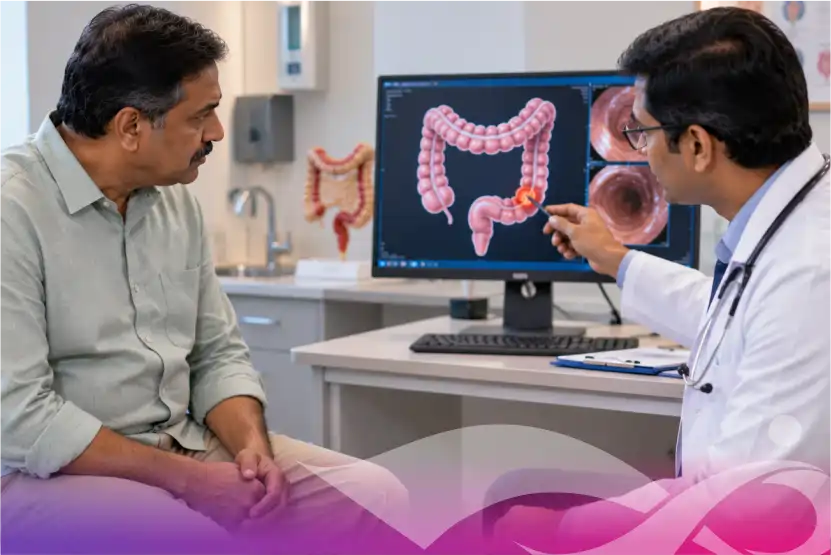
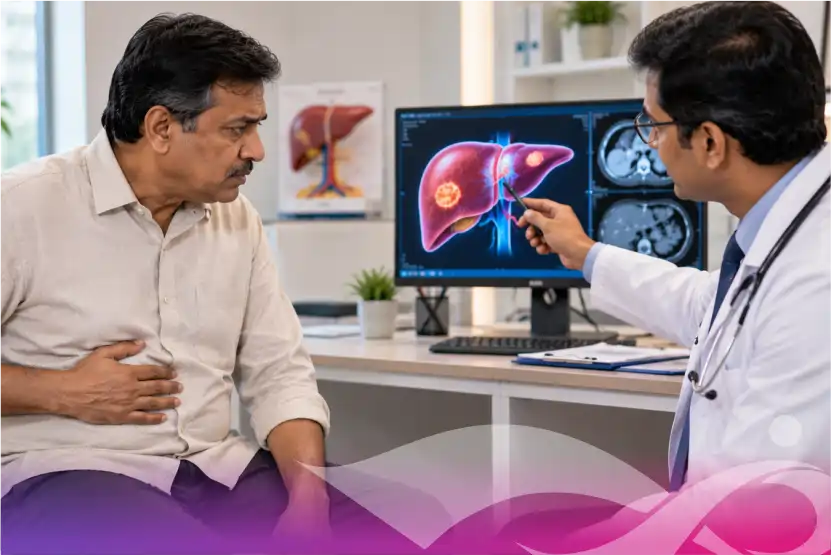
Doctors begin by listening to the story of the pain — how it started, how it changed, what makes it worse — and then examine the areas that hurt. Imaging helps assess bone strength and whether there are weak spots. Blood tests and specific markers may suggest abnormal cell activity. In some cases, bone marrow studies are advised to confirm the nature and extent of disease before planning multiple myeloma treatment. Diagnosis is not only a report or label. It is an understanding of how the illness behaves, what organs are involved, and what treatment direction is realistic and safe — because two people with similar pain can still need very different care plans. Care has to fit the person, not just the disease.
How Treatment Decisions Are Taken
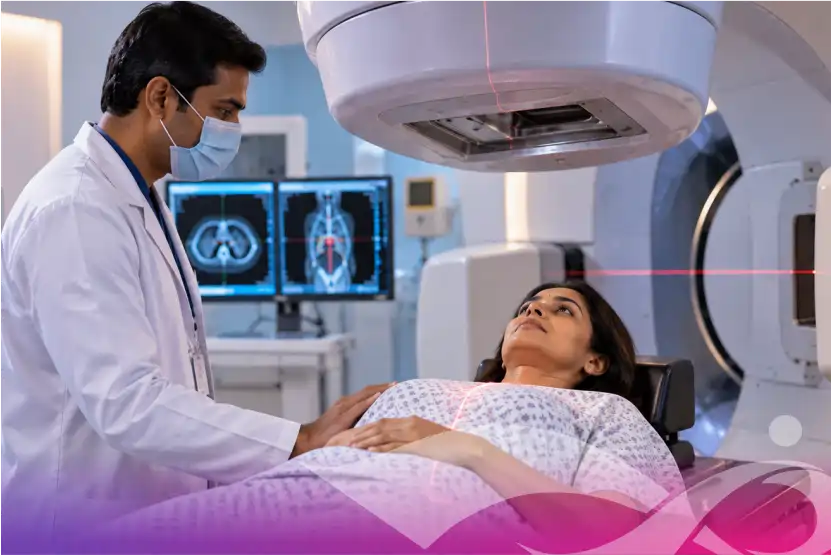
Depending on findings, treatment may include systemic therapies, medicines that protect bone strength, radiation for painful areas, or carefully planned combinations. These decisions are usually discussed within a multidisciplinary team so that pain relief, long-term control, safety, and day-to-day function are all considered together. Conversation remains a central part of care — what the diagnosis means, what treatment may feel like, how life will change during recovery, and what kind of support will be needed at home and at work. Healing here is physical — and emotional — and deeply personal.
The Thoughts Many Patients Keep to Themselves
Persistent bone pain brings quiet worries — about independence, family responsibilities, finances, and the future. Most people don’t say these feelings aloud, but they carry them. Once things are explained clearly, step by step, fear becomes lighter and decisions feel steadier. Clarity itself becomes part of treatment.
When Should Someone Seek Specialist Evaluation?
A person should seek medical review if bone or back pain lasts for weeks, keeps returning to the same spot, worsens with mild movement, or appears along with weakness, fatigue, repeated infections, height loss, or fractures after minor strain. These signs do not always mean cancer — but when they persist or evolve, they should not be ignored. At IOCI, myeloma care is centred on early recognition of warning patterns, accurate diagnosis, thoughtful stage-appropriate planning, and compassionate support for patients and their families through every stage of treatment and recovery.
Consult us at any of our locations across IOCI Noida, Greater Noida, Mumbai, Indore, Chh. Sambhajinagar, Agartala, Saharanpur, Kanpur and Jodhpur.