




30 May 2026
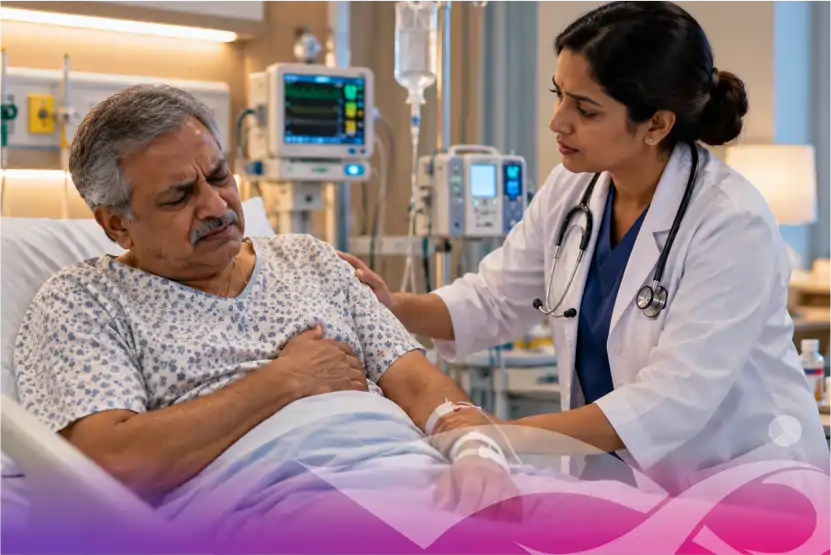
Nobody is ready for it. A child gets sick. Fever that does not break. Tiredness that sleep does not fix. A bruise that appeared from nowhere. You take them to a doctor expecting a prescription and leave with a referral to an oncologist. The word 'leukaemia' lands, and everything shifts. Most parents at that moment know almost nothing about what comes next, and they need to know. Blood cancer in children India is the most diagnosed childhood cancer category in the country, which means experienced specialists exist, treatment protocols are established, and outcomes for children caught early are genuinely better than most parents in that initial shock believe. Read this before the fog sets in.
What Is Actually Happening in the Body
Leukaemia is not a tumour. Nothing grows in a single location that a surgeon removes. It is a disease of the bone marrow, the tissue inside bones that manufactures every blood cell in the body.
When leukaemia starts, one type of white blood cell begins dividing without the signals that normally tell cells to stop. These abnormal cells multiply rapidly, filling the bone marrow and spilling into the bloodstream. As they accumulate, they crowd out the red blood cells, platelets, and working immune cells the body depends on.
That crowding is what produces every symptom a parent notices because when healthy blood cells cannot be made in sufficient numbers, the body shows it.
Two types account for most childhood cases. Acute lymphoblastic leukaemia (ALL) represents around 80 per cent of childhood diagnoses. It is also the type with the strongest treatment outcomes when caught and treated properly. This is less common and treated differently. The distinction between them is made in the laboratory, not the clinic. Their symptoms overlap almost completely.
The Symptoms — And Why They Get Missed
Leukaemia symptoms in children in India are genuinely easy to miss in the early stages because they look like an ordinary childhood illness. Every child gets fevers. Every child gets tired. Every child falls and bruises.
What separates leukaemia from ordinary illness is not the individual symptom it is the pattern. Symptoms that persist beyond what an ordinary infection produces. Symptoms that recur after appearing to resolve. Multiple symptoms appearing together over weeks without a clear explanation.
Fever and infections that keep coming back: a child who falls sick far more often than peers, whose infections last longer than they should, or who develops infections that healthy children typically do not get. The immune system is failing because functional white blood cells are being displaced.
Tiredness and paleness that do not improve: not the tiredness after a long day, but the tiredness that persists across days and weeks regardless of rest, combined with a paleness that other people comment on. Red blood cell production is insufficient.
Bruising without a matching injury: Bruises in locations that do not make sense for the child's activity. Petechiae are tiny flat red or purple dots on the skin from bleeding under the surface appearing on the legs, feet, or stomach. Platelet production has dropped.
Bone pain and reluctance to walk: Leukaemia cells pack into bone marrow and create pressure. Children describe it as leg pain, back pain, or joint pain. A child who has started limping, refusing to walk, or waking at night with limb pain alongside anything else on this list needs to be seen.
Swollen glands that do not shrink: lumps in the neck, armpit, or groin that appear without a current infection and remain for several weeks.
Appetite dropping and weight going down: sustained reduction in eating across weeks, visible weight loss in a child who was growing normally before.
Two or three of these together, lasting more than two to three weeks, is enough reason to go directly to a top paediatric oncology hospital in India this week and not wait for a second ordinary paediatric opinion.
What Diagnosis Looks Like
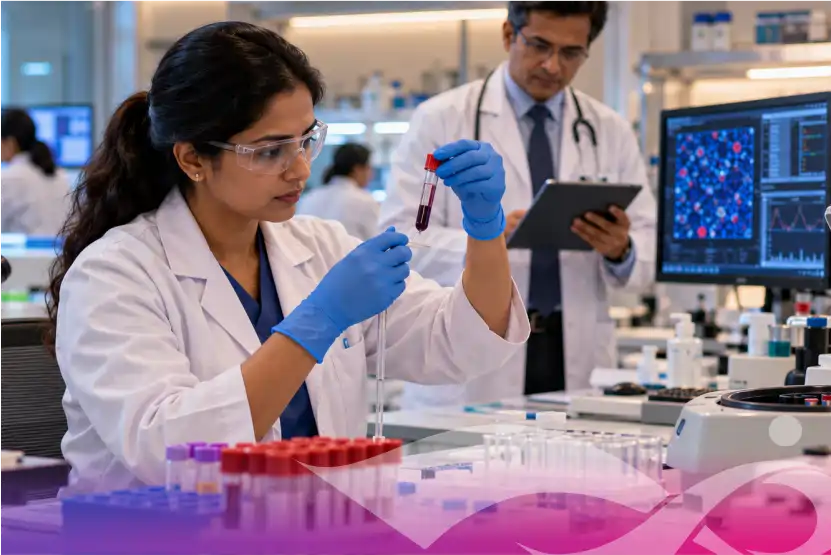
A complete blood count is the first test it measures levels and appearance of all blood cell types. Abnormal findings send the investigation to bone marrow.
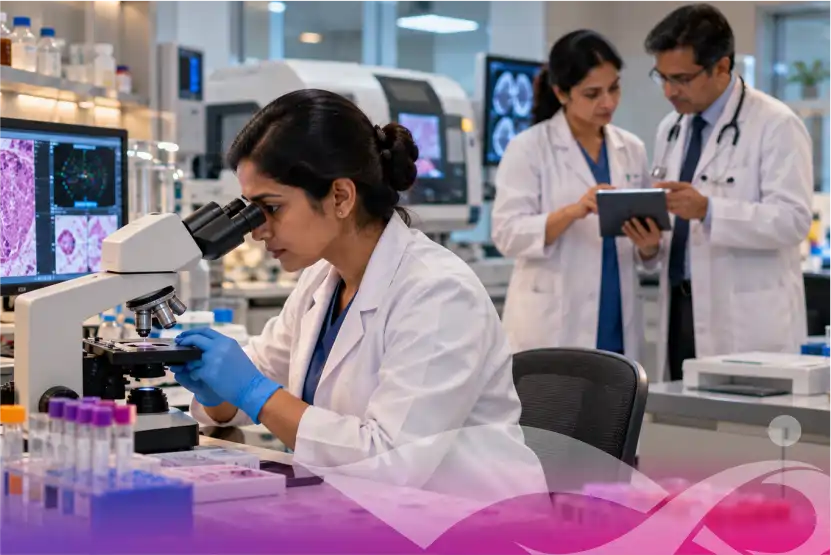
Bone marrow examination is the definitive procedure. Under sedation, a sample is taken from the hip bone. A pathologist analyses it microscopically and molecularly, confirming or excluding leukaemia, identifying the type, and characterising the genetic subtype of the leukaemia cells. This genetic information determines how aggressively treatment needs to proceed.
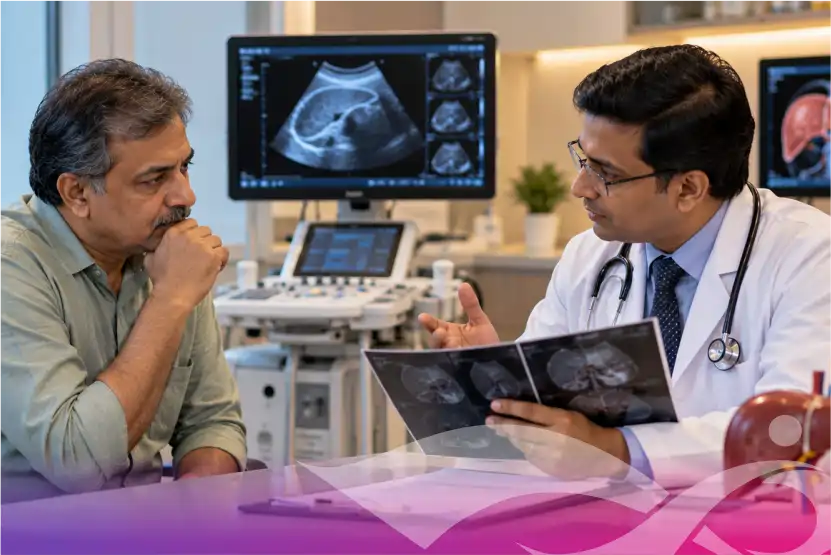
Additional tests, imaging to assess organ involvement and lumbar puncture to check whether leukaemia has reached the fluid around the brain and spine, complete the picture before treatment planning begins.
What Treatment Involves
All treated at a specialised centre with current protocols achieve long-term remission in over 80 per cent of children. That number would have been unimaginable forty years ago. It is the result of decades of systematic improvements in how the disease is understood and treated.
Chemotherapy runs in phases across two to three years for ALL. Induction achieves remission. Consolidation clears residual disease. Maintenance prevents relapse. Each phase uses different drug combinations.
Targeted therapy uses drugs designed around specific molecular vulnerabilities in certain leukaemia subtypes. Children with particular genetic mutations in their leukaemia now respond to targeted agents that produce better outcomes with less toxicity than chemotherapy alone achieves.
CAR-T cell therapy and immunotherapy have changed what is possible for relapsed cases. A child's own immune cells are engineered to recognise and destroy leukaemia cells specifically. Children who had exhausted all other options have achieved remission through this approach.
Bone marrow transplant replaces the diseased blood-forming system with healthy donor marrow. It is used for high-risk ALL, most AML presentations, and relapsed cases where chemotherapy cannot produce lasting remission.
What to Look for in a Hospital
Childhood leukaemia treatment runs for years. The facility needs to be built around children specifically, not a general oncology department where paediatric patients are treated alongside adults using adapted adult protocols.
Ask whether paediatric cases go through a multidisciplinary tumour board before treatment starts. Ask whether the oncologists have dedicated paediatric training. Ask how families are kept informed across years of treatment, not just at diagnosis.
A top paediatric oncology hospital in India answers these questions directly. One that cannot is communicating something important about what its paediatric oncology actually looks like in practice.
IOCI — What Families Find Here
At IOCI, blood cancer in children in India is treated within a dedicated paediatric oncology program. The team has specific experience across ALL and AML, including high-risk cases, relapsed disease, and transplant eligible presentations.
Every case goes through multidisciplinary review. Families receive staged, honest communication, not a single, overwhelming diagnosis conversation followed by silence until the next appointment.
The care at IOCI runs across the full treatment timeline. Years of chemotherapy, phase transitions, side effect management, school reintegration, and family psychological support are all part of what paediatric oncology at IOCI means in practice, not what it aspires to mean. Patients might want to think about going to a specialised oncology centre with a wide range of experts.