





31 March 2026
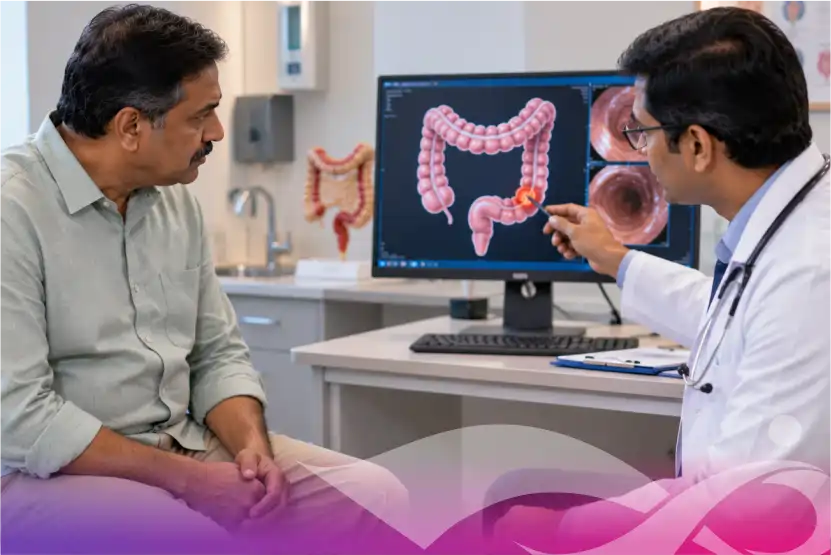
Most of us have been there, something feels off, but life is busy, and it is easier to wait and see. A stomach ache fades. Tiredness is blamed on work. An irregular bathroom trip gets written off as something you ate. But some of these small, easy-to-dismiss changes are your body's way of waving a flag. Knowing When To See Doctor For Colon Cancer symptoms is not about being paranoid. It is about being switched on enough to act before a small problem becomes a serious one. Colon cancer rarely announces itself loudly, at least not at first. That is the danger. It can grow steadily while you feel, for all practical purposes, perfectly fine. Which is precisely why the people who catch it early are usually the ones who paid attention to subtle shifts and did not talk themselves out of getting checked.
The Signs Worth Taking Seriously
Your gut has a rhythm. You know what is normal for you. So when that changes and stays changed that is the moment to pay attention. Constipation or diarrhea that drags on for more than a week or two, especially if it keeps returning without explanation, is not something to shrug off. Some people notice they never feel quite empty after a bowel movement, no matter how many times they go. Blood in the stool is one of the signs people most commonly find ways to explain away. Haemorrhoids, they tell themselves. Something spicy they ate. And sometimes that is true. But blood whether bright red or a darker, almost black colour needs a doctor's eye on it, not a self-diagnosis from a quick internet search. Cramping in the lower abdomen that comes and goes, low energy that sleep does not fix, and dropping weight without any change in diet or exercise are all part of the same picture worth taking to a professional. Knowing when to go to the doctor for colon cancer comes down to one honest question: has something changed, and has it stayed changed? If yes, go get it checked. That is genuinely all the reasoning you need.
Stop Waiting for It to Get Worse
There is a particular kind of logic that convinces people to wait. Wait until it gets worse. Wait until you are sure. Wait until you have time. The problem is that colon cancer does not wait with you. By the time symptoms become severe enough to feel undeniable sharp, consistent pain, significant weight loss, real weakness, blood appearing regularly the disease has often had far more time to develop than anyone would want. If blood shows up in your stool more than once, book an appointment that week. If your toilet habits have shifted and it has been two weeks or more, do not keep telling yourself it will sort itself out. These are not reasons to panic. They are reasons to act. Fear of bad news is the most common reason people delay. But here is the reality: finding out early, even if it is something serious, gives you options. Waiting until there are no good options left is the outcome worth being afraid of.
Early Detection Is the Difference That Actually Matters
Ask any oncologist what changes outcomes most in colon cancer, and the answer is consistent: Early Detection Colon Cancer, When the disease is caught before it spreads beyond the colon wall, treatment is far more straightforward, less physically demanding, and far more likely to succeed. Survival rates at stage one are dramatically better than at stage three or four. This is not a technicality. It is the single most important variable in the whole equation. A colonoscopy that takes an afternoon, or a simple stool test, can reveal something at a stage where it can be dealt with cleanly. The same cancer found two years later, after it has quietly spread, is a completely different conversation. The tools available for detection are not complicated or frightening. They are routine. What is frightening is letting something treatable go undetected because getting a test felt like too much effort or too much worry.
Screening in India More Accessible Than You Think
Colon cancer used to be relatively uncommon in India. That has changed. Rates have climbed steadily over the last twenty years, driven by shifts in diet, more desk-based work, and an ageing population. The good news is that cancer screening India infrastructure has grown to match. Major cities now have well-equipped facilities offering the full range of colorectal screening, and awareness campaigns have made the conversation more mainstream than it was a decade ago. If you are over 45, screening is worth discussing with your doctor even if you have no symptoms. If colon or rectal cancer has appeared in your immediate family, that conversation should happen sooner your risk is meaningfully elevated, and earlier checks are standard medical advice in that situation. Connecting with top cancer doctors near me who have real experience in gastrointestinal cancers makes a genuine difference. Not just for diagnosis, but for understanding your individual risk, deciding what screening schedule makes sense, and having someone in your corner who knows this area thoroughly.
Do Not Put This Off
Health is one of those things that tends to feel like it can wait until tomorrow. Until it cannot. Colon cancer is not inevitable, and for most people who catch it early, it is not a death sentence. But it requires action. It requires you to notice something and follow through instead of filing it away for later. Understanding when to see doctor for colon cancer is not medical expertise ,it is just common sense applied to your own body. You know what is normal for you. Trust that knowledge. When something shifts, act on it. Get checked, get informed, and give yourself the best possible chance while that chance is still wide open. One appointment could change the entire trajectory of what comes next. That is worth more than the hour it takes to make it.