





06 February 2026
When the Itch Just Doesn’t Behave Like a Normal Itch Anymore
With many women who are later told they have Vulvar Cancer, the story starts very quietly. No dramatic beginning. Just itching. Irritation. A small rough patch. Sometimes a tiny lump. It looks like infection or sweat rash or allergy. So it feels harmless. They apply cream. It settles for a while. Then it comes back. Same place. Same itching.Life continues. The body keeps repeating the same signal.
When the Change Doesn’t Leave… It Just Stays There
After a few weeks, sometimes months, the pattern becomes clearer. The itching is constant instead of on and off. The skin looks thicker or different in colour. A sore area appears that refuses to heal. The small lump doesn’t disappear. Sometimes there is burning while passing urine because the skin is sore. Sometimes intimacy hurts.Each sign, alone, still looks like “skin problem.” What makes doctors listen closely is not just the symptom. It is how long it has stayed. Whether it keeps coming back in the same spot. Whether it is slowly changing. That is when it starts sounding like vulvar cancer symptoms, not simple irritation. Duration tells the truth before pain does.
Why Women Don’t Always Talk About It Early
This is a private part of the body. Many women hesitate. Some feel shy. Some think it will get better by itself. Some worry about examination. A few blame hygiene or age. Days pass. Weeks pass. This is very common in illnesses related to female genital cancer. Not because women ignore themselves, but because these symptoms live in a very personal space. By the time it “feels serious,” it has usually been there for a while.
When the Body Finally Starts Insisting
Slowly, the patch turns harder. The sore does not heal. The lump grows a little. Bleeding or discharge may appear from the same area. The skin becomes tender. Sitting, walking, or intercourse start to hurt more than before. Sometimes the groin feels swollen because lymph nodes react. None of this happens overnight. It creeps into daily life. And then suddenly it feels out of place. That is the point where examination is not about fear. It is about answers.
What Usually Happens in the Clinic
The doctor listens. Asks how long it has been there. Looks carefully at the skin, its colour, the borders of the lesion, whether nearby skin or lymph nodes are involved. A small biopsy is taken to know exactly what it is before even talking about vulva tumor treatment. Diagnosis is not just the name. It is understanding whether it is slow or fast, small or spreading, and what choices are safest. Two women can have similar-looking skin changes yet need completely different plans. Stage, age, health, priorities all matter.
How Treatment Decisions Are Actually Made
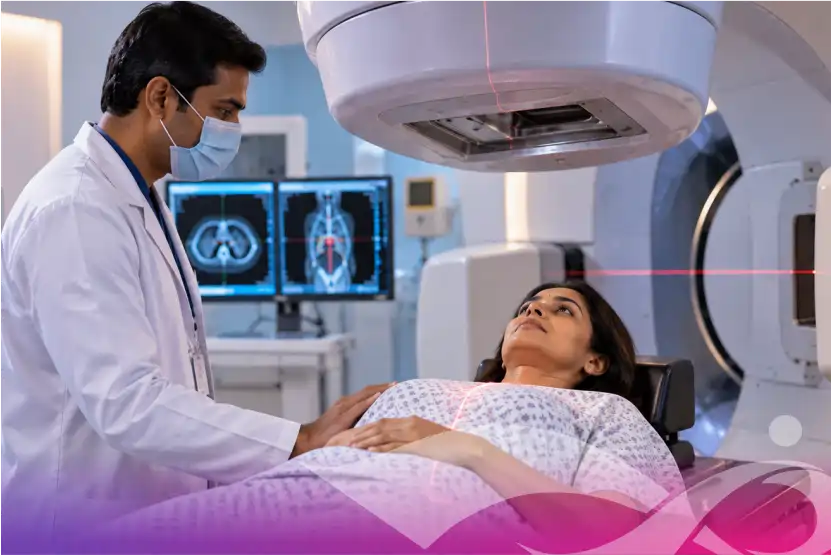
Depending on what is found, treatment may involve surgery, radiation, medicines, or a mix. Discussions usually happen in a team, not by one person, so cancer control, comfort, appearance, sexual health and emotional wellbeing are all considered together. Just as important as treatment is honest conversation. What will change. What won’t. What recovery will feel like. Questions women usually don’t ask out loud, but always think. Healing here is not only skin. It involves identity, closeness, confidence in one’s own body.
The Part That Hurts the Most but Is Rarely Spoken
Many women worry silently. Will I look the same. Will my partner see me the same. Will intimacy change. Will I feel like myself again. A lot of this never gets spoken, but it is heavy. Gentle explanations and clear plans remove a lot of fear. Step by step, the mind settles, not just the body.
When Should Someone Actually See a Specialist
If there is itching that keeps returning to the same place, a sore that does not heal, thickened or discoloured skin, a lump on the vulva, burning, pain during intercourse, bleeding or discharge from the affected patch, and it has stayed for weeks — it should be checked. These do not always mean cancer. But when they stay or keep changing, they must not be ignored. At IOCI, care for vulvar cancer focuses on early recognition, accurate diagnosis, thoughtful stage-appropriate planning, and compassionate support for women and their families throughout treatment and recovery.
Consult us at any of our locations across IOCI Noida, Greater Noida, Mumbai, Indore, Chh. Sambhajinagar, Agartala, Saharanpur, Kanpur and Jodhpur.