





29 March 2026
Surgery for Colorectal Cancer What Patients Should Know
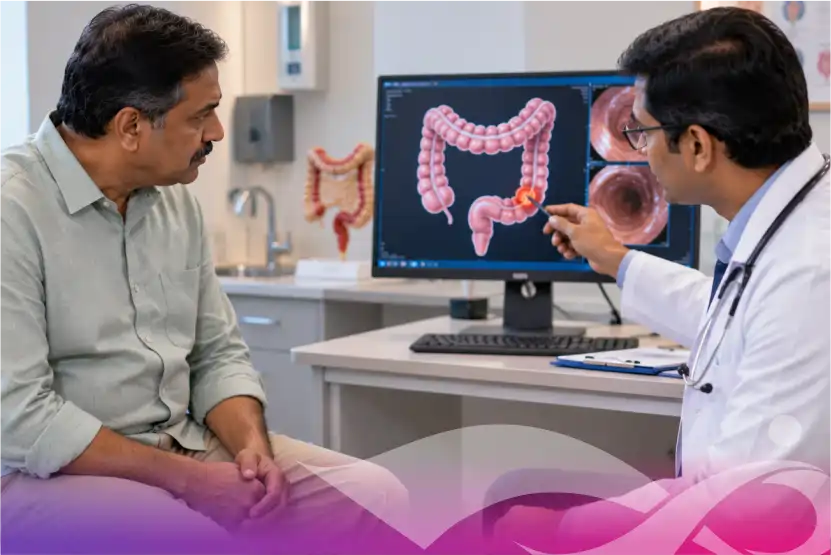
Surgery is not a word anyone wants to hear. Pair it with cancer and the anxiety that follows is completely understandable. But for most people diagnosed with colorectal cancer, surgery is not something to fear; it is the most direct route toward getting the disease out of the body. What Colorectal Cancer Surgery actually involves depends on the individual, where the cancer sits, how far it has gone, and what the patient's overall health looks like going in.
What Happens During Surgery
The basic objective is to remove the section of colon or rectum where cancer is present, plus a border of healthy tissue around it. That border is not optional; it is what reduces the chance of cancer cells being left at the edges. Early-stage cases often involve a limited removal. The affected section comes out, the two ends of the bowel are rejoined, and recovery starts. More advanced cases may require removing a larger portion. Some patients will have a stoma, an opening in the abdomen where waste exits into a bag. Temporary in some cases, permanent in others. It sounds alarming before it happens. Most patients adjust better than they expected, particularly with proper support from the hospital team.
Keyhole or Open: What Is the Difference
Laparoscopic surgery uses small incisions and a camera. The surgeon works while watching a screen. Recovery is faster, hospital stays are shorter, and post-operative discomfort is generally lower than with open surgery. Open surgery uses a single larger cut and is used when the tumour's position or size makes the laparoscopic approach difficult or unsafe. It remains the right call in certain situations; the choice is based on what the case actually needs, not on what sounds less invasive.
How the Plan Gets Put Together
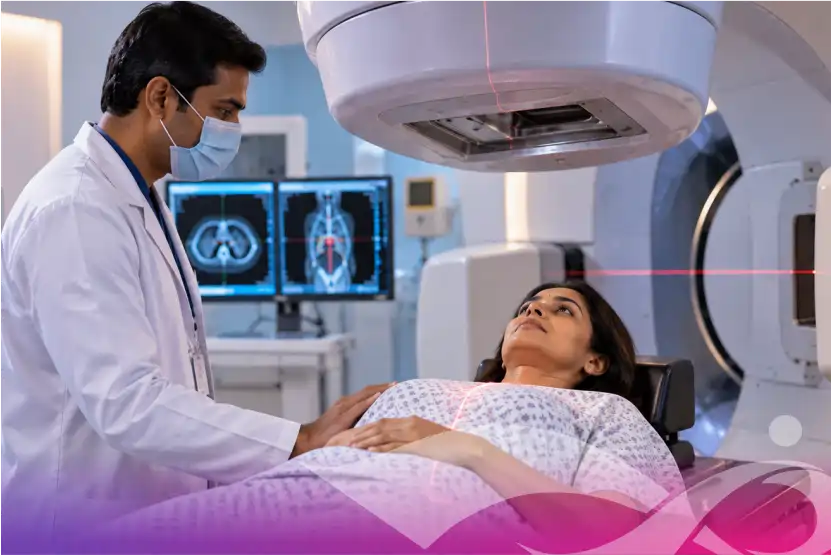
No surgeon decides the approach alone. Every case goes before a team of oncologists, radiologists, pathologists, and surgeons who review it together and agree on the best path forward. The stage of cancer is the main driver. The patient's age, fitness, and other health conditions all feed into the decision too. Surgery is frequently combined with chemotherapy or radiation, sometimes before the operation to shrink the tumour, sometimes after to reduce recurrence risk.
Surgery in India
Colon cancer surgery in India has improved substantially over the past ten to fifteen years. Investment in surgical oncology infrastructure across major cities has been significant, and it shows in what hospitals now offer. Top Cancer Surgeons In India, across Mumbai, Delhi, Chennai, Hyderabad, and Bengaluru, they regularly handle complex colorectal cases using laparoscopic and robotic techniques. The standard of care at leading Indian hospitals is genuinely strong. The cost is far lower than comparable treatment abroad not because quality is compromised, but because that is simply how healthcare is priced here. Access outside major cities remains limited. Many patients still arrive late because symptoms were dismissed earlier or specialist care was not nearby.
Recovery
Bowel cancer surgery recovery does not follow a fixed timeline. Most patients spend several days in hospital. Walking starts early usually within the first day or two because movement supports healing and reduces complications. Bowel habits change after surgery and take time to settle. Diet needs careful management in the early weeks. Energy stays lower than normal for a while, and that is expected. Follow-up appointments matter. Scans, blood tests, and check-ins at scheduled intervals are how doctors catch anything that needs attention before it becomes a problem. The emotional side is real. Anxiety after surgery is common. Talking to a counsellor or connecting with others who have been through it makes a genuine difference. Colorectal cancer surgery is not easy, but it works. With the right team, proper aftercare, and realistic expectations about recovery, most patients come through it and move forward with their lives.