




31 May 2026
A cancer diagnosis arrives, and immediately the pressure to act starts building. The oncologist has a plan. The family wants treatment to begin. Every day of delay feels dangerous. In that environment, the idea of stopping to ask another doctor what they think feels like hesitation, and hesitation feels like risk. It is not. A cancer second opinion in India is one of the most evidence backed decisions a patient can make, and the data on how often second opinions change diagnosis, staging, or treatment recommendations is not marginal. It is significant enough that leading oncology institutions worldwide encourage it as standard practice rather than an exception. Here is what patients and families need to understand about how it works and why it matters.
How Often Second Opinions Actually Change Things
Studies from major cancer centers consistently show that second opinions result in meaningful changes, revised diagnoses, altered staging, different treatment recommendations, or identification of a clinical trial option in somewhere between 20 and 40 per cent of cases depending on cancer type and complexity.
That is not a small number. For every five patients who seek a second opinion, one or two of them receive information that changes what happens next in their treatment.
The reasons vary. Pathology interpretation reading biopsy samples is not purely objective. It requires trained judgement that can differ between pathologists, particularly for rare tumours or borderline cases. Staging can be interpreted differently depending on which imaging is available and how it is read. And treatment recommendations legitimately vary between oncologists based on their experience, the protocols their institution uses, and their familiarity with newer options that may not yet be standard everywhere.
None of this means the first oncologist was wrong or incompetent. It means cancer is complex, and multiple expert perspectives produce better information than one.
When to Seek a Second Opinion
When the diagnosis involves a rare or unusual cancer type. Rare tumours require pathologists and oncologists who have seen enough cases to exercise real judgement. A specialist with fifty cases of experience in a particular sarcoma type brings something fundamentally different to the reading of that biopsy than one who sees it once every few years.
When the recommended treatment is aggressive and irreversible. Before a major surgery, before a treatment that will affect fertility, before a protocol that carries significant long-term consequences confirming that this is the right path from a second independent expert is straightforward due diligence.
When current treatment is not producing the expected response. A plateau in treatment response, or progression despite what the protocol predicted would work, is a clinical signal worth having reviewed by fresh eyes.
When something about the diagnosis or plan does not feel right. Patient instinct in these situations is not irrational. It is often pattern recognition that something was not fully explained or does not add up and that warrants clarification.
When the patient simply wants certainty before beginning. Confidence in the treatment plan is itself clinically valuable. Patients who understand and believe in their treatment follow it more consistently and communicate more openly with their care team.
What a Second Opinion Actually Involves
A second opinion cancer hospital in India with proper infrastructure does not simply offer a second consultation with another oncologist. It conducts a structured review of everything relevant to the case.
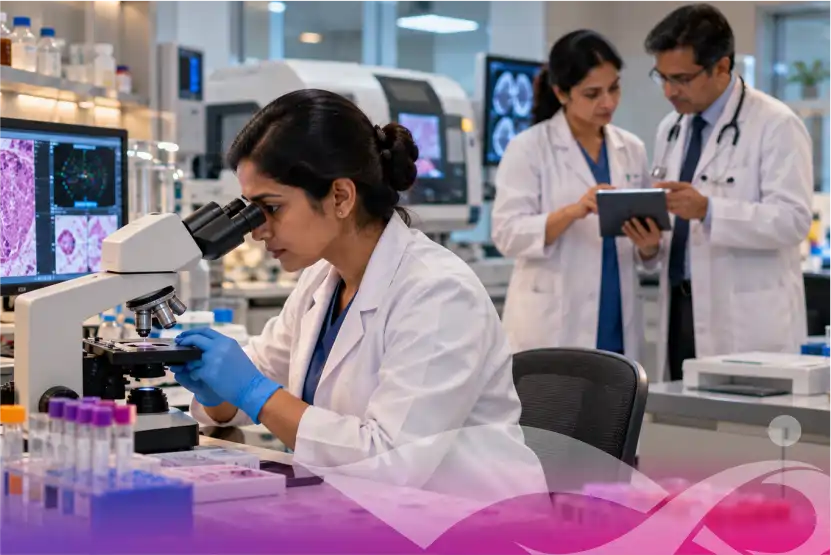
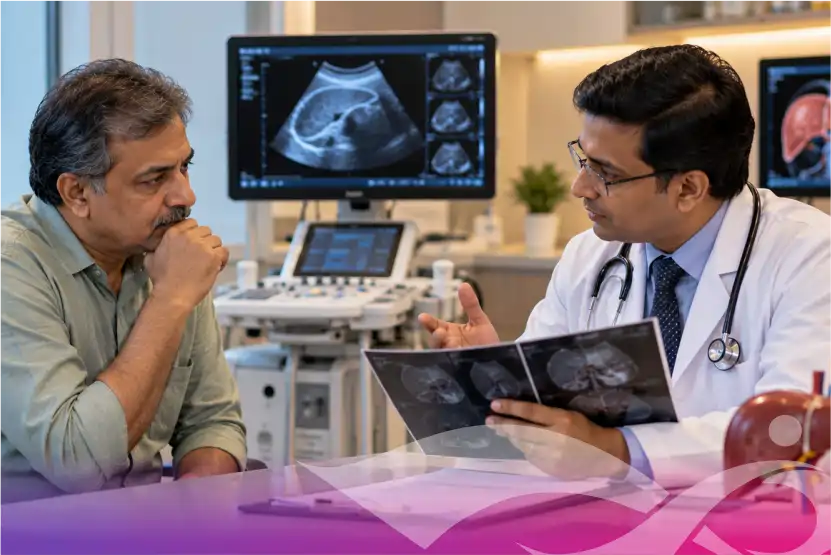
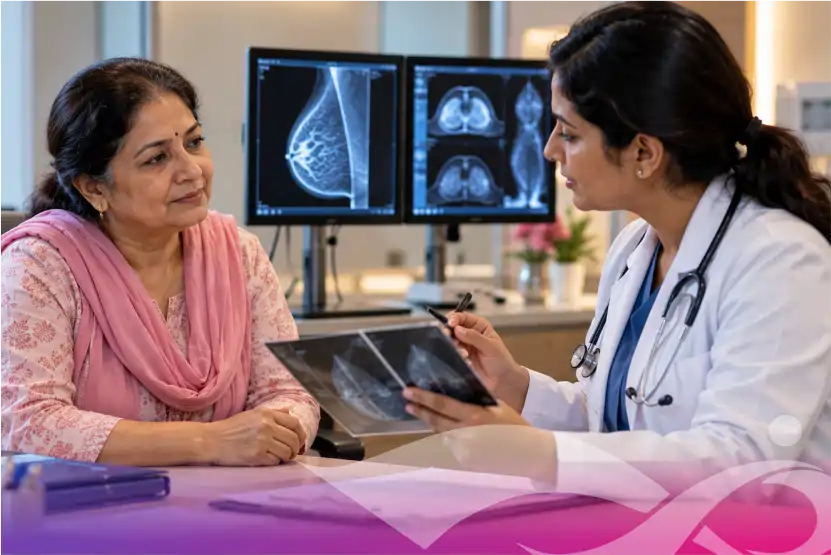
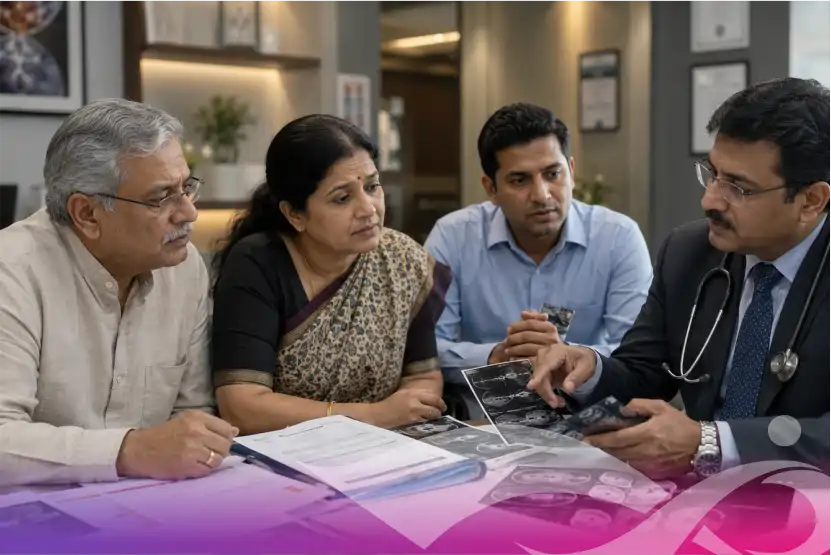
Pathology slides from the original biopsy are physically reviewed, not the report but the actual slides, by a pathologist with specific expertise in the relevant tumour type. Imaging is reviewed by a radiologist who looks at the scans themselves rather than reading a summary of what someone else saw. The full clinical picture is assembled and reviewed by the consulting oncologist in the context of the patient's overall health, comorbidities, and treatment history.
This is a different process from an informal consultation where a second doctor reads a report someone else produced. It is a rigorous independent assessment that may confirm the original findings or identify something that changes them.
The Tumor Board Approach — Why It Matters
A tumour board second opinion IOCI refers to a multidisciplinary case review where specialists from multiple oncology disciplines (medical oncology, surgical oncology, radiation oncology, pathology, and radiology) assess a patient's case together before a recommendation is made.
This is the highest standard of cancer treatment planning. No single specialist, however experienced, has full command of every discipline relevant to a complex cancer case. A surgical oncologist and a radiation oncologist looking at the same case may identify different approaches. A pathologist in the room can answer questions about tissue findings that are otherwise translated through a report. A radiologist can clarify imaging interpretation directly rather than through a written summary.
The tumour board second opinion IOCI process produces treatment recommendations that reflect the collective judgement of multiple specialists, which are systematically better than the recommendation of any single physician working in isolation. Major cancer centers globally operate this way as standard. It is not a premium service. It is how serious oncology institutions handle complex cases.
Online Second Opinion — Removing the Geography Barrier
Online cancer second opinions in India have made specialist reviews accessible to patients across the country who cannot travel to major cancer centers.
Medical records, pathology reports, biopsy slides digitised for remote review, imaging files, and clinical history can be submitted digitally. The review happens with the same rigour as an in-person consultation. The recommendation comes back with the same specificity.
For patients in smaller cities or towns where oncology expertise is limited, online cancer A second opinion removes what was previously a genuine barrier. Expert review of a diagnosis or treatment plan no longer requires the patient to be physically present in a city with a major cancer centre.
Why IOCI
At IOCI, a cancer second opinion in India is a structured process, not an informal additional consultation. Pathology review, imaging review, and clinical assessment are conducted independently before the case goes to the multidisciplinary team.
The tumour board's second opinion, IOCI, brings medical oncology, surgical oncology, radiation oncology, pathology, and radiology into the same review. Every recommendation that comes out of that process reflects multiple specialist perspectives rather than one.
Online cancer second opinions through IOCI are available for patients who cannot travel. Records are reviewed with the same thoroughness as in person cases. Recommendations are specific, documented, and explained directly to the patient and family.
A second opinion cancer hospital that does this properly does not just offer reassurance. It offers the genuine possibility that something important gets caught or changed before treatment begins on the wrong path. Patients might think about going to a specialised oncology centre with experts from many different fields.