





31 March 2026
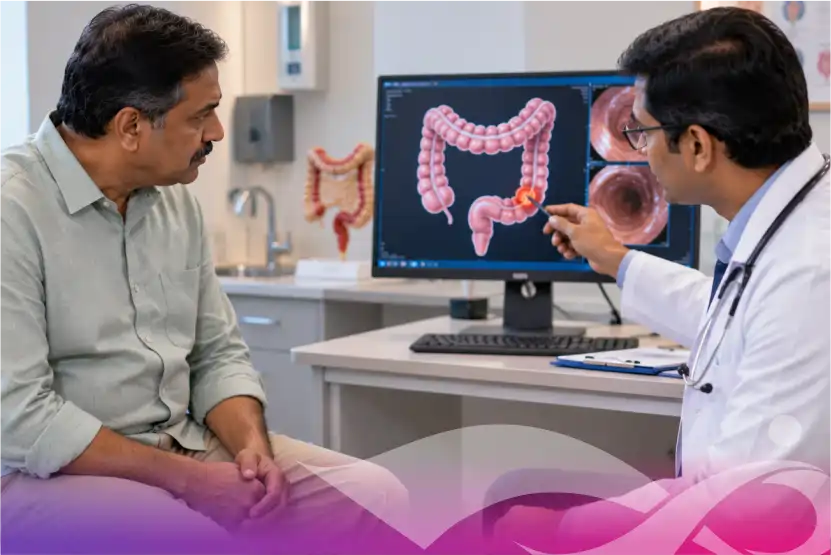
Nobody expects a colorectal cancer diagnosis. One day life is normal, and the next you are sitting in a doctor's office trying to absorb information that does not quite feel real yet. Somewhere in those early conversations, you will hear the term 'chemotherapy for colorectal cancer', and if you are like most people, it will bring up a mix of fear and confusion.
What is chemotherapy?
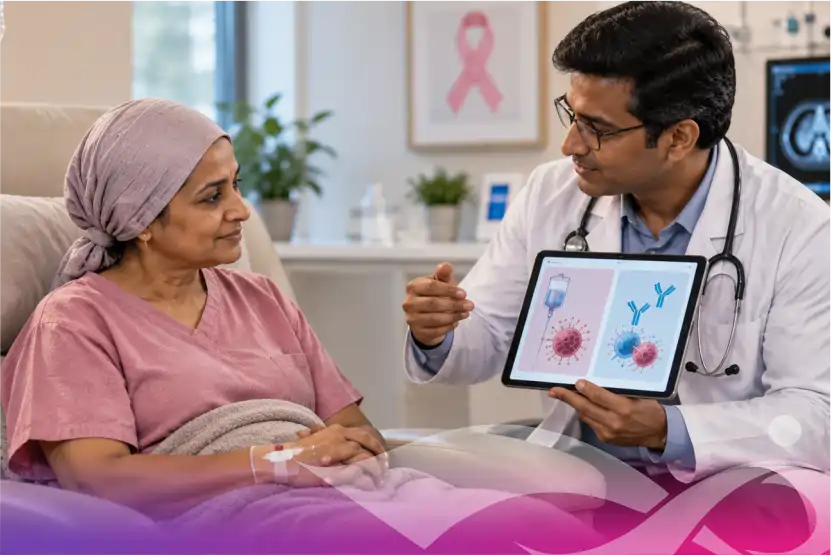
Think of chemotherapy as medicine that works from the inside out. The drugs enter your bloodstream and travel everywhere, which is exactly the point, because cancer does not always stay in one place. Cancer cells have one habit that works against them: they divide constantly and rapidly. Chemotherapy treatment India targets that habit. It goes after fast-dividing cells and stops them from multiplying. The reason side effects happen is because a handful of healthy cells, like the ones behind hair growth or blood production, also divide quickly and sometimes get caught in the crossfire.
Treatment of Colorectal Cancer
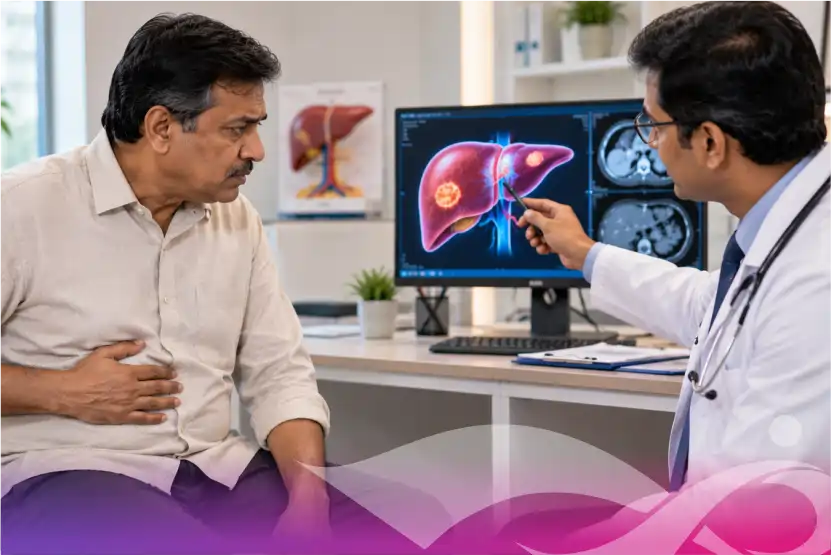
Colon cancer chemo treatment does not follow a single script. How it is used depends entirely on where the cancer is and what the patient needs at that moment. When a tumor is large, chemo is sometimes given first to shrink it down before surgery making the surgeon's job cleaner and more effective. After surgery, it helps finish what the operation started, targeting leftover cells that are far too small to see but still capable of causing problems down the line. In cases where cancer has already spread to other organs, chemo shifts its role. It becomes less about curing and more about controlling and slowing the disease, managing pain, and protecting quality of life for as long as possible.
Doctor Recommendation
Chemotherapy is not automatically given to everyone with colorectal cancer. The oncologist looks at the full picture of the cancer stage, the patient's age, overall health, and how aggressively the disease is behaving. Stage II and III patients are commonly given chemo after surgery to reduce the chances of the cancer returning. Stage IV patients often receive it as an ongoing treatment to keep the disease in check. Sometimes it comes before surgery to shrink a stubborn tumour that is called 'neoadjuvant therapy'. When it follows surgery, it goes by the name 'adjuvant therapy'. The plan is always personal. No oncologist treats two patients identically because no two cases are identical.
Side Effects
This is the part people worry about most, and it deserves an honest answer. Yes, side effects happen. Fatigue that sleep cannot fix, nausea, appetite loss, mouth sores, and hair thinning are among the most frequently reported. Because chemo dips immunity, the body also becomes more open to infections during active treatment cycles. What most people do not hear enough is that these effects are mostly temporary. They ease between cycles and gradually improve after treatment ends. Doctors watch closely throughout and offer real support with medications, dietary guidance, and regular check-ins to help patients stay as comfortable as possible. A lot of people going through it manage to keep up with parts of their normal routine.
Conclusion
Chemotherapy is genuinely one of the most powerful tools available against colorectal cancer. It is not a walk in the park, but it is also far more manageable than most people fear going in. Understanding chemotherapy for colorectal cancer before treatment begins makes the whole process feel less like something happening to you and more like something you are actively part of. If Top Chemotherapy Centres India is on the table for you or someone you love, ask questions, stay informed, and lean on your medical team every step of the way.