




26 September 2026
Radiation therapy is part of the treatment plan for many cancer patients, sometimes the main course, sometimes paired with surgery and chemotherapy. Cancer radiation therapy in India means using focused high-energy beams to kill cancer cells and trying to spare any healthy tissue that might be nearby. Understanding what really goes on with radiotherapy treatment in India, what it’s providing and what side effects tend to come along with it can make the whole process seem a lot less unfamiliar going in.
What Radiation Therapy Actually Is
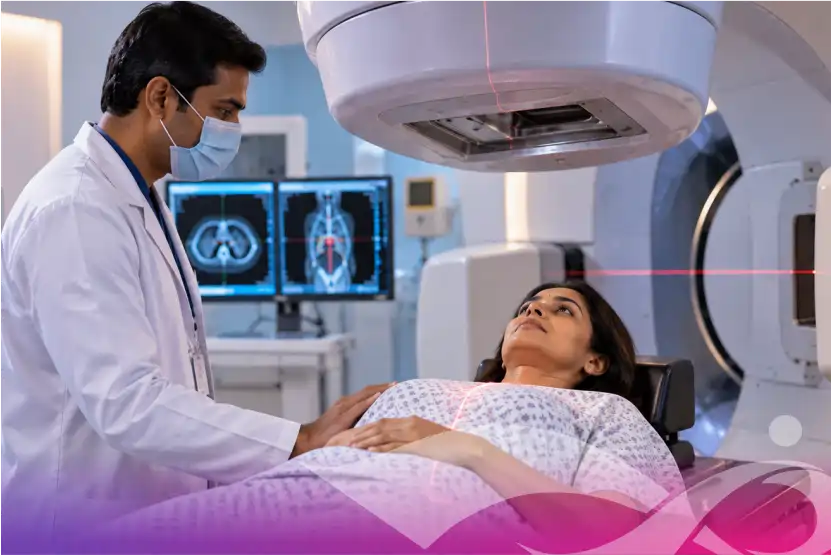
Radiation therapy damages the DNA inside cancer cells, which stops them from growing and dividing the way they normally would. It can be delivered externally, using a machine that directs beams at the tumour from outside the body, or internally, through a technique called brachytherapy, where a radioactive source gets placed close to or right inside the tumour itself. The approach that is used depends on the cancer type, its location, and how it fits into the broader treatment plan already in motion.
When Does Radiation Therapy Actually Get Used?
Radiation therapy benefits patients in a fairly wide range of situations. It may be used:
-
As the primary treatment for certain localised cancers
-
Before surgery, to shrink a tumour and make removal a bit easier
-
After surgery, to clear out any remaining cancer cells and lower the chance of recurrence
-
Alongside chemotherapy, for cancer types where the combination tends to improve outcomes
-
For symptom relief in advanced cancer, easing pain or other complications caused by the tumour's growth
The role of radiation depends on the specific diagnosis the doctor is considering. There's no standard approach that applies in every case.
What Types of Radiation Therapy Are Used
Radiotherapy treatment in India includes several techniques, and the choice typically depends on the tumour's location and characteristics:
-
External beam radiation therapy, the most commonly used form
-
Intensity-modulated radiation therapy (IMRT), which shapes the beams to closely match the tumour's contours
-
Stereotactic radiosurgery, used for precise, high-dose treatment of smaller tumours
-
Brachytherapy, involving internal placement of a radioactive source
Each of these carries its own strengths depending on where the cancer sits and how precisely it needs to be targeted.
What Radiotherapy Side Effects Should You Actually Expect
Radiotherapy side effects vary quite a bit depending on the area being treated and the dosage involved. The common ones include fatigue, skin irritation near the treated site, and effects specific to that particular body part, such as difficulty swallowing with head and neck radiation, for instance, or digestive changes with abdominal radiation. Most of these effects are manageable and tend to ease off once treatment is finished, though the care team monitors them throughout and addresses any issues that arise.
How Doctors Decide the Right Treatment
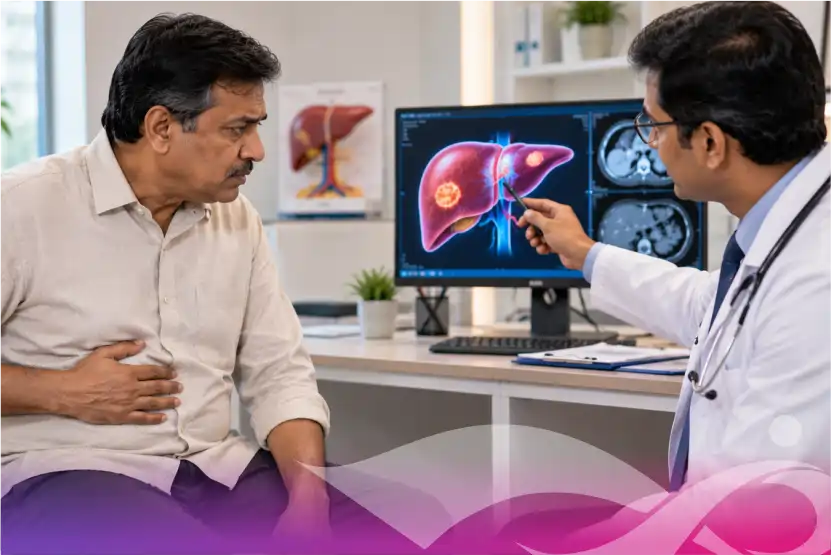
Whether radiation gets recommended, and in what form, depends on the tumour's size, location, and stage, along with whether it's being paired with surgery or chemotherapy. A radiation oncologist works closely with the rest of the oncology team to work out dosage, technique, and timing based on that patient's specific situation none of this gets decided in isolation from the bigger picture.
When You Should Consult a Radiation Oncologist
It's worth talking to a radiation oncologist in India if your treatment plan already includes radiation, might include it, or you simply want to understand whether it's a suitable option alongside surgery or chemotherapy for your particular diagnosis. Questions about side effects and what to actually expect during treatment are also best taken straight to a radiation oncology specialist rather than guessed at beforehand.
Radiation Therapy Care at IOCI
IOCI provides radiation therapy for cancer in India as part of an integrated oncology approach that brings together medical oncology, surgical oncology, and diagnostic imaging. Treatment planning goes through IOCI's International Tumour Board, where specialists look at whether radiation fits into a patient's broader treatment plan and how it should be sequenced alongside other treatments. Patients wanting a second opinion on an existing radiation therapy recommendation can also use IOCI's Second Opinion service.
Conclusion
Radiation therapy remains one of the most established tools in cancer treatment, offering precise, targeted results when it's planned and delivered carefully. Knowing what to expect from the technique and the possible side effects can make the whole process feel more manageable. If radiation therapy is part of your treatment discussion, IOCI's radiation oncologist in India, backed by its International Tumour Board, can walk you through exactly how it fits into your specific case.