



28 March 2026
Colorectal Cancer Treatment — What Patients Should Know
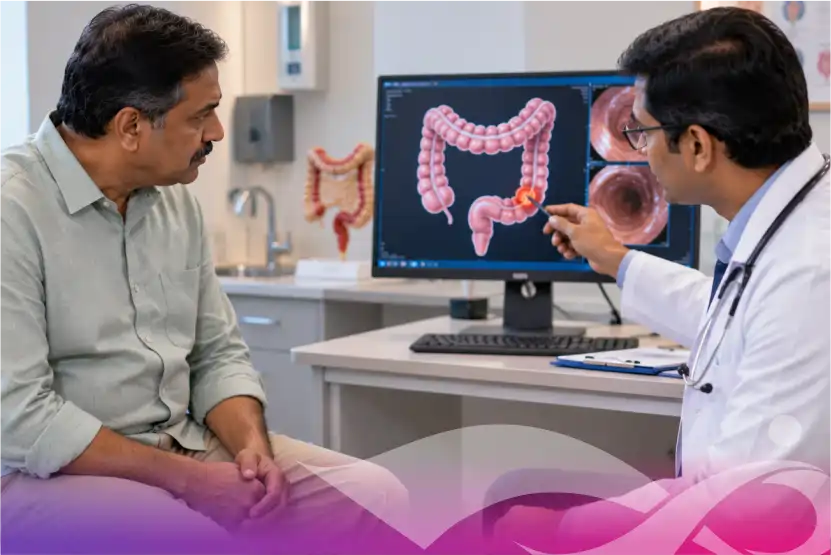
The diagnosis of colorectal cancer requires an emotional response, which people experience through their initial medical appointment. Medical professionals need time to explain information to patients, but most patients will remember only a small portion of what doctors share. This response is common. The next step requires developing treatment options knowledge together with treatment result expectations.
The Main Treatment Options
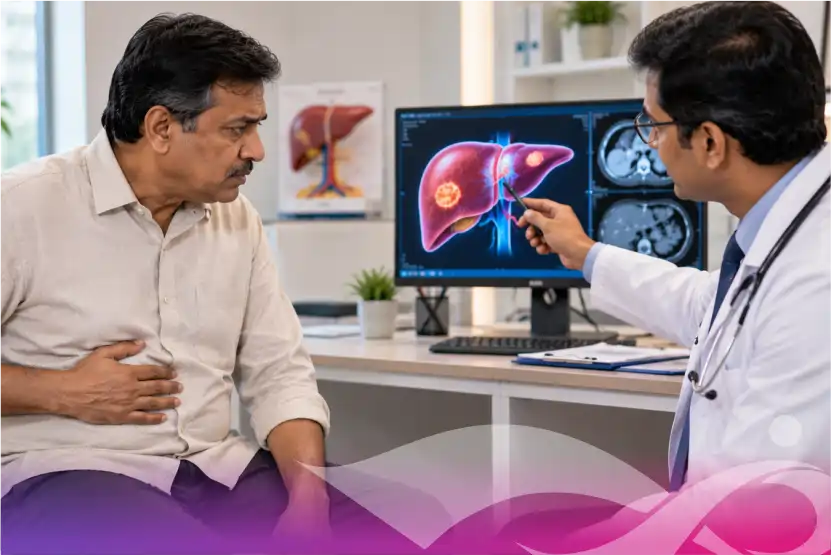
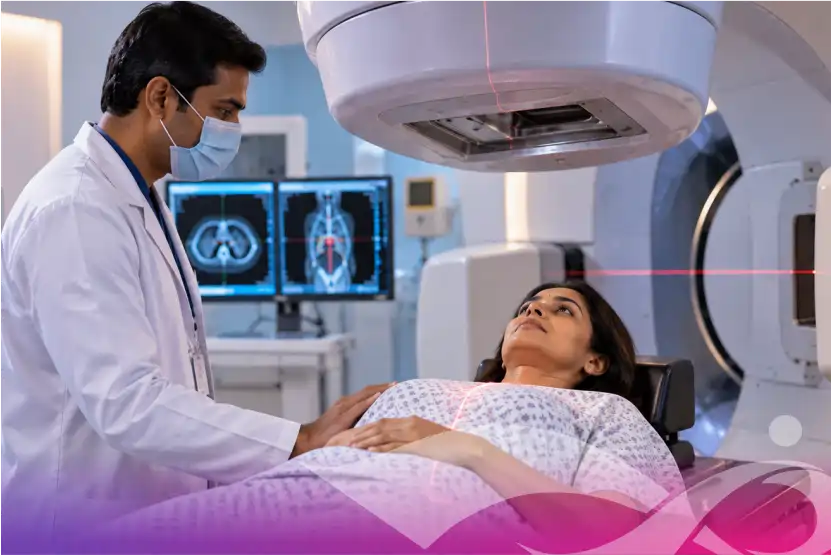
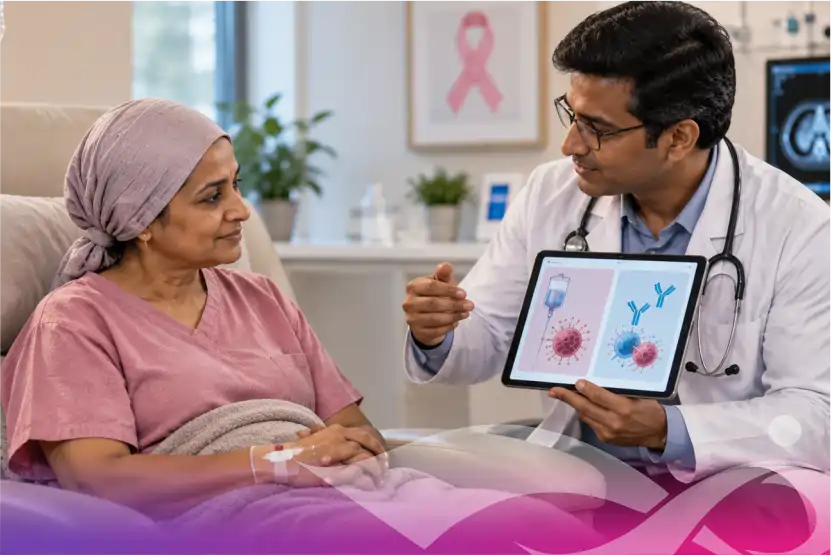
Surgery remains the primary approach. The surgeon removes the diseased part of the colon and rectum together with nearby healthy tissue. Early cancer detection allows surgery to act as an independent treatment. Advanced cases require treatment through multiple medical approaches. Chemotherapy uses drugs to kill cancer cells by targeting their specific functions. The treatment can be administered before surgery to decrease tumor size or after surgery to decrease the risk of cancer returning, or both treatments. The medical team observes all side effects, which include fatigue and nausea, because these effects need continuous management throughout the treatment period. Radiation therapy serves as the primary treatment method for patients with rectal cancer. The procedure uses high-energy radiation beams that target the tumor location through multiple treatment sessions that generally accompany surgical procedures or chemotherapy treatments. Targeted therapy and immunotherapy are newer approaches. The treatment method uses higher accuracy than typical chemotherapy because it identifies particular cancer cell proteins while using immune system activation to combat cancer. Not every patient qualifies, but those who do experience significant benefits.
How the Plan Gets Decided
Medical treatment requires a customised approach for each individual patient. The multidisciplinary team, which includes surgeons, oncologists, radiologists, and pathologists, conducts case assessments through a unified process. The cancer stage determines most treatment decisions, while doctors consider both the patient’s age and health and treatment preferences. Patients should ask questions and be part of that conversation.
What the Situation Looks Like in India
Colorectal Cancer in India has been rising steadily, driven largely by shifts in diet, reduced physical activity, and changing lifestyles in urban populations. Bowel Cancer Statistics India points to a consistent upward trend that has pushed hospitals and institutions to expand their oncology capabilities. Cancer prevalence India has led to serious investment in cancer care infrastructure over the past decade. That investment is visible in what leading hospitals now offer. Top Cancer Hospitals in India in cities like Mumbai, Delhi, Chennai, Hyderabad, and Bengaluru provide robotic surgery, advanced chemotherapy protocols, precision radiation, and molecular testing at costs that remain far more accessible than comparable care abroad. The quality at the better institutions is genuinely strong. The gap that remains is outside major cities, where access to screening and specialist care is still limited. Too many patients across India still arrive at hospitals at an advanced stage, not because treatment was unavailable, but because early signs were missed or ignored.
Recovery Takes Time
Finishing treatment is not the end of the process. Bowel function may change after surgery. Fatigue from chemotherapy or radiation takes weeks or months to clear. Follow-up appointments, scans, blood tests, and colonoscopies are non-negotiable and should not be skipped just because a patient feels well. Diet, hydration, and gradual physical activity all support recovery. So does addressing the emotional side. Anxiety about recurrence is common, and talking to a counsellor or support group helps more than most people expect.
In Short
Colorectal cancer is serious, but it is manageable, especially when found early and treated properly. The options available today are better than they have ever been. Staying engaged with treatment, asking questions and taking recovery seriously makes a measurable difference in outcomes.