




29 July 2026
Introduction
Artificial intelligence has moved from a futuristic concept to an active part of cancer diagnosis in leading hospitals worldwide, including several centres in India. The question patients increasingly ask is whether AI can genuinely catch cancer earlier than a human doctor reviewing the same scan or sample. The honest answer is nuanced: AI is proving remarkably effective at spotting certain patterns earlier and more consistently than the human eye alone, but it works best as a powerful tool alongside experienced specialists, not as a replacement for them.
Overview
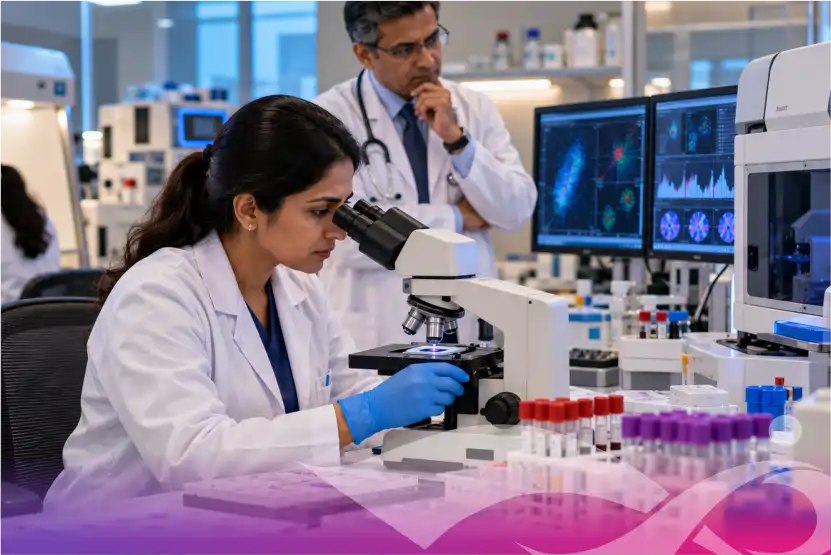
AI cancer diagnosis systems are trained on enormous datasets of medical images, pathology slides, and patient outcomes, learning to recognize subtle patterns that indicate early disease. These systems do not get tired, do not have an off day, and can process and compare a scan against millions of prior examples in seconds. What they cannot do is bring clinical judgement, contextual understanding of an individual patient's full situation, or the ability to have a conversation about what a result actually means for someone's life.
Benefits and Features of AI in Cancer Detection
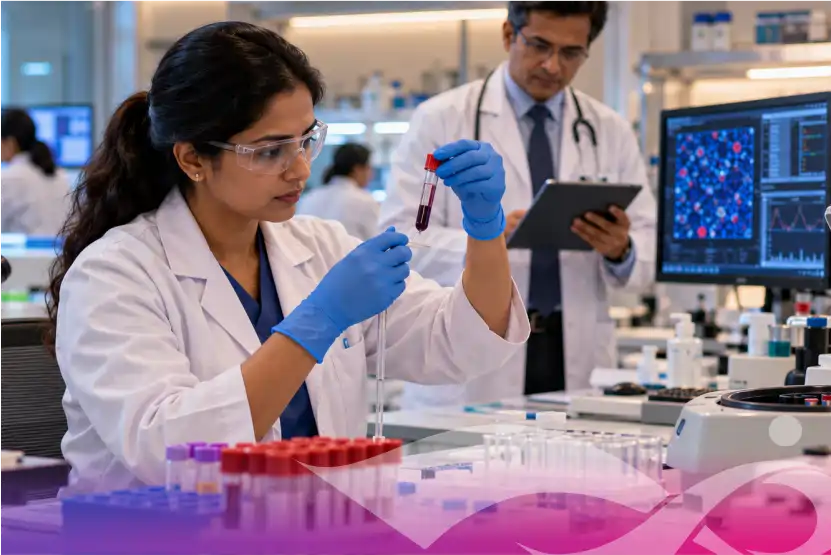
Faster image and pathology review AI can flag suspicious areas on a mammogram, CT scan, or pathology slide in a fraction of the time a manual review takes, helping prioritize urgent cases.
Higher consistency Human reviewers can have variable performance based on fatigue, caseload, or experience level. AI systems apply the same trained criteria consistently every single time.
Pattern recognition beyond human visual capacity Some AI systems can detect extremely subtle pixel-level patterns in imaging that are genuinely difficult for the human eye to consistently catch, particularly in very early-stage changes.
Support for precision oncology AI-assisted genomic and molecular analysis helps identify which specific treatments are most likely to work for an individual patient's particular cancer profile, a core part of modern precision oncology.
Reduced missed diagnoses Used as a second-check tool alongside radiologists and pathologists, AI has been shown in multiple studies to reduce the rate of missed early-stage cancers.
How AI Fits Into Treatment and Diagnosis
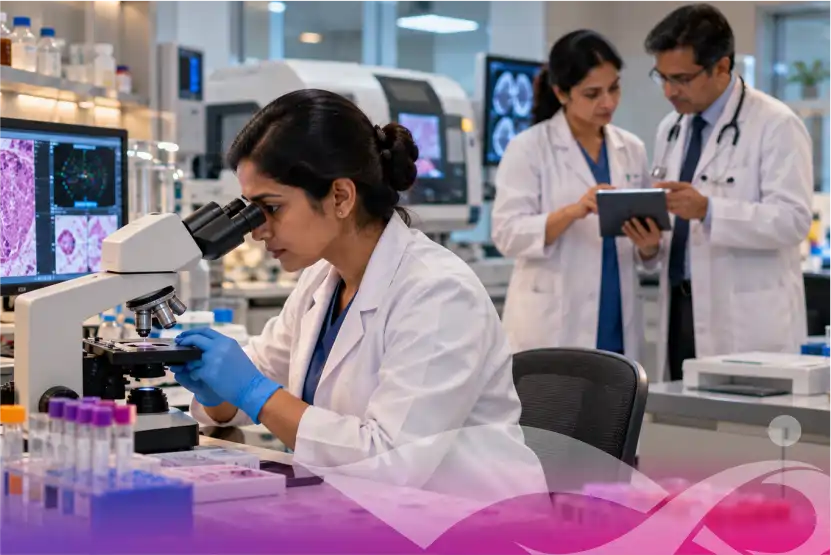
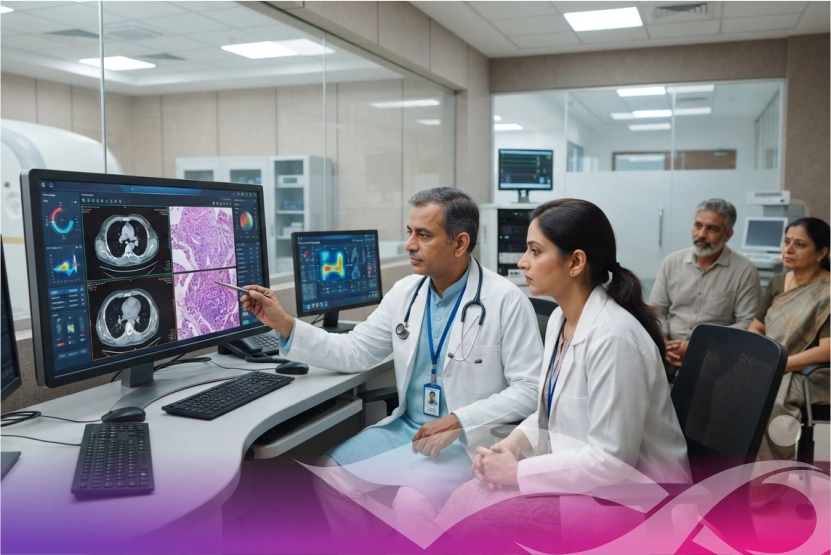
AI is currently used across several stages of the cancer journey: flagging suspicious imaging findings for radiologist review, assisting pathologists in reviewing biopsy slides, supporting genomic analysis to guide advanced cancer treatment decisions, and helping predict how an individual patient might respond to specific treatments based on their molecular profile. None of these uses remove the doctor from the process. They give the doctor better information to work with.
Why Choose a Hospital Using AI-Assisted Diagnosis
An oncology hospital in Indore or any major centre that has integrated AI-assisted tools into its diagnostic workflow offers patients an additional layer of accuracy on top of experienced specialist review. This combination, technology plus clinical expertise, consistently outperforms either one working in isolation. It is reasonable to ask any hospital you are considering whether and how they use these tools as part of your diagnostic process.
Tips and Expert Advice
-
Do not assume AI-assisted diagnosis replaces the need for an experienced specialist's judgement — ask how the two work together at your chosen centre
-
Ask whether AI tools are used specifically for your type of scan or pathology review
-
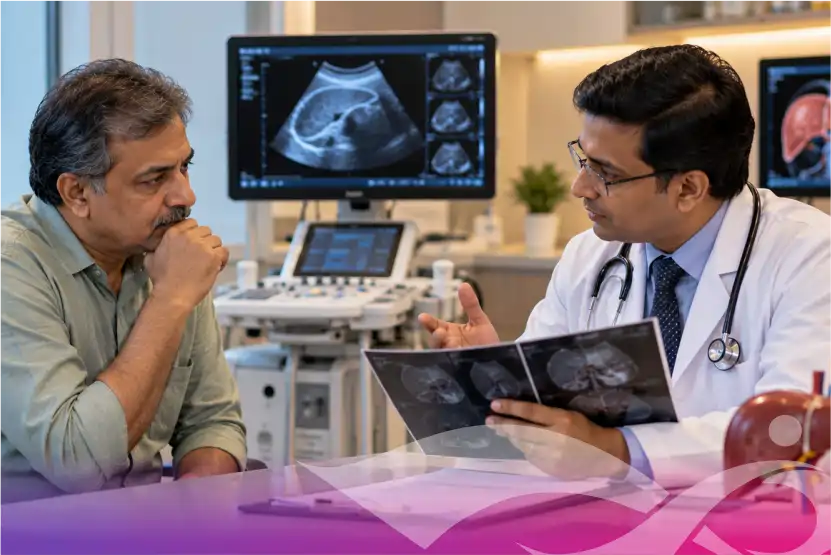
Understand that AI flags areas of concern; a human specialist still confirms and interprets the final diagnosis
-
Choose centres that combine experienced oncologists with modern diagnostic technology rather than relying on either alone
-
Keep in mind that precision oncology powered by AI-assisted analysis is most valuable for guiding treatment choice, not just detection
Frequently Asked Questions
Q: Does AI replace the need for a radiologist or pathologist? No. AI works as a supporting tool that flags areas of concern faster and more consistently. A trained specialist still confirms and interprets every result.
Q: Is AI-assisted diagnosis available widely in India? It is increasingly available at major hospitals and cancer centres, including those offering precision oncology services, though availability still varies by location and facility.
Q: Can AI diagnose all types of cancer equally well? No, its effectiveness varies by cancer type and the specific imaging or pathology data it has been trained on. It performs particularly well for certain imaging-based cancers.
Q: Does using AI in diagnosis increase the cost of treatment? Not significantly in most cases. AI tools are generally integrated into existing diagnostic workflows rather than billed as a separate major expense.
Q: How does AI contribute to precision oncology specifically? It helps analyse genomic and molecular data faster, identifying which treatments are most likely to work for a patient's specific cancer profile, supporting more personalised treatment decisions.
Conclusion
AI is genuinely changing how early certain cancers can be caught, working as a tireless, highly consistent second set of eyes alongside experienced doctors. It is not replacing specialists; it is making them more accurate and efficient. The most effective cancer detection today comes from this combination: advanced technology supporting clinical expertise, not one substituting for the other. When choosing where to go for diagnosis or treatment, ask how a centre integrates these tools into the care you will actually receive.
Experience the combination of advanced technology and expert clinical care. Connect with IOCI India's oncology hospital in Indore to learn more about AI-assisted cancer diagnosis.