





29 March 2026
Colorectal Cancer Treatment — What You Need to Know
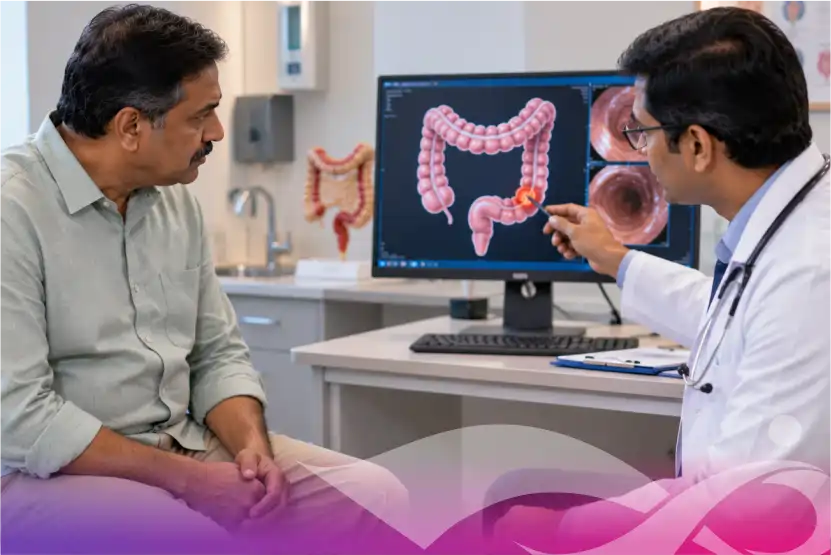
A colorectal cancer diagnosis is hard to absorb. Most people leave that first appointment in a daze, having retained almost nothing the doctor said after that word came up. That reaction is completely normal. What helps is getting practical. Understanding what treatment actually involves what the options are, how decisions get made, what recovery looks like gives people something concrete to hold onto.
Surgery
Surgery is the starting point for most patients. The section of the colon or rectum containing the cancer is removed, along with a border of healthy tissue around it. That border matters and it reduces the chance of leaving cancer cells behind. Early-stage cancer sometimes needs nothing more than surgery. The tumor comes out, recovery happens, monitoring begins. When the disease is further along, surgery sits inside a bigger plan often with chemotherapy or radiation either side of it.
Chemotherapy
Chemo drugs go after cells that divide fast which is exactly what cancer cells do. The drugs can be given through a drip, in tablet form, or both. They may come before surgery to shrink the tumor down, after surgery to reduce the risk of it coming back, or in some cases both. Side effects are real fatigue, nausea, lowered immunity. They vary from person to person. The oncology team watches closely and adjusts when something is not working or the side effects are too much.
Radiation
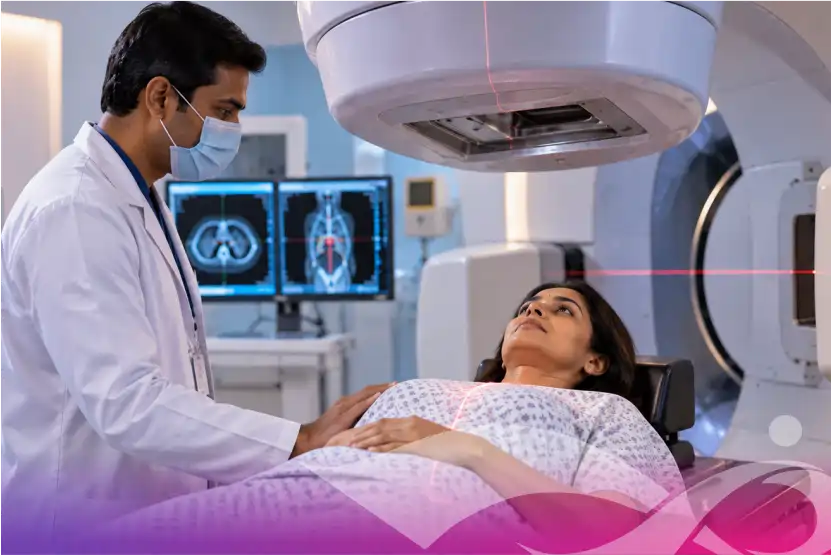
Radiation is used mainly when the cancer is in the rectum. It delivers targeted beams to the tumor site across several weeks. Most patients experience fatigue and some skin irritation during the course both settle once treatment wraps up. It is rarely used alone. It works alongside surgery, either before to shrink the tumor or after to lower recurrence risk.
Targeted Therapy and Immunotherapy
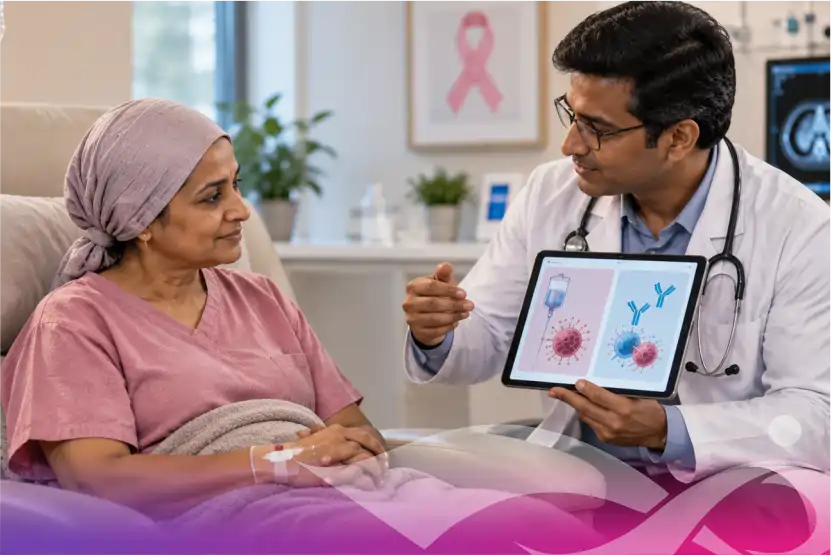
These are not for everyone, but for patients who qualify they have changed outcomes significantly. Targeted therapy blocks the specific proteins cancer cells depend on to grow. Immunotherapy works differently; it helps the immune system spot and attack cancer cells on its own. Both tend to come into play in advanced cases or where standard treatment has fallen short.
How Doctors Decide
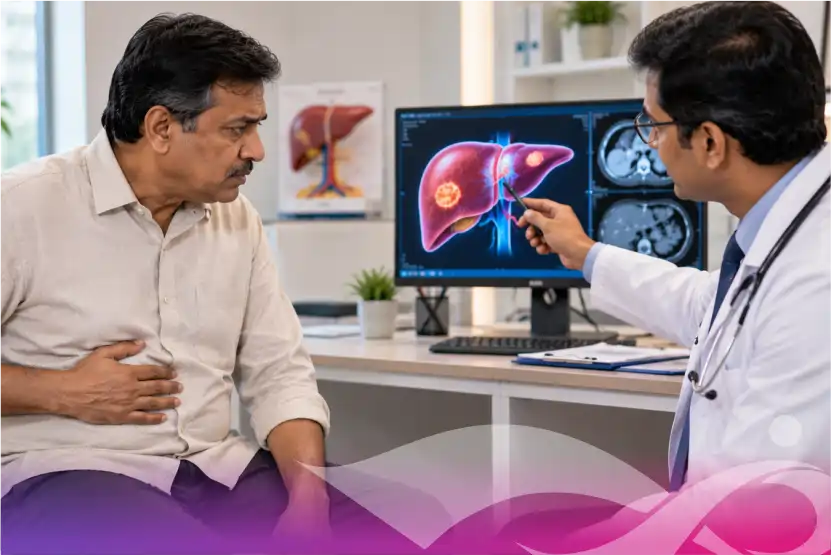
No single doctor sits down and picks the treatment alone. A team of surgeons, oncologists, radiologists, pathologists reviews each case together. The stage of cancer is the main driver. The patient's age, fitness, and personal priorities all feed in too. Patients should ask questions. Understanding what is being proposed and why is not optional; it is part of the process.
Treatment in India
Colorectal Cancer Treatment India has come a long way over the past ten to fifteen years. Hospitals have invested heavily in oncology as case numbers have climbed and that investment is visible in what is now available. The Best Colorectal Cancer Hospital In India in Mumbai, Delhi, Chennai, Hyderabad, Bengaluru offers robotic surgery, advanced chemotherapy, precision radiation, and molecular testing. The quality is strong. The cost is a fraction of what comparable treatment runs elsewhere, which is why patients come from within India and from abroad. Access outside big cities is still patchy. Many patients arrive late simply because early signs did not get the attention they deserved.
Conclusion
Treatment ending is a milestone, not a finish line. Bowel habits change after surgery. Fatigue lingers. Scheduled follow-ups, scans, blood tests, and colonoscopies are not optional. The emotional side is real too. Anxiety after treatment is common. Talking to someone helps more than most people expect. Colorectal Cancer Treatment and the Bowel Cancer Treatment Methods available today are better than they have ever been. Staying engaged with the process makes a measurable difference.